

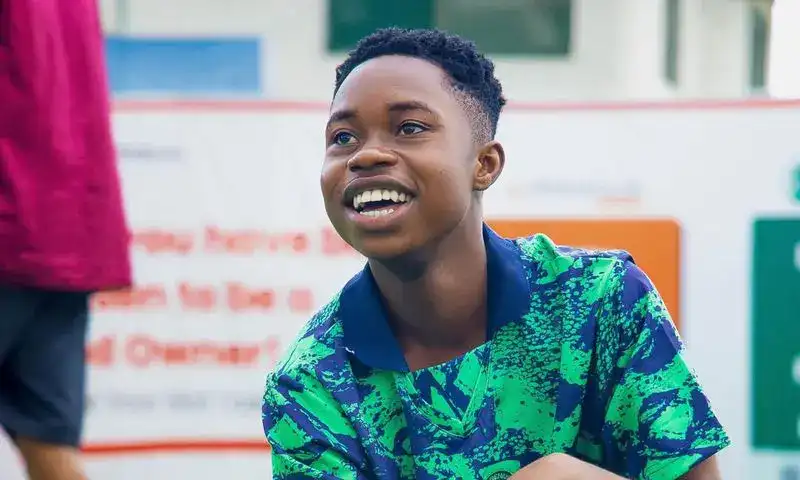
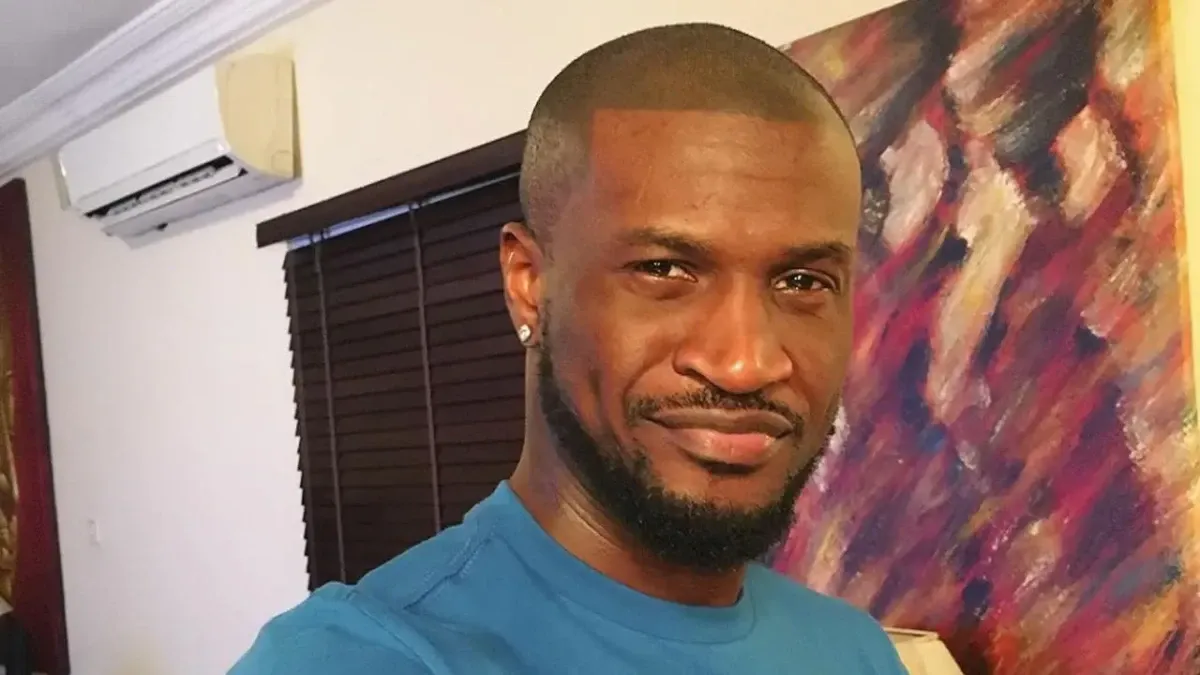
A Lagos Magistrate’s Court has granted bail to popular Nigerian TikTok personality Peller, bringing to an end a four day detention that sparked widespread social media debate about police conduct and the rights of content creators. The social media influencer, whose real identity has become synonymous with his online persona, was released on Tuesday after posting N500,000 bail on charges relating to the obstruction of police officers performing their official duties.
Peller’s legal troubles began on Friday when he was arrested following a heated confrontation with law enforcement officers in the upscale Lekki area of Lagos State. Video footage that quickly went viral showed the content creator visibly distressed and accusing police officers of harassment over his newly purchased vehicle, which bore tinted windows and lacked a visible plate number. In the clip viewed by millions across various social media platforms, Peller claimed officers physically manhandled him, pulling at his clothing and pointing a firearm at his head before insisting on his detention. His impassioned protestations that he had only just acquired the vehicle and had not yet completed registration formalities appeared to fall on deaf ears.
After his initial arrest in Lekki, authorities transferred Peller to the Ikeja Police Station, where he remained in custody over the weekend. On Tuesday, he appeared before the magistrate alongside co-defendant Bello Oladipo to answer three separate counts. The charges laid against both men include obstruction of police officers in the discharge of their duties, conduct likely to cause a breach of the public peace, and conspiracy to commit a felony. Legal observers note that such charges carry potentially serious consequences under Nigerian law, though first time offenders in similar circumstances often receive more lenient treatment.
The incident has reignited longstanding tensions between Nigerian youth, particularly those in the digital content creation space, and law enforcement agencies. Many young Nigerians have voiced concerns about what they perceive as excessive police powers and a pattern of harassment targeting individuals who display visible signs of wealth or success. Content creators, who often showcase luxury lifestyles as part of their brand, have become particularly vocal about their experiences with police stops and demands for documentation or payment. Civil society groups have repeatedly called for reforms to police training and accountability mechanisms, though progress has been slow and uneven.
Peller has built a substantial following on TikTok and other platforms through his live streaming content and comedic sketches, making him one of the more recognizable faces in Nigeria’s burgeoning digital entertainment industry. His arrest generated immediate reaction from fellow content creators and fans, with many taking to social media to demand his release and question the appropriateness of his detention. Entertainment industry figures, including Tunde Perry, publicly raised alarms about his continued custody, amplifying pressure on authorities to resolve the matter swiftly. Such incidents highlight the complex relationship between new media personalities and traditional authority structures in a rapidly cing social landscape.
As Peller prepares to meet his bail conditions and await further court proceedings, questions remain about how the case will ultimately be resolved and what precedent it might set. Legal experts suggest that prosecutors will need to demonstrate clear evidence of willful obstruction rather than simple misunderstanding or miscommunication for the charges to succeed. The outcome could have implications not only for Peller’s career but also for how similar encounters between police and citizens, particularly young people in the entertainment sector, are handled in future. Whether this case becomes a catalyst for broader discussions about police reform and citizens’ rights, or simply fades into the background noise of Nigeria’s busy news cycle, remains to be seen. What is certain is that the intersection of social media influence, youth culture, and law enforcement will continue to generate friction and demand thoughtful resolution in the months and years ahead.
You May Like










Leave a comment