

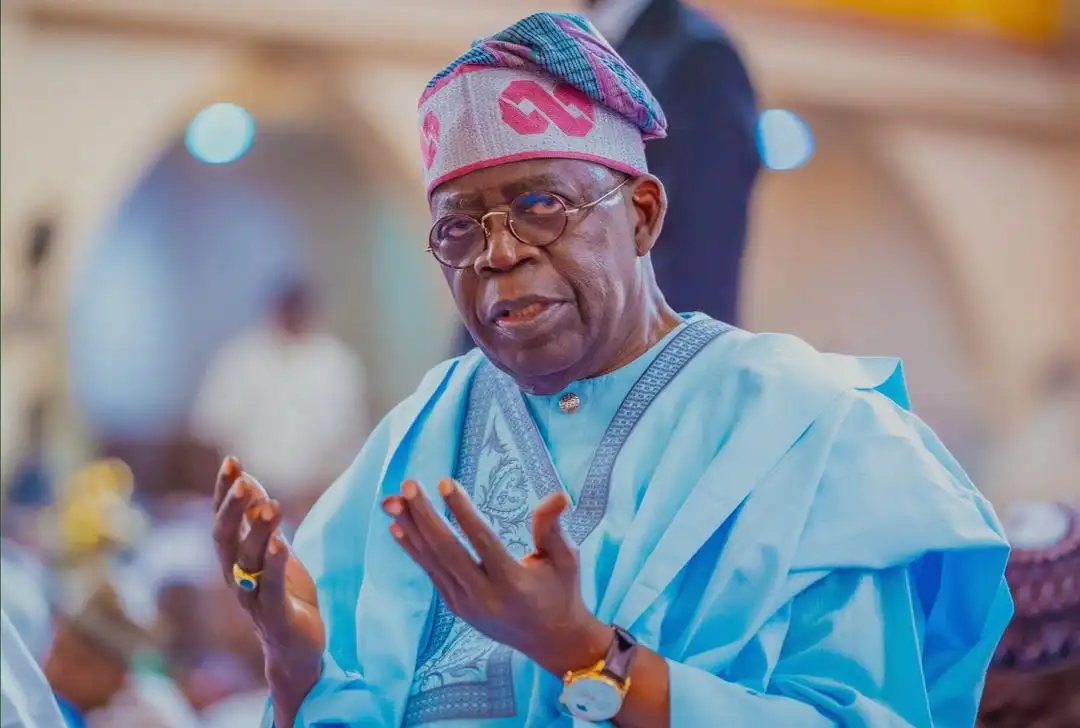
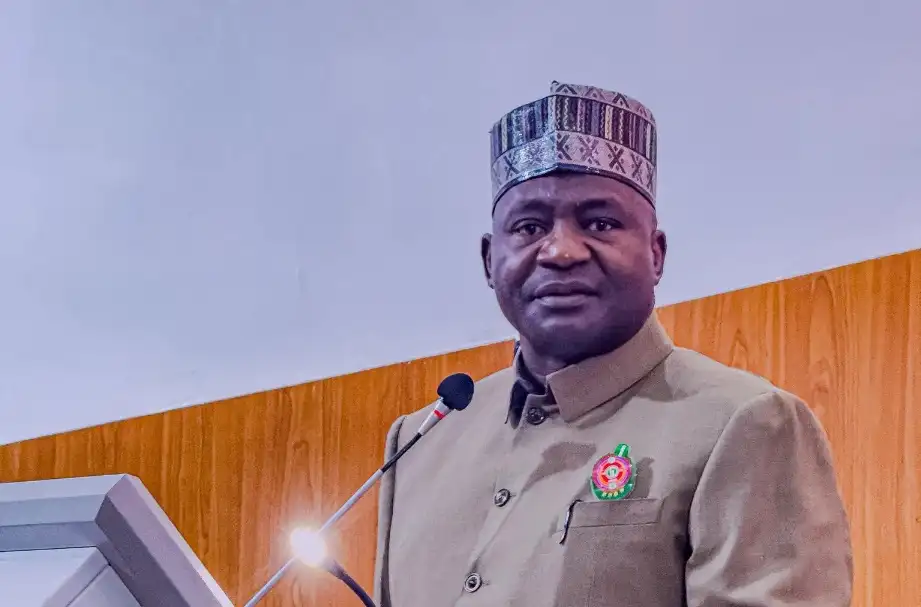
President Bola Tinubu’s three year tenure has sparked sharply contrasting assessments from Nigerian officials and economic analysts, with a senior diplomat praising his leadership while economists warn that his reform agenda has pushed millions of citizens deeper into poverty despite strengthening government revenues. Hajia Hansatu Zannah, a member of the Governing Council of the African Union Agenda 2063, this week delivered glowing remarks about the president’s record, highlighting what she described as transformative policies. Her comments arrive at a moment when Nigeria’s economic trajectory remains fiercely contested among policy experts and ordinary citizens struggling with the cost of living.
Zannah’s endorsement reflects the view held by many within government circles that Tinubu’s bold economic restructuring has positioned Nigeria for longer term fiscal ility and growth. Supporters point to improvements in government revenue collection, efforts to reduce fuel subsis that had drained public coffers for decades, and attempts to unify the country’s multiple exce rates. These measures, defenders argue, were painful but necessary corrections to years of unsustainable economic management that left Nigeria vulnerable to external shocks and limited its ability to invest in critical infrastructure and social programs.

Economists outside the administration, however, paint a far more sobering picture of the reform era’s human toll. The removal of fuel subsis and currency devaluation, while potentially beneficial in macroeconomic terms, triggered dramatic increases in transportation costs, food prices, and basic goods. Inflation has eroded purchasing power for ordinary Nigerians at an alarming rate. Middle class families report cutting meals and pulling children from school. Small businesses have shuttered under the weight of higher operating costs and reduced consumer spending.
Independent economic analysts note that while government finances may show improvement on paper, the social contract between state and citizen has frayed considerably. Poverty rates have climbed as wages fail to keep pace with inflation, and unemployment remains stubbornly high despite promises that reforms would unlock investment and job creation. Healthcare and education systems, already strained before the reforms, now face unprecedented pressure as families can no longer afford basic services. Critics argue that any economic restructuring that fails to protect the most vulnerable cannot be considered successful, regardless of its impact on government balance sheets.
Nigeria’s experience reflects a broader tension visible across developing economies attempting rapid fiscal reforms. International financial institutions often encourage governments to eliminate subsis, float currencies, and embrace market discipline. Yet the immediate consequences of such policies frequently fall hardest on populations least equipped to absorb sudden economic shocks. Balancing long term structural improvement against short term human suffering remains one of the most difficult challenges in economic policymaking, particularly in countries where social safety nets remain weak or nonexistent.
Looking ahead, Tinubu faces mounting pressure to demonstrate that his reforms will eventually deliver broad based prosperity rather than simply healthier government accounts. Opposition voices grow louder as the next election cycle approaches, and public patience with austerity measures shows clear signs of exhaustion. Whether history judges these three years as necessary medicine or reckless policy will likely depend on what comes next: whether the foundation of fiscal discipline translates into investments that improve ordinary lives, or whether the gap between official praise and popular experience continues to widen. For millions of Nigerians watching their savings evaporate and opportunities shrink, that answer cannot come soon enough.
















Leave a comment