

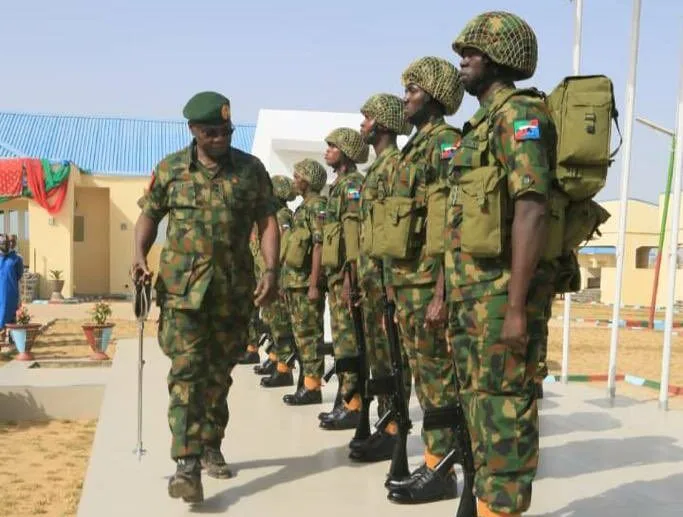
The Nigerian Army has issued an urgent appeal to citizens to refrain from posting demoralizing content on social media that undermines the morale of troops deployed across the country’s multiple conflict zones. Colonel Appolonia Anele, the Acting Director of Army Public Relations, made the impassioned plea during a meeting with executive members of the Defence Correspondents Association of Nigeria in Abuja on Wednesday. Her remarks come at a critical juncture as military personnel continue to face deadly threats while conducting rescue operations and counterinsurgency campaigns nationwide.
Colonel Anele emphasized that solrs operating in various theatres of conflict deserve public encouragement and appreciation rather than criticism rooted in misinformation and false narratives. She cited the recent rescue operation in Oyo State involving abducted students and teachers as a stark example of the sacrifices being made. During that operation, an Army officer, a solr, and a police officer were ed in the line of duty. The successful mission, which saved innocent lives, was nonetheless followed by a wave of social media posts claiming the military was ineffective or doing nothing to address security challenges.
The pain in Colonel Anele’s words was evident as she described the disconnect between battlefield realities and public perception. After personnel have made the ultimate sacrifice, she explained, it becomes profoundly discouraging when Nigerians turn to social media platforms to spread narratives that diminish or dismiss their efforts. Such commentary not only disrespects the fallen but also affects the morale of active duty personnel who continue to risk everything to maintain security across the nation. The psychological toll of this public criticism, she suggested, compounds the already significant dangers troops face daily.
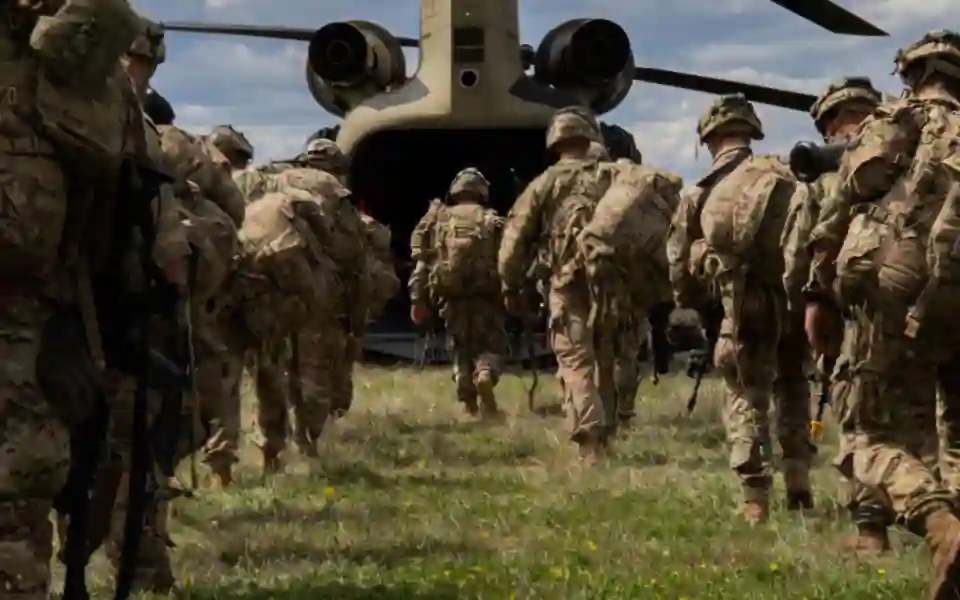
Military morale has long been recognized as a crucial factor in operational effectiveness, particularly in prolonged conflicts where personnel face sustained danger and hardship. When troops perceive a lack of public support or feel their sacrifices are unrecognized or misrepresented, it can erode their commitment and resilience. Security analysts have noted that Nigeria’s armed forces are stretched thin across multiple fronts, including counterinsurgency operations in the Northeast, banditry in the Northwest, kidnapping in various states, and communal conflicts in the Middle Belt. Personnel deployed to these zones operate under extreme stress, often separated from families for extended periods while facing well armed adversaries.
The broader context of this appeal reflects growing tensions between military institutions and segments of the Nigerian public who have become increasingly vocal about security concerns on social media. While freedom of expression remains a democratic cornerstone, military leaders argue there is a distinction between legitimate criticism and the spread of false information that deliberately undermines national security efforts. Some commentators have acknowledged the difficult balance, noting that while accountability and transparency are essential, there must also be recognition of genuine sacrifices made by security personnel. Others maintain that robust public discourse, including criticism of security failures, is necessary to drive improvements and hold institutions accountable.
Looking ahead, the military’s appeal raises important questions about civil and military relations in Nigeria’s democracy and how national security institutions communicate their achievements and challenges to an increasingly skeptical public. As security threats continue to evolve and social media platforms amplify every voice, both the armed forces and citizens will need to find common ground that balances accountability with support for those on the front lines. Whether this appeal will translate into ced public attitudes remains to be seen, but it underscores the urgent need for more effective communication strategies that can bridge the growing gap between military operations and public understanding. The coming months will reveal whether Nigerians heed this call for more measured and informed discourse about the sacrifices being made in their name.
You May Like















Leave a comment