

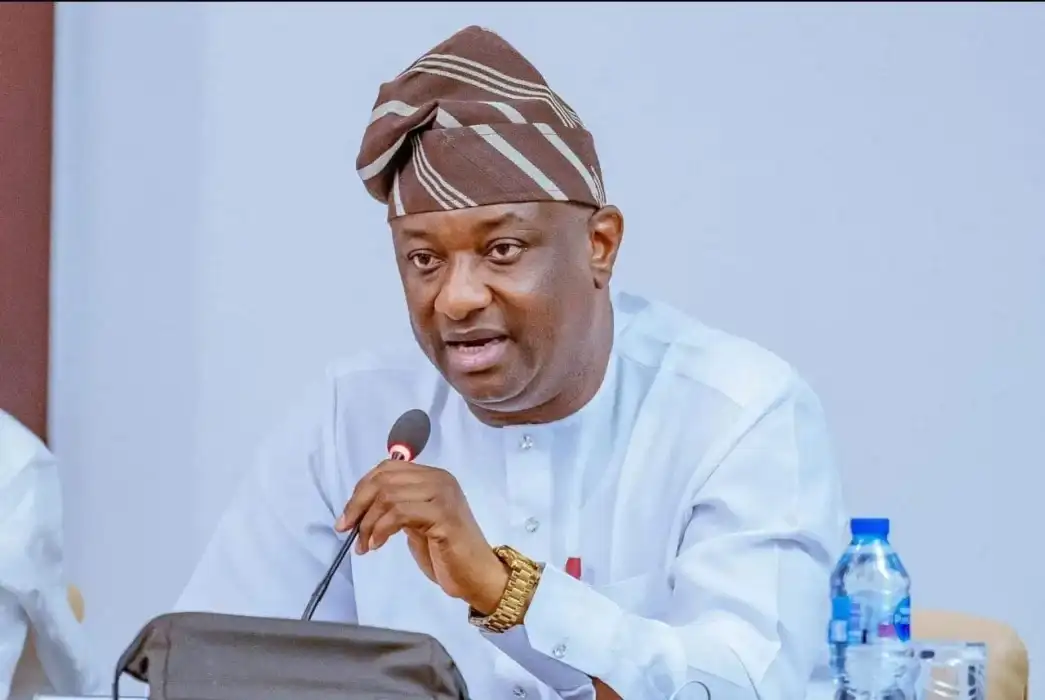
Nigeria’s Minister of Aviation and Aerospace Development, Festus Keyamo, has issued a pointed warning to former President Goodluck Jonathan, urging him to publicly reject what he described as a politically dubious attempt to draft the former leader back into presidential politics. Keyamo’s intervention comes amid swirling speculation that an unregistered political group has been promoting Jonathan as a potential presidential candidate, a development that has raised questions about both the legitimacy of the effort and the former president’s potential involvement.
In a strongly worded statement posted on his social media account, Keyamo characterized the situation as a “bizarre comedy” orchestrated by individuals lacking credible political standing. He questioned how people who are not even recognized as registered political actors by the Independent National Electoral Commission could presume to offer a presidential ticket to a former head of state. The minister expressed particular concern that these actors, despite having once occupied positions of influence, were now dragging a respected statesman into what he termed “a charade that is certainly a journey to nowhere.” His remarks reflected broader anxieties within political circles about the manipulation of prominent figures for potentially dubious political purposes.
Keyamo’s critique extended beyond the questionable credentials of those promoting the ticket. He emphasized that Jonathan’s continued silence on the matter could have serious consequences for his reputation, both domestically and internationally. “For the sake of his global image, President Goodluck Jonathan must immediately issue a strong ‘No, thank you’ statement,” Keyamo insisted. Without such a clarification, the minister suggested, Nigerians might begin to revisit the circumstances that led to Jonathan’s historic defeat in the 2015 presidential election, when he became the first sitting Nigerian president to lose at the polls.
References to the 2015 campaign, which saw Jonathan characterized by opponents as “clueless” in managing the nation’s affairs, remain particularly sensitive. That electoral loss marked a watershed moment in Nigerian politics, demonstrating that peaceful transitions of power were possible in Africa’s most populous nation. Keyamo’s invocation of this painful chapter appears calculated to underscore the potential reputational risks Jonathan faces if he fails to distance himself from the current speculation. Political analysts suggest that any ambiguity surrounding his intentions could reopen old wounds and diminish the respect he has gradually rebuilt in the years since leaving office.
Jonathan’s silence thus far has only intensified speculation about his political intentions. Since leaving the presidency, he has maintained a relatively low profile domestically while engaging in diplomatic activities across the continent, including election observation missions. His reputation as a leader who graciously accepted electoral defeat has earned him international respect, making him a sought after figure for mediation and diplomatic efforts. Any perceived return to partisan politics could complicate this carefully cultivated elder statesman image, particularly if the vehicle for such a return lacks institutional credibility.
As Nigeria approaches another election cycle, the Jonathan speculation reflects broader uncertainties within the political landscape. Whether the former president will heed Keyamo’s call and issue a categorical rejection remains to be seen. His response, or continued silence, will likely shape not only his own political legacy but also influence calculations among political actors who continue to view him as a potentially valuable asset. For now, all eyes remain on Jonathan, waiting to see whether he will definitively close the door on what many view as an improbable and potentially damaging political comeback attempt.











Leave a comment