

The Lagos State Government has announced that it generated a total revenue of N2.6 trillion in 2025, representing a 16 percent increase from the N2.3 trillion recorded in 2024.
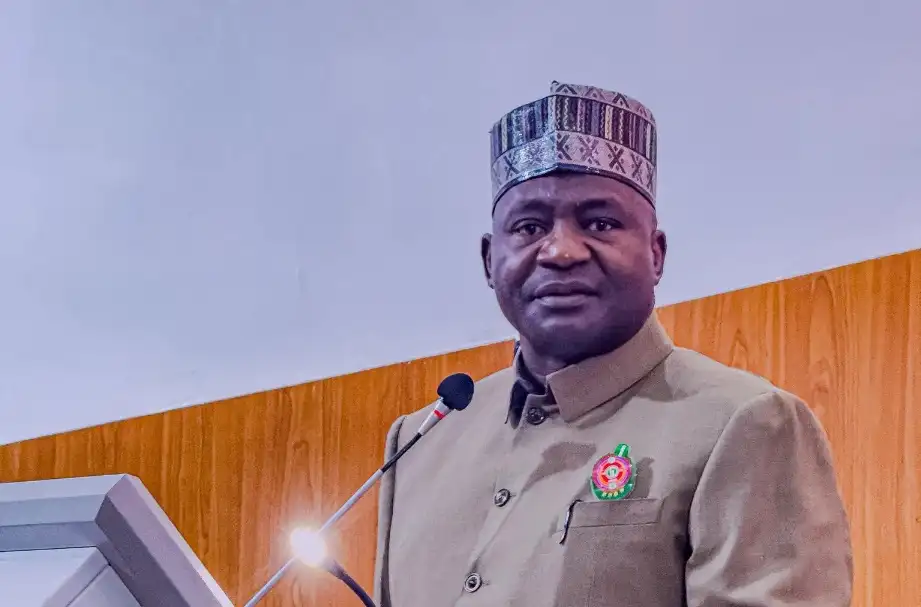
The Commissioner for Finance, Abayomi Oluyomi, disclosed the figures during a press briefing in Alausa, Ikeja, held to mark the seventh anniversary of the administration of Governor Babajide Sanwo Olu.

According to Oluyomi, the state’s internally generated revenue rose significantly from N1.58 trillion in 2024 to N1.87 trillion in 2025, reflecting an 18.5 percent increase.
He also revealed that tax revenue collection experienced remarkable growth over the past two years. Tax collections increased from N678.13 billion in 2023 to N1.04 trillion in 2024, representing a 54.2 percent rise and marking the first time the Lagos State Internal Revenue Service exceeded the N1 trillion benchmark.
The commissioner added that tax revenue further climbed to N1.44 trillion in 2025, indicating another 38 percent increase compared to the previous year.
Oluyomi attributed the improved revenue performance to reforms in tax administration and the expansion of digital payment systems across the state. He explained that Lagos upgraded several payment channels, including mobile payment systems, point of sale terminals, USSD services, WhatsApp integration, and online payment platforms to improve convenience and compliance for residents and businesses.
He further disclosed that Lagos fully migrated from a hybrid tax filing system to a fully electronic filing structure in 2023, with additional digital modules introduced to improve operational efficiency.
According to the commissioner, the Lagos State Internal Revenue Service remains committed to expanding the tax base, reducing revenue leakages, and ensuring sustainable revenue growth to support the state’s growing infrastructure and urban development needs.
Speaking on the fiscal health of the state, Oluyomi noted that Lagos maintained a debt service to revenue ratio of 19.2 percent, which remains below the 30 percent fiscal responsibility benchmark.
He also revealed that the state’s total debt to GDP ratio stands at 4.11 percent, significantly lower than the 20 percent threshold recommended by the World Bank.





















Leave a comment