

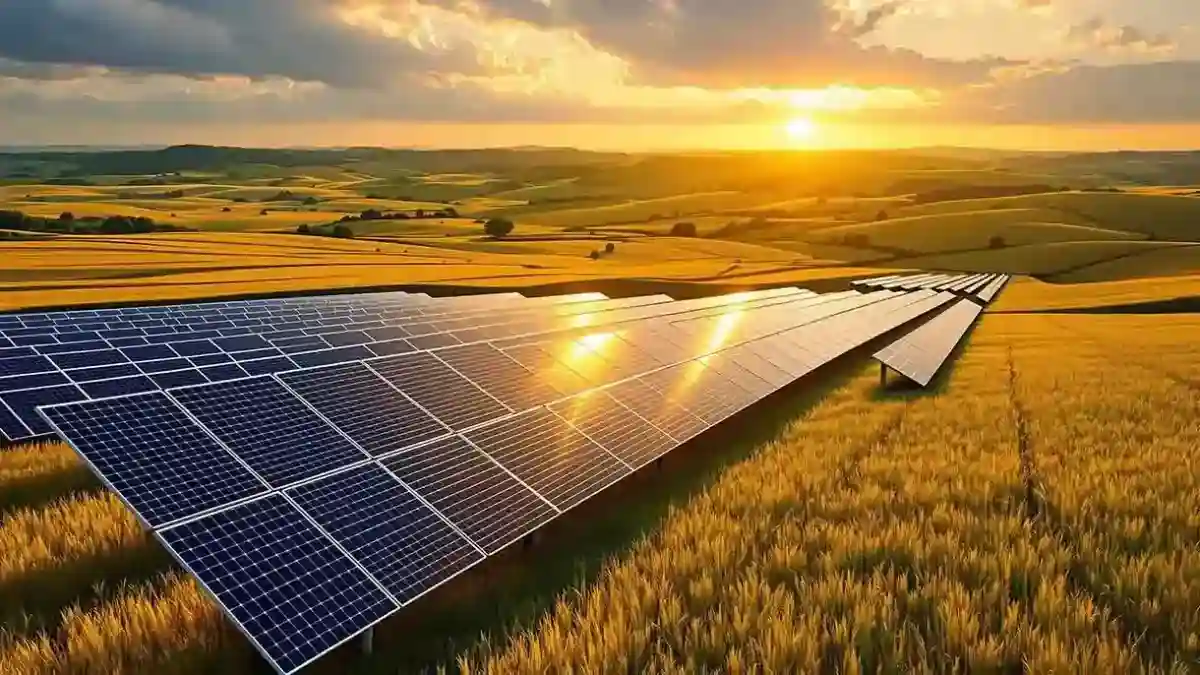
Nigeria is stepping up efforts to localise renewable energy production, increasing its installed solar panel manufacturing capacity from 120 megawatts to about 300MW within two years, with an additional 3.7 gigawatts in the pipeline. The move signals the country ambition to become a major renewable energy hub in West Africa.
The Managing Director of the Rural Electrification Agency, Abba Aliyu, disclosed this during a webinar organised by the African Association of Energy Journalists and Publishers. He noted that the expansion is being driven by deliberate government policies designed to attract private sector investment.
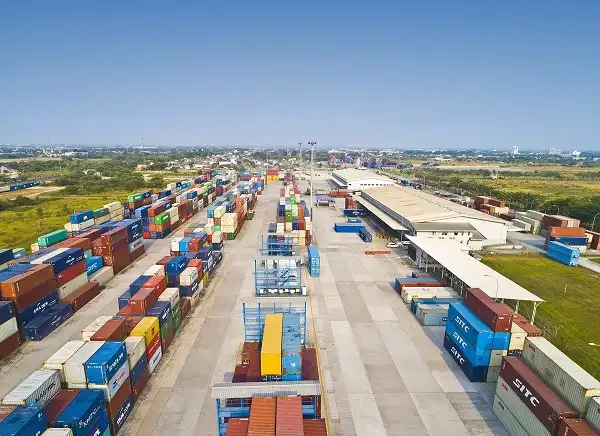
Aliyu revealed that Nigeria secured about 425 million dollars in 2025 to elish eight renewable energy manufacturing plants. He added that locally produced solar panels are already being exported from Lagos to Accra in Ghana, highlighting the country growing industrial capacity.
Investor confidence, according to Aliyu, has been boosted by regulatory reforms introduced by the Nigerian Electricity Regulatory Commission. The 2026 Mini Grid Regulations increased allowable mini grid capacity from 1MW to 5MW and up to 10MW for interconnected systems, enabling larger renewable energy projects while simplifying licensing processes.
He explained that the expanded mini grid framework could also support cross border electricity trade, particularly in rural border communities. While initiatives like the West African Power Pool focus on grid connectivity, he stressed the need for a complementary off grid electricity market across the region.
Nigeria renewable energy model is already attracting attention across Africa, with countries such as Mozambique, Benin Republic, Burkina Faso, Niger, Chad, Mauritania and Mauritius studying the framework for adoption.
A key initiative driving this progress is the Distributed Access through Renewable Energy Scale Up programme, which aims to provide electricity to 17.5 million Nigerians by connecting over 2.5 million households and deploying 1350 mini grids.
Aliyu added that partnerships with institutions such as Citibank Nigeria, Lotus Bank and the International Finance Corporation reflect growing global confidence in Nigeria renewable energy strategy.
You May Like


















Leave a comment