


Nigeria economic landscape continues to show mixed signals as recent developments across monetary policy foreign exce markets capital markets and fiscal regulation point to both progress and persistent structural challenges.
The Central Bank of Nigeria is maintaining a cautious stance as inflation expectations remain elevated while citizens continue to call for lower interest rates despite concerns about price ility.

Foreign exce conditions have shown slight ility in the official market but pressure in the parallel market continues due to strong demand for dollars and limited supply.
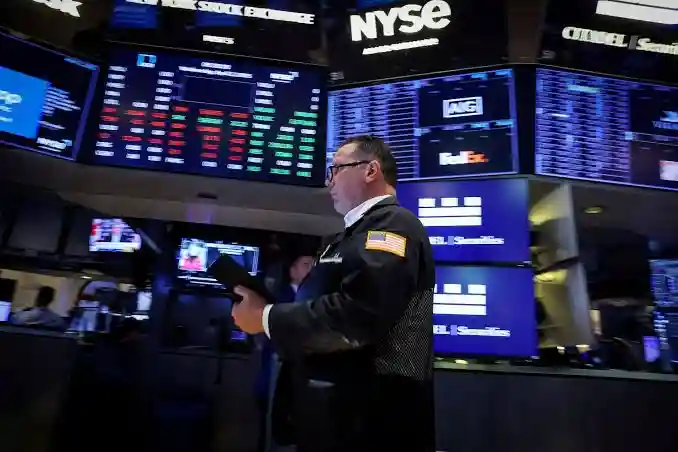
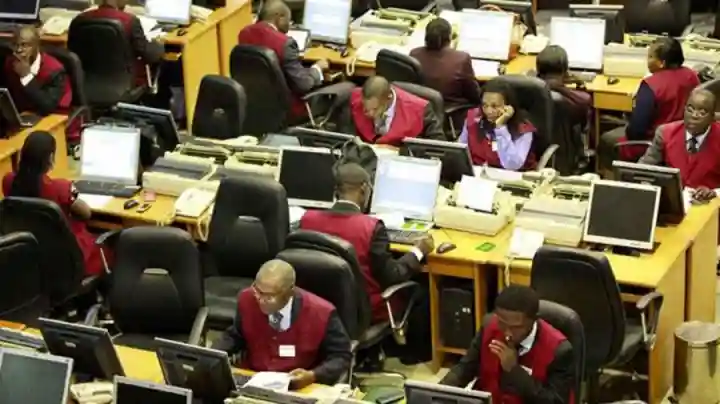
The capital market has recorded strong gains driven mainly by banking stocks indicating improved investor confidence even though participation remains concentrated in a few sectors.
Recent reforms in public procurement are aimed at reducing cost inflation in government contracts by enforcing stricter approval processes for contract variations and adjustments.
At the same time private sector investments such as large scale fertiliser projects highlight growing confidence in African agricultural potential and regional food security goals.
Political developments ahead of the next election cycle show increased competition within major parties as incumbents face stronger challenges during party primaries.
Overall the outlook suggests gradual ilization in financial markets but sustained pressure from inflation energy costs and infrastructure gaps continues to weigh on growth.
Key sectors including banking manufacturing and agriculture are expected to play important roles in shaping medium term growth as policy ility and improved investment conditions remain priorities for economic managers.
Stakeholders are watching closely to see how coordinated reforms in monetary policy fiscal governance and infrastructure development will influence inflation exce rate ility and overall economic performance in the coming months across the country. The outcome will depend on execution discipline and effective coordination among key institutions and market participants over time as reforms take hold and economic confidence improves gradually nationwide across sectors.
You May Like



















Leave a comment