

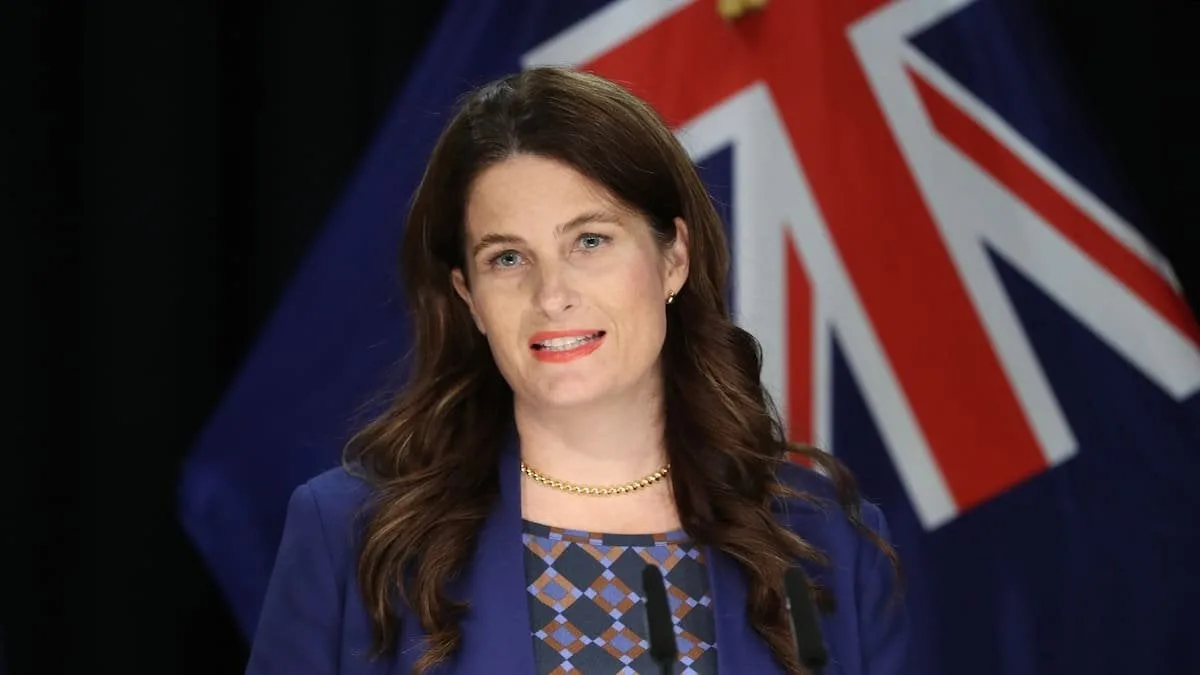
New Zealand’s economy is about to get a dose of bitter medicine, and there will be no sugar coating the prescription. Finance Minister Nicola Willis has delivered Budget 2026 against a backdrop of mounting fiscal pressures and inflationary headwinds that are forcing a fundamental recalibration of economic policy. The era of stimulus spending and accommodative monetary policy is drawing to a close, replaced by contractionary measures that economists warn are necessary but painful.
International financial institutions have sounded the alarm on fiscal sustainability across developed economies. Recent publications by the International Monetary Fund and the Bank for International Settlements highlight that fiscal vulnerabilities remain elevated in many major economies, while inflation continues to run above target levels in most countries. Few nations achieved full price ility following the pandemic disruptions, with core inflation stubbornly refusing to settle at the traditional two percent target. Now, a 1970s style cost shock is rippling through pricing systems globally, prompting central banks to either raise interest rates or prepare to do so imminently.

The convergence of tighter government budgets and higher interest rates represents a significant shift in policy stance. Both the Government and the Reserve Bank of New Zealand have signaled their commitment to fundamental economic principles: fiscal sustainability and price ility. Yet veteran economist Cameron Bagrie, who has analyzed 28 budgets over his career including four from inside Treasury, cautions against inflated expectations about what policymakers can actually achieve. The best outcome governments and central banks can deliver, he argues, is to avoid making things worse rather than actively driving growth.
The real driver of economic performance, according to this view, must come from the private sector rather than cyclical government support mechanisms. Expansionary fiscal policy has its place, but not year after year without consequence. Markets eventually impose discipline on unsustainable policy prescriptions, as former UK Prime Minister Liz Truss discovered when bond yields spiked and the pound plummeted in response to her fiscal plans. The incentive structures differ fundamentally when private actors risk their own capital rather than managing taxpayer funds or other people’s money.
New Zealand’s inflation challenge stems less from excess demand than from constrained supply capacity, a problem rooted in persistently low productivity growth. Monetary policy alone cannot solve structural productivity deficits. Government policy offers many levers for intervention, but cannot serve as a complete savior for underlying economic weaknesses. At the heart of any dynamic economy lies the ability to take and manage risk effectively, an area where New Zealand has struggled. Capital productivity across central government, local government, and the private sector all require scrutiny and improvement.
Beyond the annual budget theater, with its carefully staged announcements and political trade offs between fiscal credibility, infrastructure investment, and core services, the substantive work of government continues throughout the year. Legislative programs addressing microeconomic reforms, rather than macroeconomic fiscal and monetary tweaks, often deliver more lasting impact on economic fundamentals. As New Zealand adjusts to this new t of fiscal restraint and monetary tightening, the critical question becomes whether the country can cultivate the private sector dynamism and productivity gains needed to drive sustainable growth when government support recedes. The answer will determine whether today’s medicine delivers tomorrow’s economic health.
You May Like






















Leave a comment