

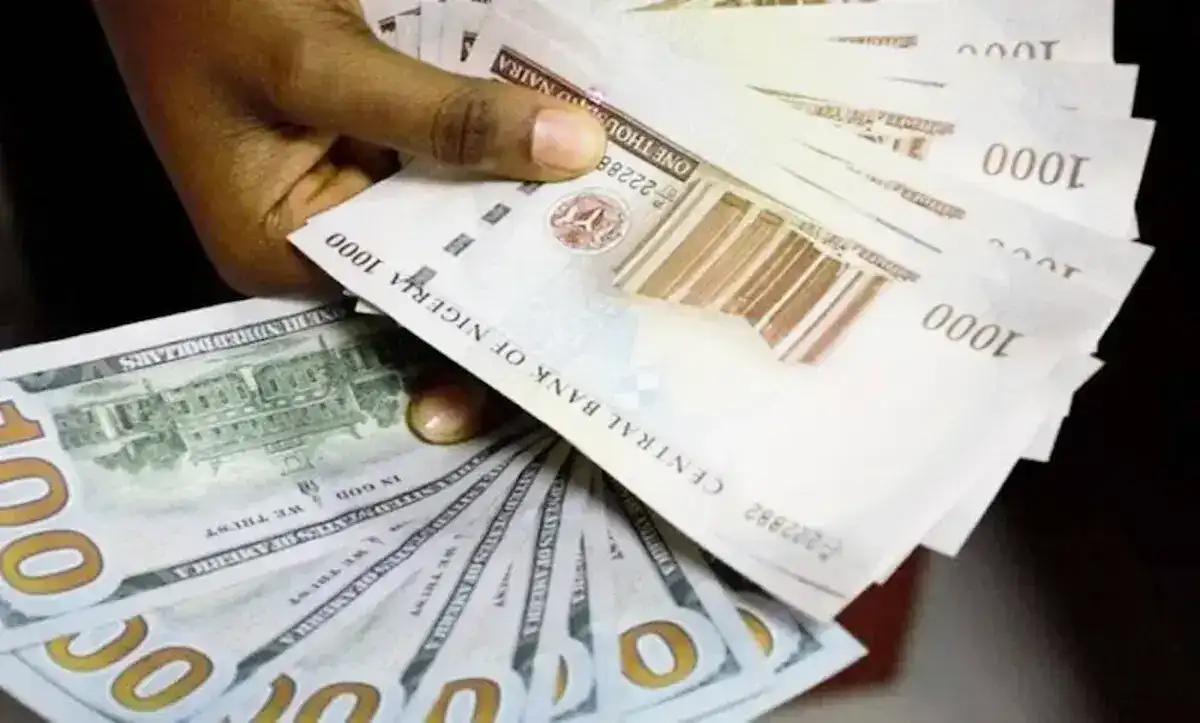
The Nigerian naira posted mixed performance against the United States dollar on Thursday, May 14, 2026, across both the official Nigerian Foreign Exce Market, NFEM, and the parallel market as traders monitored market liquidity and interventions by the Central Bank of Nigeria, CBN.
At the official market, figures released by the Central Bank showed the naira trading around ₦1,375.62 per dollar at the NFEM window. The local currency maintained recent gains supported by improved dollar supply and increased activity in the foreign exce market.

Market reports indicated that foreign exce turnover at the official market recently rose to about $1.89 billion in single day trading. Analysts said the increase reflected stronger participation by banks, investors, and other market players, helping to reduce pressure on the naira.
In the parallel market, commonly referred to as the black market, the dollar traded between ₦1,395 and ₦1,405 depending on location and transaction volume. Bureau De Ce operators in Lagos and Abuja quoted buying rates between ₦1,385 and ₦1,395, while selling rates ranged from ₦1,400 to ₦1,405.
Reports also showed that the exce rate gap between the official and parallel markets remained relatively narrow at between ₦20 and ₦30. This is significantly lower than the wider margins recorded earlier in the year.
Financial analysts linked the relative ility of the naira to sustained foreign exce interventions by the Central Bank, rising external reserves, and improved investor confidence in Nigeria’s foreign exce market.
Nigeria’s external reserves were recently estimated at approximately $48.48 billion, providing additional support for the country’s foreign exce ility efforts.
Despite the recent improvement, currency dealers noted that demand pressure from importers, travelers, and businesses sourcing foreign exce outside the formal banking system continues to affect black market rates.
The development comes as monetary authorities continue reforms aimed at improving transparency, liquidity, and investor confidence in the Nigerian foreign exce market.
















Leave a comment