

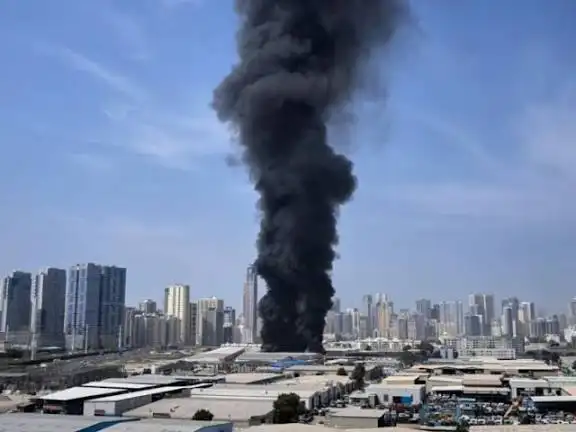
Air defense networks across the Middle East remain on heightened alert as the regional war involving Iran and Israel continues to generate persistent missile threats. Military authorities in several countries have activated advanced monitoring systems designed to detect and intercept incoming projectiles as governments work to protect cities, military facilities and critical infrastructure.
Defense officials say radar installations and interception systems across the region have been operating continuously in recent days. The heightened readiness reflects concerns that additional missile launches could occur at any moment as the confrontation continues. Several countries have coordinated closely with allied forces to strengthen detection capabilities and improve response times against aerial threats.

Residents in a number of cities across the region have reported hearing air raid sirens and the distant sounds of interception systems during recent nights. These defensive measures are intended to neutralize incoming missiles before they reach populated areas. Military analysts say the effectiveness of these systems has helped reduce potential damage, although the persistent threats continue to keep populations on edge.
The expanded security posture extends beyond Israel and Iran as neighboring countries also seek to prevent any spillover from the ongoing conflict. Governments across the Gulf and eastern Mediterranean have increased surveillance of their airspace and placed additional units on standby. Commercial aviation authorities are also reviewing flight paths to ensure aircraft avoid areas where military activity could pose risks.
Experts say the continued reliance on air defense systems illustrates how rapidly modern conflicts can affect multiple nations even when the direct confrontation involves only a few participants. As tensions remain elevated, defense analysts believe the coming days will test the resilience of regional security networks. Maintaining effective protection against incoming missiles has become a central priority for governments seeking to safeguard civilian populations and strategic infrastructure.


















Leave a comment