


Manufacturers operating under the Manufacturers Association of Nigeria Export Group have expressed concern over what they describe as an imbalance in foreign exce policy following a recent directive by the Central Bank of Nigeria.
The apex bank recently removed restrictions on International Oil Companies, allowing them full access to repatriate 100 percent of their export proceeds through authorised dealer banks. The move, part of broader foreign exce reforms, eliminates the previous cash pooling requirement and is widely seen as an effort to attract investment into Nigeria’s oil and gas sector.

While the policy has been welcomed by stakeholders in the oil industry, non oil exporters argue that it creates an uneven playing field. Executive Secretary of MANEG, Dr Benedict Obhiosa, noted that although the decision could boost investor confidence and improve ease of doing business, it may also reduce foreign exce liquidity within the domestic market.
He explained that allowing oil companies to freely repatriate earnings could limit the amount of foreign exce available locally, thereby putting pressure on other sectors that rely on access to forex for operations.
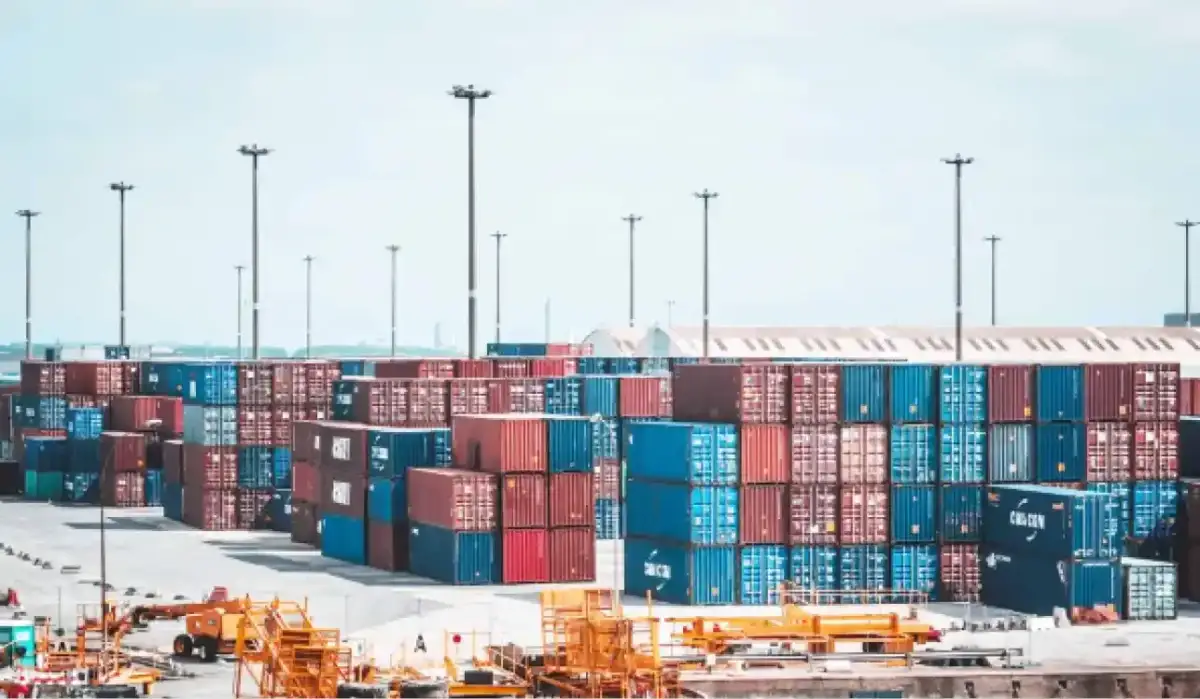
Obhiosa further emphasized that excluding non oil exporters from similar incentives undermines Nigeria’s economic diversification goals. According to him, exporters in agriculture, manufacturing, and other non oil sectors remain critical to reducing dependence on crude oil, yet they are not benefiting from the same level of policy support.
He called on policymakers to introduce balanced incentives that would support all export sectors and ensure inclusive growth across the economy.
However, some industry players, particularly in the downstream oil and gas sector, have praised the policy. Mashood Sanni of LUBCON Group described the move as timely, noting that improved access to foreign exce would ease the importation of raw materials such as base oils and additives.
Supporters argue that the policy could enhance production capacity, strengthen competitiveness, and attract new investments, especially at a time when the Nigerian economy faces external pressures.
Despite these differing views, analysts agree that the long term impact of the policy will depend on how well authorities balance foreign exce reforms with the need to support non oil exports and broader economic ility.
You May Like




















Leave a comment