

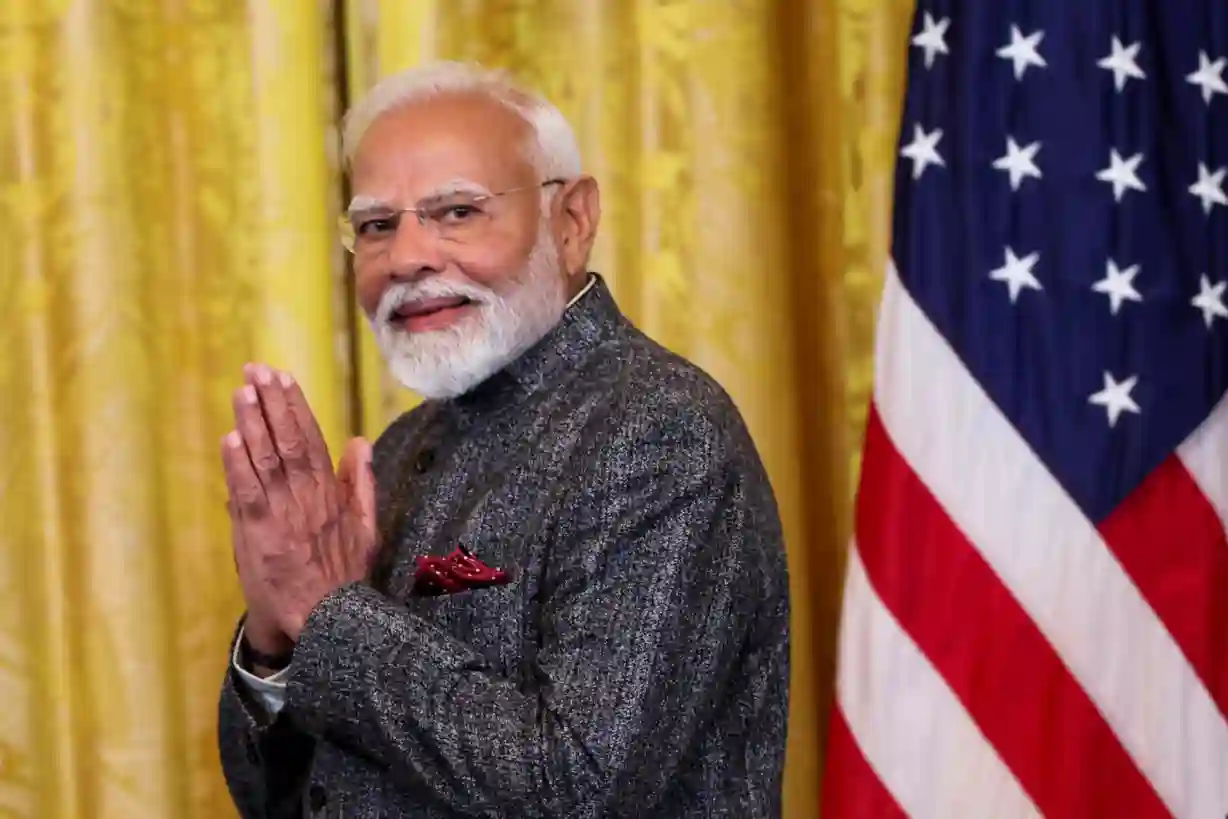
The Congress party has launched a sharp on the Modi government’s economic stewardship, coining a provocative formula that “Modinomics” equals appeasement of the United States plus capitulation to China. The critique, delivered by Congress general secretary Jairam Ramesh on Wednesday, centers on India’s deteriorating trade position with its two most significant economic partners and raises uncomfortable questions about the country’s strategic autonomy in an increasingly multipolar world.
According to figures cited by Ramesh in a post on social media platform X, India’s goods trade surplus with the United States has declined noticeably from 40.1 billion dollars in the previous fiscal year to 34.4 billion dollars in 2025 to 2026. Simultaneously, the trade deficit with China has ballooned to an unprecedented 112.2 billion dollars during the same period, compared to 99.2 billion dollars the year before. These numbers paint a picture of an economy caught between competing pressures, struggling to maintain favorable terms with Washington while hemorrhaging foreign exce to Beijing.

The widening trade imbalance with China is particularly striking. Indian exports to China rose by a robust 36.66 percent to reach 19.47 billion dollars during the last fiscal year, yet imports from the world’s manufacturing powerhouse increased at a comparatively modest but far larger 16 percent to hit 131.63 billion dollars. The resulting deficit of 112.6 billion dollars represents an all time high, underscoring India’s continued dependence on Chinese goods ranging from electronics and machinery to pharmaceutical ingrents and solar equipment despite years of government rhetoric about self reliance and atmanirbharta.
Meanwhile, India’s relationship with the United States presents its own set of complexities. Despite ongoing negotiations for a bilateral trade agreement, with US Trade Representative Jamieson Greer visiting New Delhi to discuss an interim trade pact with Commerce and Industry Minister Piyush Goyal, the numbers tell a sobering story. Indian exports to America grew by a marginal 0.92 percent to 87.3 billion dollars during the last fiscal year even as the country faced higher American tariffs, while imports from the US surged 15.95 percent to 52.9 billion dollars. The United States remains India’s second largest trading partner, but the shrinking surplus suggests New Delhi may be making economic concessions to maintain political goodwill.
Congress’s criticism taps into broader anxieties about India’s economic sovereignty and its ability to navigate the treacherous waters of great power competition. The opposition party has consistently accused the Modi administration of failing to build a truly independent foreign policy, instead oscillating between accommodation of American demands and inability to counter Chinese economic dominance. Whether this characterization is fair or merely partisan politicking, the underlying trade data provides ammunition for those questioning whether India’s economic diplomacy is sufficiently assertive.
Looking ahead, these trade imbalances will likely feature prominently in political discourse as India approaches future electoral contests. The government will need to demonstrate that any bilateral trade agreement with Washington delivers tangible benefits beyond symbolic friendship, while simultaneously articulating a credible strategy to reduce dependence on Chinese imports without triggering inflation or supply chain disruptions. How New Delhi manages these competing imperatives will ultimately determine whether the Congress critique gains traction with voters concerned about jobs, prices, and national prestige on the global stage.












Leave a comment