

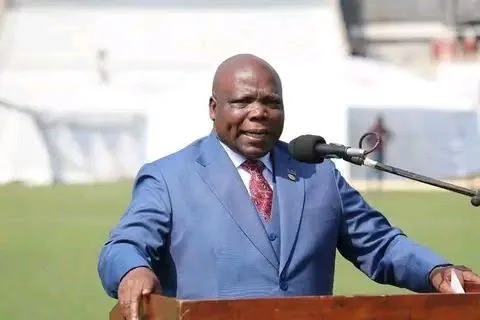
Malawi’s government has launched a forceful defense against explosive allegations that a controversial South African businessman with ties to the First Lady’s charity received secret diplomatic appointments and preferential mining licenses. Chief Secretary Justin Saidi issued a withering statement branding the claims as entirely fabricated and designed to undermine public confidence in President Arthur Peter Mutharika’s administration. The denial comes amid mounting pressure from civil society organizations demanding transparency over donations to Beautify Malawi, the charitable foundation headed by First Lady Gertrude Mutharika.
At the center of the controversy is Zunaid Moti, a South African tycoon whose financial contributions to the First Lady’s organization have raised questions about potential influence peddling at the highest levels of government. Governance watchdog CDEDI has called for a comprehensive forensic investigation into Beautify Malawi after revelations of Moti’s involvement sparked accusations of improper connections between private wealth and presidential power. The organization’s demands have touched a nerve in a country where donor transparency and anti corruption efforts remain sensitive political issues.
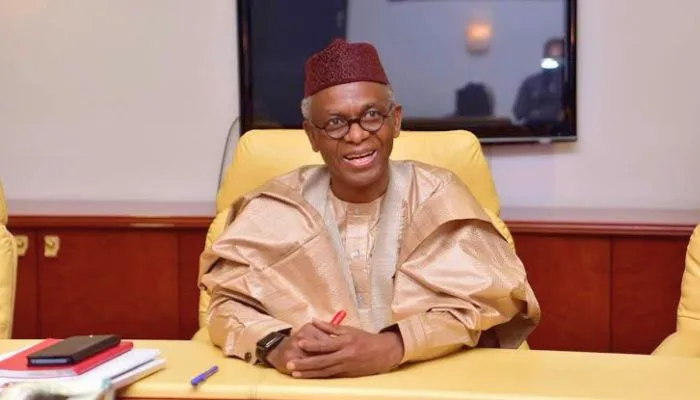
In his statement released on July 14, Saidi categorically rejected every element of the allegations, insisting that Moti holds no government position of any kind. The Chief Secretary characterized reports of diplomatic appointments as malicious fiction, stating unequivocally that the businessman has received neither contracts nor special treatment from the administration. Government officials appeared particularly stung by suggestions that Mutharika’s office had compromised its stated commitment to clean governance, with Saidi framing the controversy as politically motivated character assassination.
Addressing specific claims about mining concessions, the Office of the President and Cabinet revealed that a moratorium on new mineral licenses has been in effect since the Democratic Progressive Party took power. Officials described the freeze as a necessary measure to address what they termed a chaotic system plagued by overlapping active and dormant license holders. Saidi insisted that no new licenses have been issued during this period and that none appear in government systems, directly contradicting reports suggesting Moti had benefited from preferential access to mineral extraction rights.
Government statements went beyond simple denials, accusing unnamed forces of orchestrating a deliberate smear campaign designed to damage the administration’s credibility on anti corruption issues. Officials issued a pointed warning that spreading false information constitutes a criminal offense under Malawian law, urging citizens to verify claims before sharing them on digital platforms. Saidi’s language suggested deep frustration with what he characterized as reckless rumor mongering that threatens to erode institutional legitimacy and distract the nation from development priorities.
The controversy arrives at a delicate moment for Malawi’s political landscape, where questions about governance transparency and elite accountability remain flashpoints for public discontent. Whether the government’s vehement denials will satisfy critics or fuel further demands for independent investigation remains to be seen. As civil society organizations continue pressing for detailed accounting of charitable donations and their potential influence on policy decisions, the coming weeks will test both the administration’s transparency commitments and the durability of public trust in presidential institutions during a period when Malawi can ill afford protracted political distraction.
















Leave a comment