

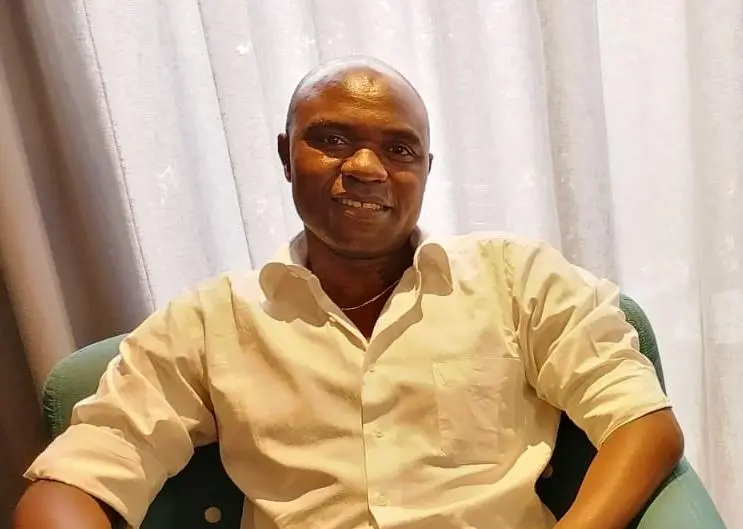
A former cabinet minister in Malawi has become the latest high profile victim of an increasingly common WhatsApp scam, losing control of his messaging account within minutes after being tricked into sharing a verification code with fraudsters posing as parliamentary officials.
Eisenhower Mkaka, who previously served as Natural Resources Minister and currently sits as a Malawi Congress Party member of parliament, publicly admitted to falling for the sophisticated social engineering in a candid Facebook post that has drawn both sympathy and ridicule. Known throughout his political career for his combative style and outspoken nature, Mkaka found himself in the unusual position of issuing a public mea culpa after receiving a call from a Nigerian number claiming to represent Parliament. The caller offered what appeared to be a legitimate meeting invitation and then asked Mkaka to read aloud a verification code that had been sent to his WhatsApp account.

Mkaka complied with the request, apparently believing he was speaking with genuine parliamentary staff. Within two minutes, he realized soing had gone catastrophically wrong. He had been locked out of his own WhatsApp account entirely, with the scammer now in full control of his contact list, chat history, and digital identity on the platform.
The incident highlights a growing threat that has ensnared thousands of users across Africa and beyond. Cybersecurity experts have repeatedly warned that WhatsApp verification codes should never be shared with anyone under any circumstances, as these six digit numbers are specifically designed to grant complete account access to whoever enters them. Scammers have refined their techniques over recent years, often impersonating trusted institutions, family members, or business contacts to create a false sense of urgency that bypasses victims’ usual caution.
For someone of Mkaka’s public stature, the breach carries particular risks beyond simple embarrassment. Politicians and government officials maintain sensitive communications with constituents, colleagues, and contacts that could potentially be exploited for further fraud, blackmail, or political manipulation. Once scammers gain access to a WhatsApp account, they frequently impersonate the owner to request money from contacts or spread malicious links, creating a cascading effect of victimization.
Following the incident, Mkaka has urged fellow Malawians and digital users more broadly to strengthen their online security practices and remain vigilant against such schemes. As mobile money and digital communication become increasingly central to African economies and political life, the intersection of cybercrime and public figures may become an ever more common story. Whether this public admission prompts wider awareness campaigns or policy responses from Malawian authorities remains to be seen, but Mkaka’s unfortunate experience serves as a stark reminder that digital literacy and skepticism are now essential survival ss in the modern age.
You May Like


















Leave a comment