

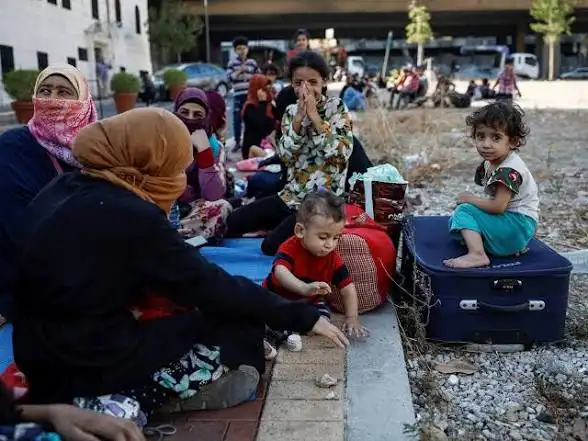
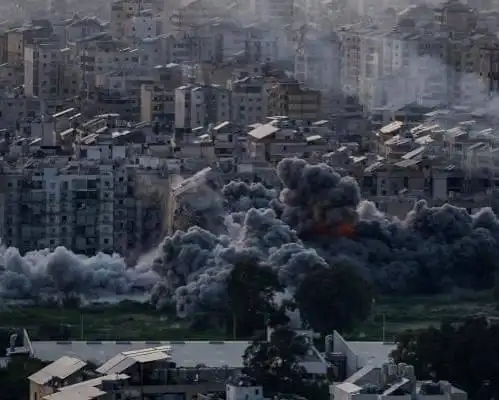
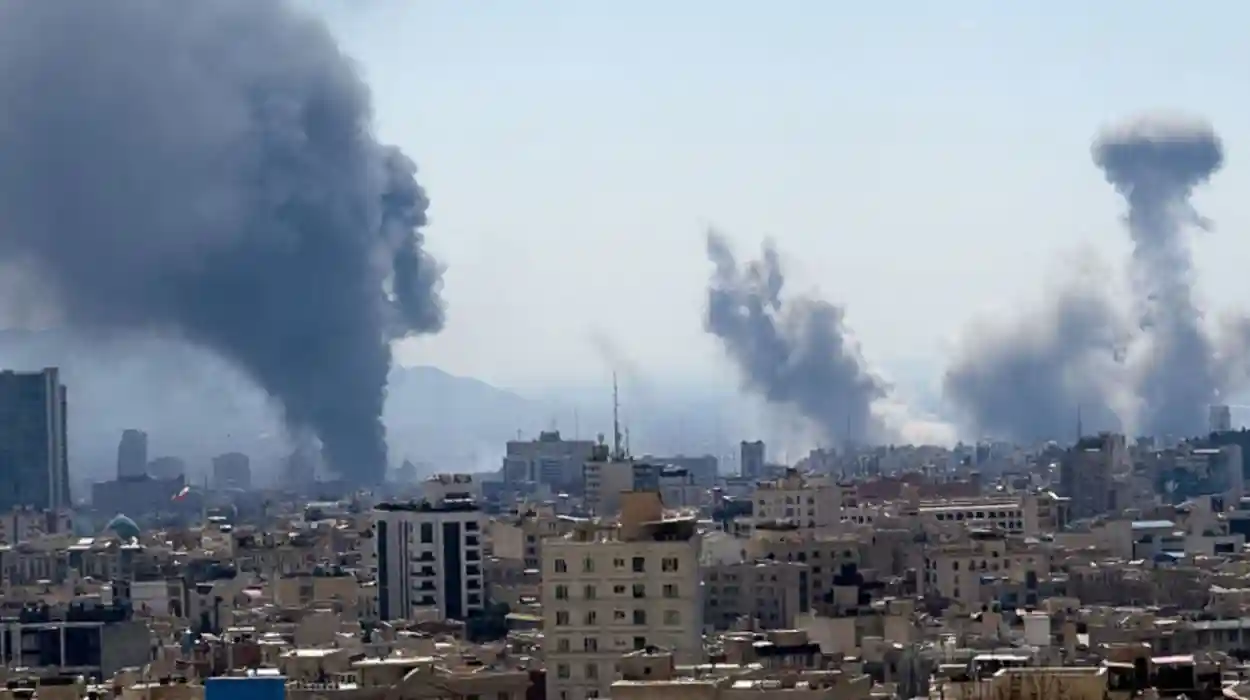
The scale of displacement in Lebanon has grown dramatically as ongoing hostilities extend into major urban centers, including the capital Beirut. Humanitarian agencies report that more than one million people have been forced to leave their homes, marking one of the largest population movements in the country’s recent history. The surge in displacement has placed immense pressure on shelters, public services, and local communities struggling to accommodate the influx.
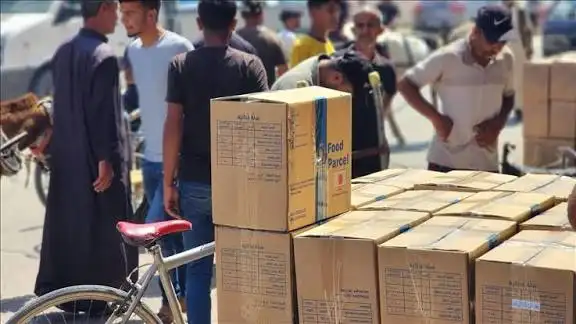
Aid organizations operating on the ground describe increasingly difficult conditions for displaced families. Many are seeking refuge in schools, community centers, and temporary shelters that are rapidly reaching capacity. Access to basic necessities such as clean water, food supplies, and medical care has become a growing concern. Relief workers warn that without immediate expansion of assistance programs, vulnerable populations could face worsening humanitarian conditions in the coming weeks.
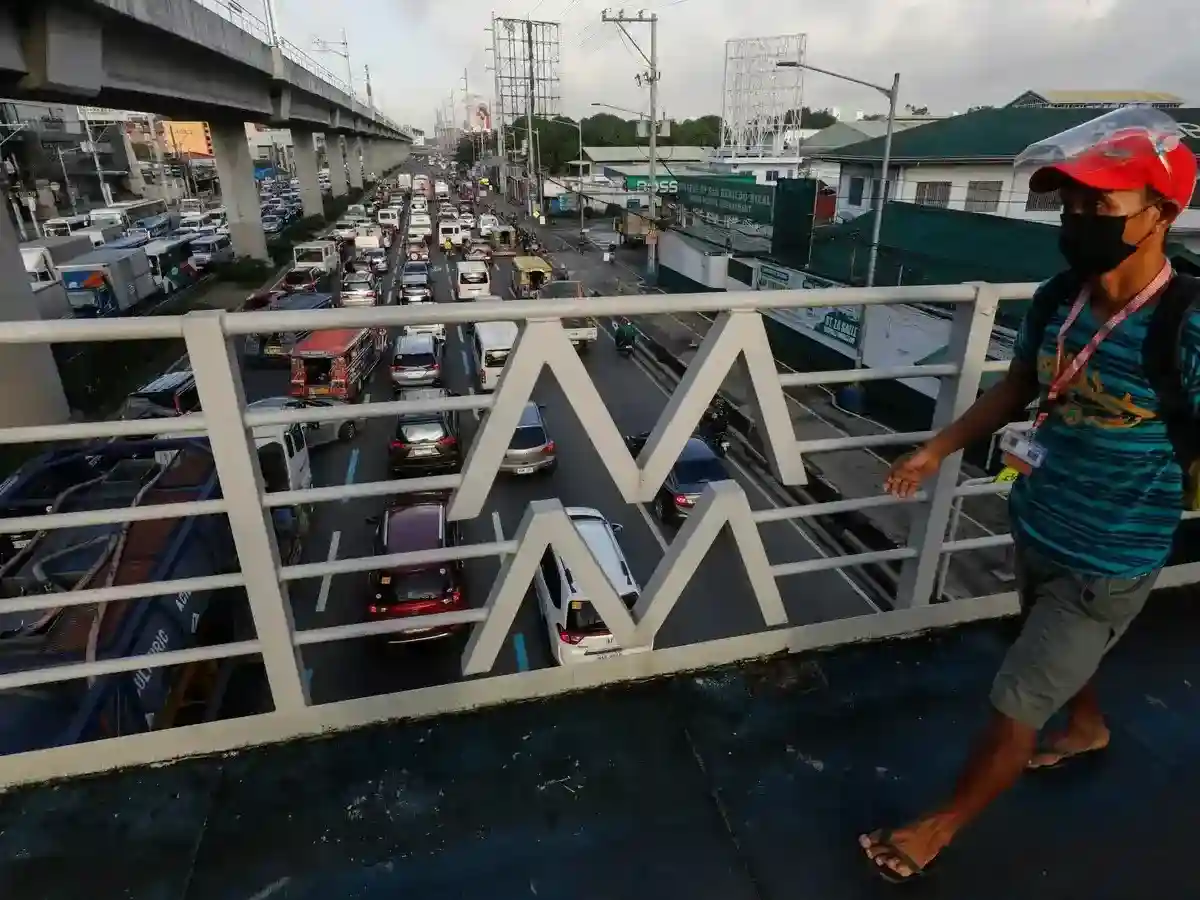
The situation has also disrupted daily life across large parts of the country, with infrastructure and essential services under strain. Transportation networks have been affected, limiting the ability of people to move safely or access support systems. Economic activity has slowed significantly as businesses close or operate under restricted conditions. Observers note that the impact extends beyond those directly displaced, affecting the broader population and deepening existing challenges within the national economy.
International response efforts are being coordinated by organizations such as the United Nations, which has called for increased funding and urgent humanitarian access. Officials emphasize the need for safe corridors to deliver aid efficiently and to protect civilians seeking refuge. Neighboring countries and regional partners are also evaluating how best to support relief operations, though logistical and political complexities continue to shape the response.
As the crisis unfolds, attention is turning to long term implications for Lebanon’s ility and recovery. Analysts warn that prolonged displacement on this scale could have lasting social and economic consequences, including challenges related to housing, employment, and public health. While immediate priorities remain focused on humanitarian relief, there is growing recognition that sustained international engagement will be necessary to address the broader impact of the ongoing conflict.















Leave a comment