


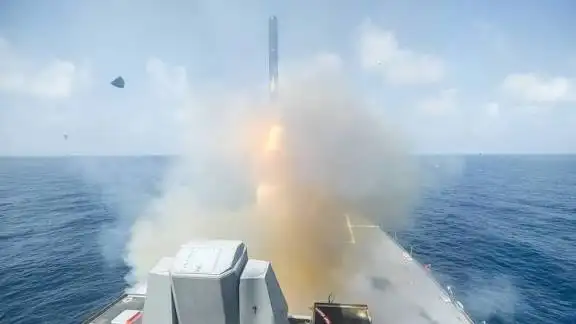
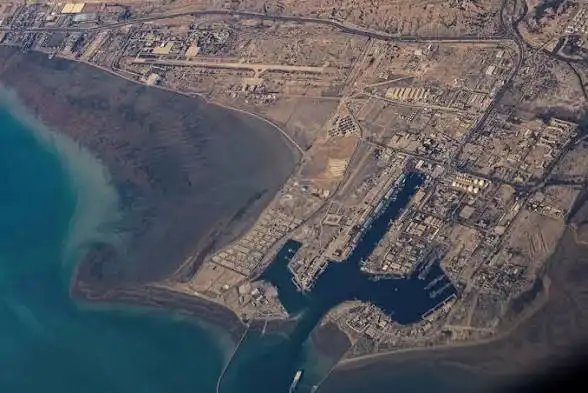
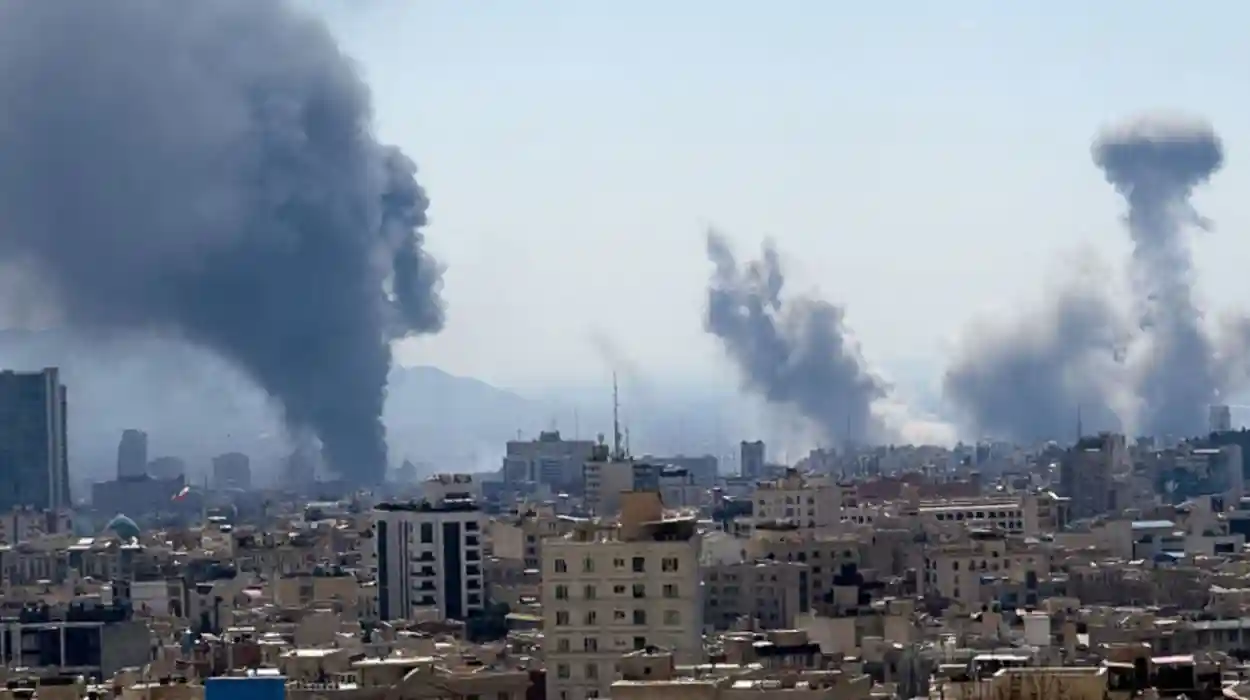
Tensions between Washington and Tehran escalated sharply on Thursday as Iran denounced recent American military strikes on its territory as gross war crimes, while President Donald Trump warned that any further Iranian aggression would be met with vastly disproportionate force. Iranian officials condemned s on southern coastal provinces and two bridges in the eastern part of the country, characterizing the operations as deliberate targeting of civilian infrastructure and vowing that American hostility would not undermine national interests.
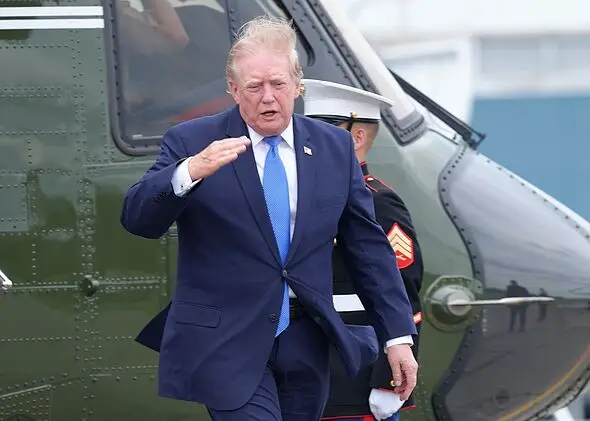
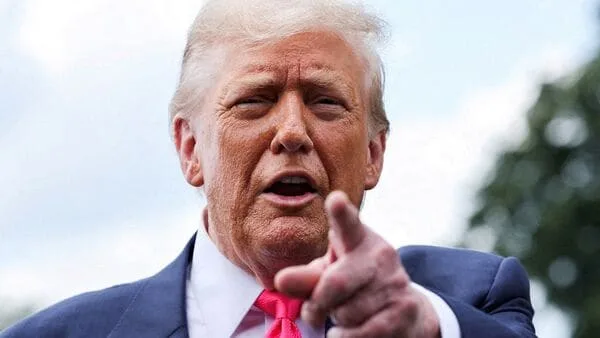
Trump told reporters he did not anticipate a renewal of large scale conflict, yet made clear that Washington’s response to any future Iranian s would be overwhelming. If they hit, we hit ten times harder, the president declared, adding that anything that happens will get over very quickly and pledging to ensure the safe flow of oil through contested waters. Earlier, Trump defended the strikes as retribution for what US officials characterized as Iranian s on commercial vessels transiting the Strait of Hormuz, a strategic chokepoint through which nearly one fifth of global oil supplies pass daily.
Iranian foreign ministry officials rejected American accusations and accused Washington of breaching previous agreements while attempting to impose its will through military coercion. Senior Iranian leaders have consistently maintained that passage through the Strait of Hormuz would be governed exclusively under arrangements determined by Tehran, a position that has placed the two nations on a collision course over control of one of the world’s most vital shipping lanes. Iran has characterized American military actions as bullying and baseness that will not be allowed to affect the country’s strategic interests or regional influence.
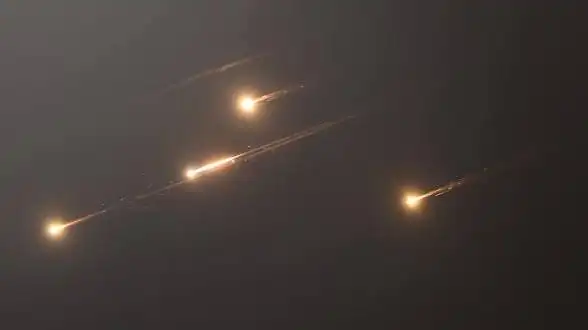
According to reports from Washington, the Trump administration is preparing contingency plans for potential military exces that could extend over several days or even weeks, with the Strait of Hormuz expected to remain the primary flashpoint. US officials indicated readiness to intensify military operations if Iran continues what Washington views as s on commercial shipping through the waterway. Tehran responded to the latest American strikes by launching s on US military installations in Kuwait and Bahrain, demonstrating both its capability and willingness to retaliate against American assets across the region.
The current crisis follows Trump’s announcement on Wednesday that a 60 day ceasefire framework between the two nations had effectively collapsed after what American officials described as Iranian s on commercial vessels reignited hostilities. Washington subsequently expanded its military campaign beyond targets near the Strait of Hormuz to include infrastructure inside Iran proper, marking a significant escalation in the scope and intensity of operations. Iranian officials have framed the American actions as violations of international law and have called on the global community to condemn what they characterize as aggression against a sovereign nation.
Looking ahead, the confrontation over the Strait of Hormuz threatens not only regional ility but also global energy markets and international shipping. Both nations appear entrenched in positions that leave little room for diplomatic maneuvering, with Trump promising overwhelming retaliation and Iranian officials vowing to maintain control over strategic waterways regardless of American pressure. Whether cooler heads prevail or the conflict spirals into sustained military engagement will depend largely on actions taken by both sides in the coming days, with the international community watching anxiously as two adversaries test each other’s resolve in one of the world’s most strategically sensitive regions.














Leave a comment