

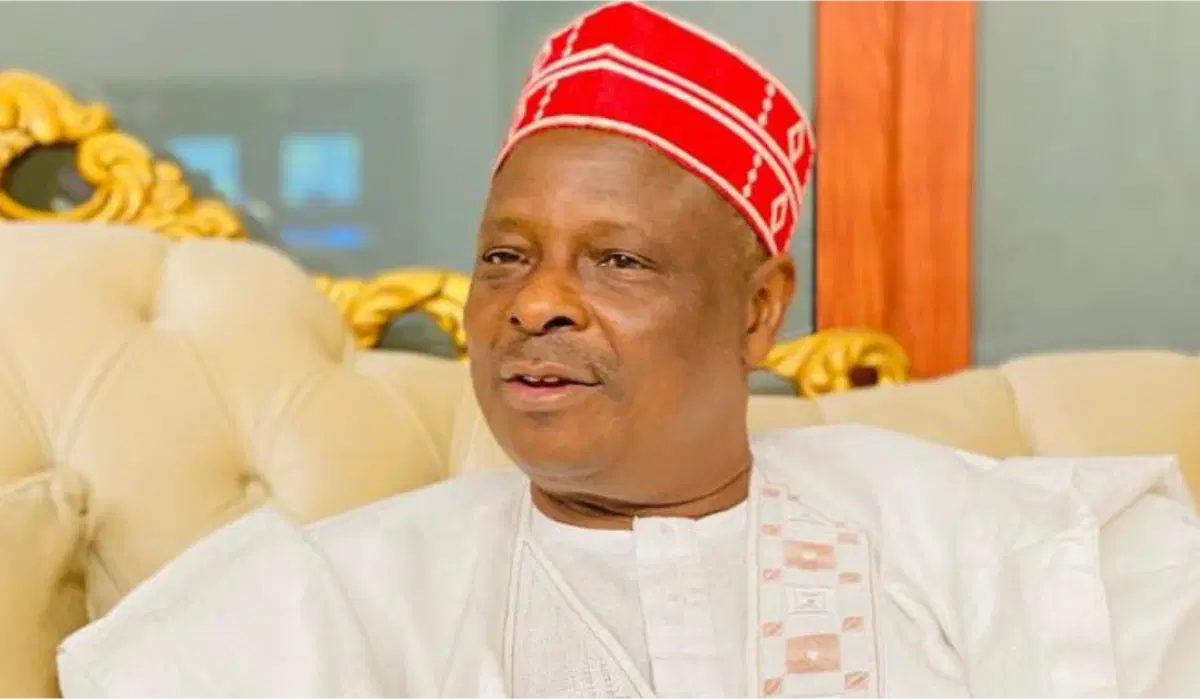
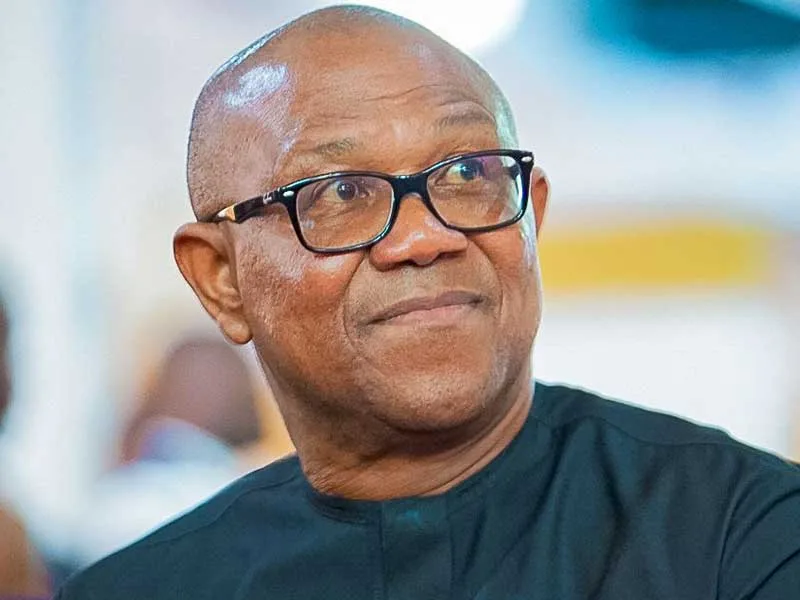
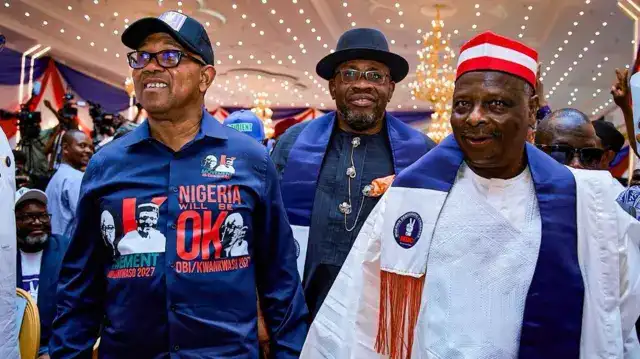
Former Kano State Governor Rabiu Kwankwaso has formally accepted his ratification as the vice presidential candidate of the Nigeria Democratic Congress, solidifying what many political observers view as a potentially formidable partnership ahead of the 2027 general elections. The announcement came during a special affirmation ceremony held on Sunday, just one day after Peter Obi emerged as the party’s presidential flag bearer. Kwankwaso’s acceptance marks a significant political alignment between two figures who have each commanded substantial followings in previous electoral cycles.
Speaking through his official social media channels, Kwankwaso expressed profound gratitude for the opportunity to serve as Obi’s running mate. He described the affirmation ceremony as an honour and extended special thanks to NDC National Leader Senator Seriake son and other party officials for what he termed a bold and visionary decision. His public statement emphasized humility while underscoring his commitment to the party’s objectives. The tone of his message suggested a politician eager to bridge Nigeria’s regional divides through collaborative leadership.
Kwankwaso characterized his selection as evidence of the NDC’s dedication to national unity and democratic consolidation. His remarks highlighted the strategic nature of the pairing, which brings together Obi’s considerable support base in southeastern Nigeria with Kwankwaso’s political stronghold in the northern region, particularly Kano State. Political analysts have long argued that successful presidential campaigns in Nigeria require cross regional appeal, and this ticket appears designed to achieve precisely that balance. The partnership also signals an attempt by the NDC to present itself as a serious alternative to the elished political parties that have dominated Nigerian politics for decades.
Obi’s selection of Kwankwaso comes at a critical juncture in Nigerian politics, with widespread dissatisfaction over economic challenges, persistent insecurity, and governance concerns creating space for opposition parties to gain traction. Both politicians have cultivated reputations as reform minded leaders, though they have taken different paths through Nigeria’s complex political landscape. Obi’s performance in the 2023 presidential election demonstrated his ability to mobilize young voters and urban populations, while Kwankwaso brings organizational strength and deep roots in northern politics through his extensive network built over decades of public service.
Observers note that the NDC ticket faces significant hurdles in challenging the incumbent All Progressives Congress and the main opposition People’s Democratic Party. Converting enthusiasm into electoral victory requires substantial funding, robust party structures across all 36 states, and the ability to navigate Nigeria’s intricate ethnic and religious dynamics. Past attempts at political alliances between leaders from different regions have sometimes foundered on questions of trust, resource allocation, and competing ambitions. Yet supporters of the new partnership argue that shared commitment to addressing Nigeria’s developmental challenges could provide the glue necessary to hold the coalition together through the rigors of a national campaign.
As the 2027 election cycle begins to take shape, the Obi and Kwankwaso partnership will face immediate tests of viability. Building a campaign infrastructure, articulating clear policy positions on unemployment and corruption, and maintaining party cohesion will determine whether the NDC can translate its message of democratic renewal into votes. The coming months will reveal whether this alliance represents a genuine reconfiguration of Nigerian political possibilities or merely another chapter in the country’s long history of unfulfilled electoral promises. What remains certain is that Nigeria’s political elishment will be watching this development closely, mindful that unconventional coalitions have occasionally disrupted seemingly settled political orders across Africa’s most populous nation.
You May Like











Leave a comment