

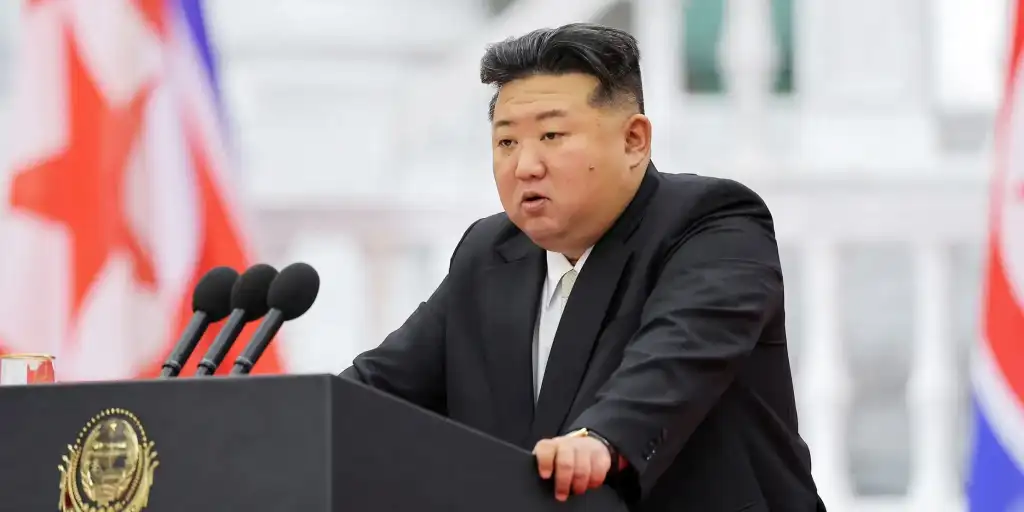
North Korea leader Kim Jong Un has declared that future relations between Pyongyang and Washington depend entirely on what he described as the United States attitude, while reaffirming his country commitment to strengthening its nuclear deterrent. His remarks, delivered during a major party congress in Pyongyang, signal a continuation of the confrontational posture that has defined recent years of diplomacy between the two sides.
Speaking before senior party officials and military leaders, Kim emphasized that dialogue remains possible but only under conditions that respect what he called North Korea sovereignty and security interests. He accused Washington of maintaining hostile policies, including military exercises with regional allies and economic sanctions that continue to constrain the North Korean economy.
Kim statements come amid stalled diplomatic engagement following previous high level summits that failed to yield a lasting agreement on denuclearization. While earlier meetings raised hopes for a breakthrough, negotiations ultimately collapsed over disagreements on sanctions relief and the sequencing of nuclear dismantlement steps.
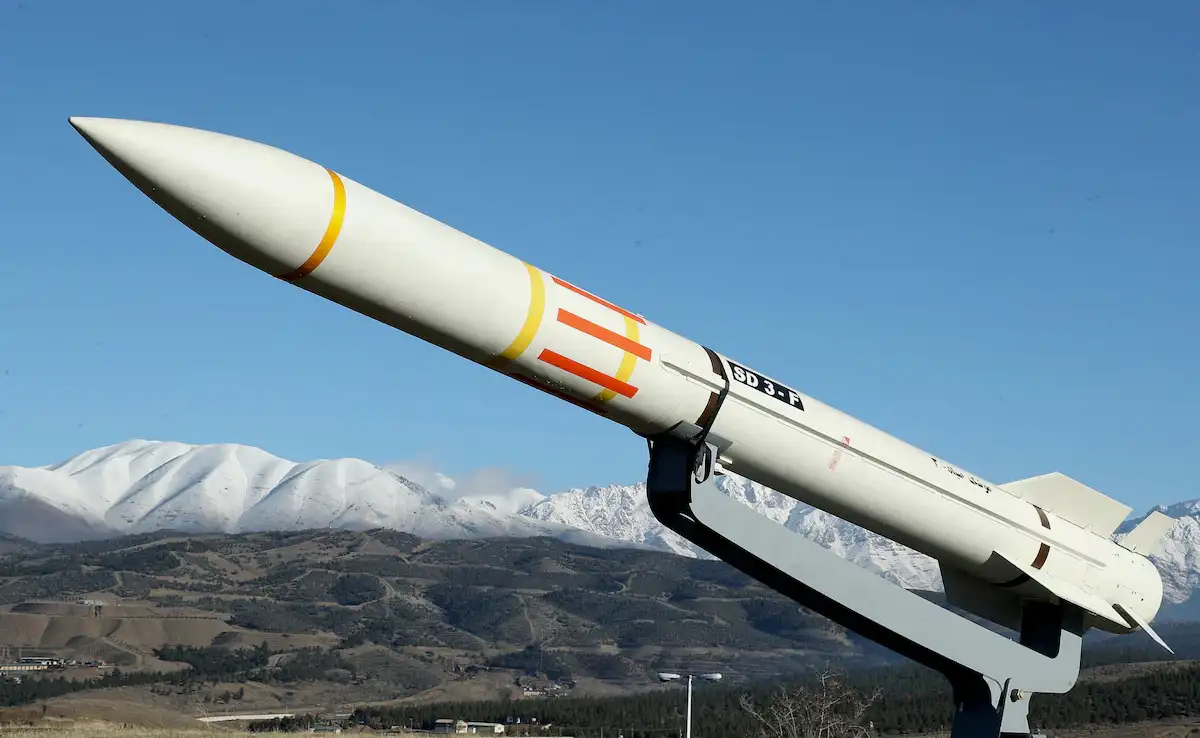
At the congress, Kim also touted advances in missile technology and strategic weapons development, presenting them as necessary measures to deter external threats. Analysts say such rhetoric is designed both to reinforce domestic unity and to send a calculated message to Washington and its regional partners in South Korea and Japan.
The United States has repeatedly called for renewed dialogue without preconditions, but officials have also stressed that sanctions will remain in place until verifiable steps toward denuclearization are taken. The renewed emphasis on nuclear strength from Pyongyang may complicate any near term diplomatic outreach.
Regional security experts warn that continued missile testing or military demonstrations could heighten tensions in Northeast Asia, prompting additional countermeasures from neighboring states. However, some observers argue that Kim measured tone leaves room for potential reengagement should political conditions shift.
As global attention remains focused on other flashpoints, the Korean Peninsula continues to represent a persistent strategic challenge. The trajectory of US DPRK relations may ultimately hinge on whether mutual distrust can be reduced through incremental confidence building measures.
You May Like















Leave a comment