

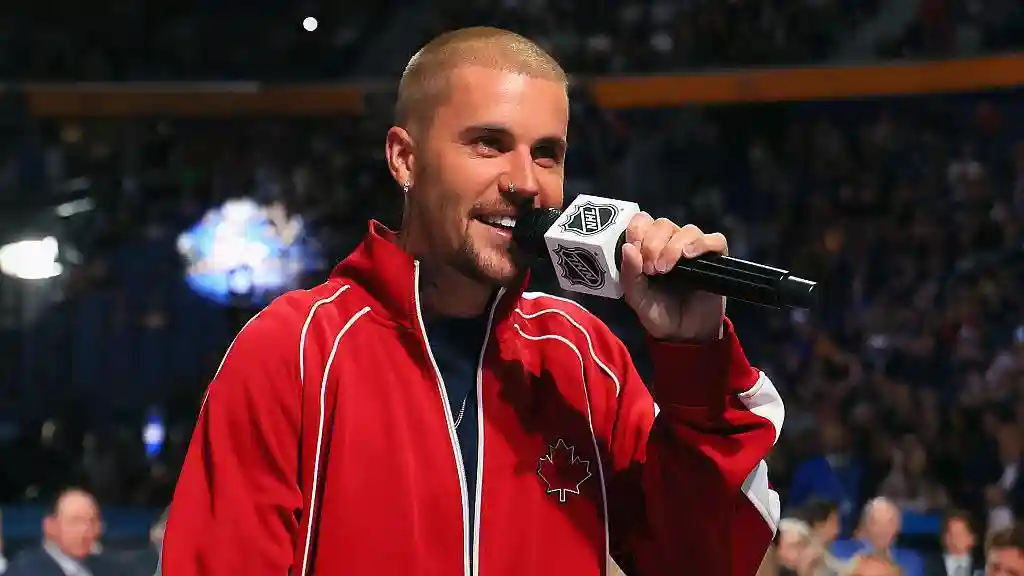
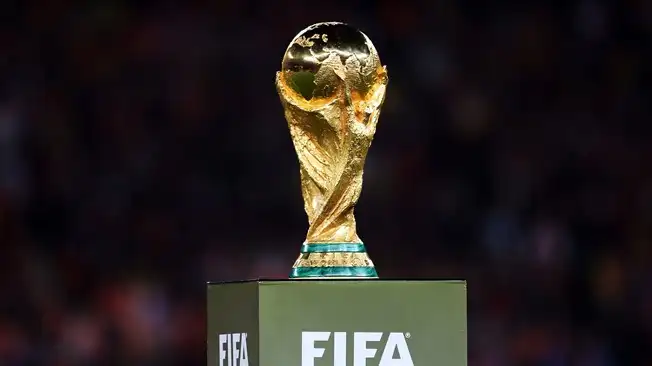
In a groundbreaking fusion of sport and entertainment, FIFA has assembled one of the most star-studded musical lineups in history for the 2026 World Cup Final halftime show. Justin Bieber will join pop icons Madonna, Shakira, and Korean supergroup BTS as co-headliners for an 11-minute spectacle at MetLife Stadium in New Jersey on July 19, marking the first time the world’s most prestigious football tournament has featured a Super Bowl style halftime performance. Coldplay frontman Chris Martin has been tapped to curate the unprecedented event, bringing his vision of a global celebration to the sport’s biggest stage.
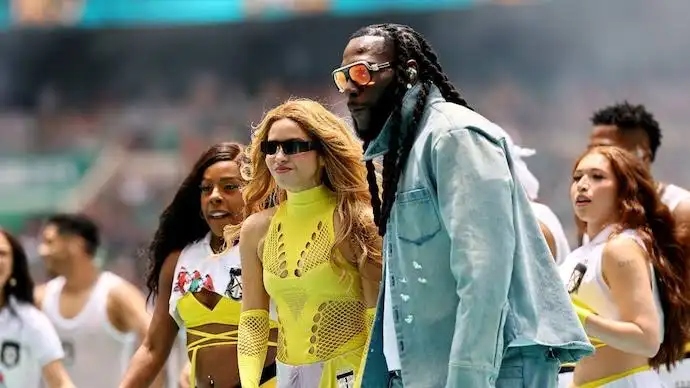
The announcement, confirmed by FIFA on Wednesday, represents a significant departure from traditional World Cup programming and signals the organization’s ambition to expand the tournament’s cultural footprint beyond the pitch. Alongside the four marquee headliners, Nigerian singer-songwriter Burna Boy will perform his collaboration with Shakira, “Dai Dai,” which has served as the tournament’s official anthem throughout the competition. Venezuelan conductor Gustavo Dudamel, the PS22 Chorus elementary school choir from Staten Island, and even characters from Sesame Street and The Muppets will round out the eclectic ensemble, creating a performance that spans generations and musical genres.
Beyond the spectacle, the halftime show serves a philanthropic mission tied to a $100 million fundraising target for the Global Citizen Education Fund. More than $50 million has already been raised, with $1 from every World Cup 2026 ticket sale directed toward the fund. FIFA President Gianni Infantino emphasized education as central to the initiative, stating his pride in bringing together such diverse talent for a cause that extends far beyond the stadium. Bieber echoed this sentiment, noting that the World Cup connects people in unique ways and expressing gratitude for the opportunity to support children’s education worldwide.
The logistical challenges of staging such an elaborate production during a World Cup final cannot be understated. Traditional football regulations cap halftime breaks at 15 minutes, and an 11-minute performance may necessitate extending the interval to accommodate setup, performance, and teardown. Sports analysts have begun questioning whether the extended break could impact player performance, potentially cooling down athletes at the most critical juncture of their careers. Organizers will need to balance the entertainment spectacle with maintaining competitive integrity, a delicate equilibrium that has sparked debate among purists and modernizers within the football community.
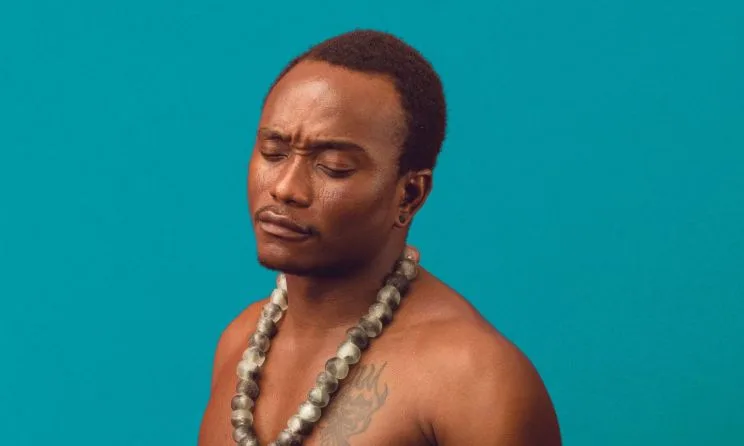
Burna Boy, whose global profile has risen dramatically in recent years, called his inclusion “a privilege of a lifetime,” reflecting the magnitude of performing before what is expected to be the largest television aunce in sporting history. His collaboration with Shakira has become ubiquitous throughout the tournament, played in stadiums, fan zones, and broadcast coverage across the six host nations. The pairing of Latin pop royalty with Afrobeats’ leading voice exemplifies FIFA’s strategy to create a truly global cultural moment that transcends traditional geographic and musical boundaries.
As the tournament enters its quarterfinal stage, eight nations remain in contention for the title: Argentina, France, Spain, England, Morocco, Belgium, Norway, and Switzerland. Whichever two teams advance to the final will share the spotlight with one of entertainment’s most ambitious productions, forever linking their athletic achievement with this cultural watershed moment. Whether the halftime show becomes a celebrated tradition or a controversial experiment may depend on how seamlessly organizers can integrate Hollywood spectacle with football tradition, but one thing is certain: the 2026 World Cup Final will be remembered as much for what happened off the pitch as on it.














Leave a comment