

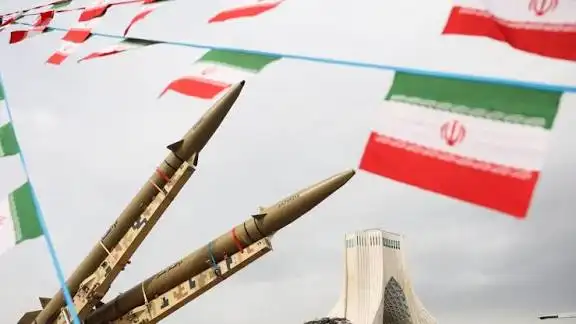
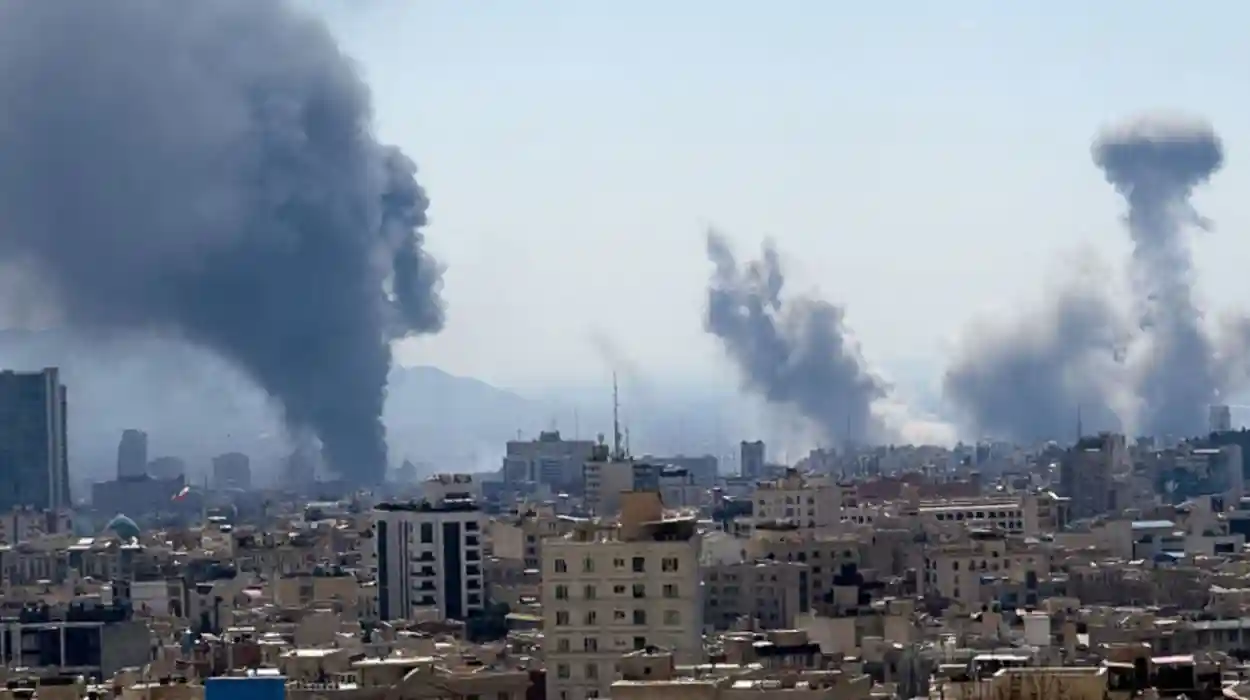
Iran has warned it is preparing what officials described as a crushing retaliation in response to coordinated military strikes carried out by Israel with United States support. Senior leaders in Tehran characterized the s as acts of aggression and pledged that consequences would follow.
In a televised address, Iranian officials stated that the country reserves the right to defend its sovereignty and respond proportionately. They accused Israel and the United States of violating international law and escalating tensions in an already volatile region. The rhetoric signaled that Tehran is considering a range of possible responses, including direct military action and measures through allied groups.
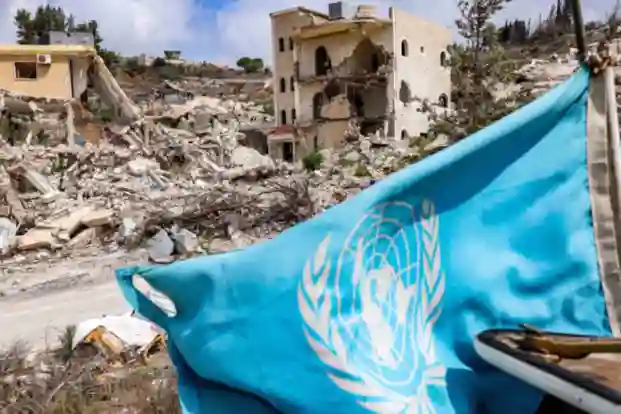
Military analysts suggest that potential retaliation could involve missile strikes, drone operations, or actions targeting strategic interests in the region. Iran maintains influence through allied forces in Lebanon, Syria, Iraq, and Yemen, and observers note that any coordinated response could expand the scope of confrontation.
Iranian airspace authorities closed the country’s skies to civilian traffic following the strikes, citing security risks. Airports across major cities reported flight suspensions, adding to disruptions in global aviation routes.
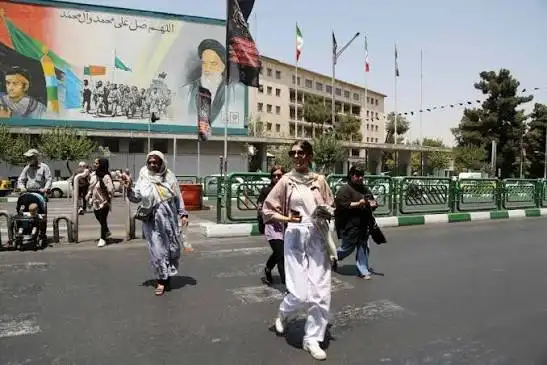
Domestic reaction within Iran reflected a mix of anger and concern. State media broadcast images of damaged infrastructure while emphasizing national unity. Public demonstrations condemning the strikes were reported in several urban centers.
International governments urged restraint as fears of a broader conflict intensified. Diplomatic channels remained active, though officials acknowledged that immediate de escalation would be challenging amid strong rhetoric on both sides.
Energy markets reacted sharply to the prospect of retaliation. Oil prices climbed further, reflecting concerns over possible disruptions to shipping lanes in the Persian Gulf. Investors increasingly turned to safe haven assets as geopolitical uncertainty deepened.
Security experts caution that retaliatory actions could draw additional actors into the conflict, potentially widening it beyond bilateral engagement. The coming days are widely viewed as critical in determining whether the situation ilizes or moves toward a broader regional confrontation.
You May Like














Leave a comment