

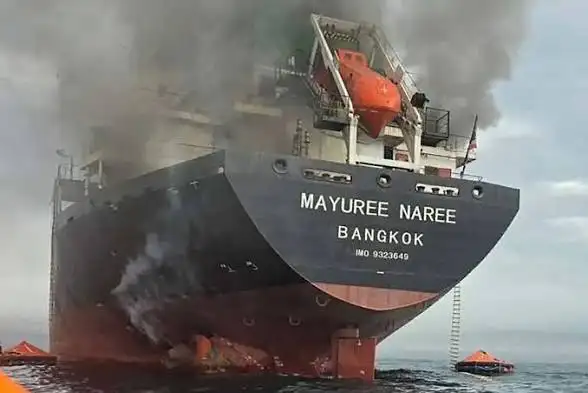
Iran has reportedly deployed additional naval mines in the Strait of Hormuz, heightening concerns about maritime security in one of the world’s most critical energy transit routes. Military analysts monitoring the region say the new mines appear to be part of a broader strategy aimed at increasing pressure on international shipping as the wider conflict involving Iran, the United States, and Israel continues to expand. The narrow waterway remains a vital passage for global energy supplies, and any disruption there carries immediate implications for the international economy.
Officials in several Gulf countries have reported intensified surveillance activity around key shipping lanes as regional navies work to identify and monitor potential hazards. Commercial vessels moving through the strait have been advised to follow designated transit corridors while maintaining close communication with international maritime authorities. The added naval mines are believed to have been placed in areas that could complicate safe passage for large tankers, prompting renewed coordination among naval forces operating in the region.

Security experts warn that the deployment of additional mines increases the possibility of maritime incidents that could further escalate tensions. The Strait of Hormuz is already under heavy monitoring by multinational naval patrols, and the presence of underwater explosives introduces new risks for both military vessels and commercial shipping fleets. Specialists in maritime security note that mines can remain active for extended periods and are often difficult to detect without specialized equipment.
The growing concern over maritime safety has prompted discussions among global shipping companies and insurance providers about possible route adjustments. Some tanker operators are reportedly reviewing contingency plans that could involve delaying voyages or rerouting shipments when possible. These decisions are complicated by the strategic importance of the strait, which serves as a key gateway for oil exports from several major energy producing nations in the Gulf region.
Diplomatic efforts are also intensifying as governments attempt to prevent the situation from spiraling into a wider maritime crisis. International organizations and regional partners are urging restraint while emphasizing the importance of keeping commercial sea lanes open. Analysts say the continued deployment of naval mines could become a major flashpoint in the broader conflict if maritime traffic is disrupted or if vessels encounter explosive devices during transit.



















Leave a comment