

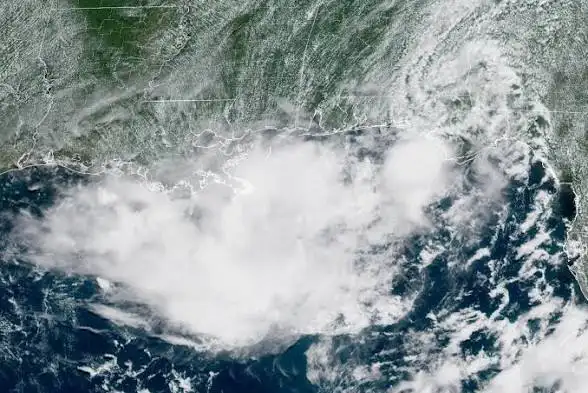
Authorities across Gulf nations have heightened preparedness measures amid growing concerns over potential disruptions to critical water and power infrastructure. Officials emphasized the importance of safeguarding desalination facilities and electricity networks, which are vital for daily life and economic activity. Governments signaled that contingency planning has intensified as regional tensions continue to influence security assessments.
Energy and water ministries have begun coordinating closely with security agencies to reinforce protective measures around key facilities. Desalination plants, which supply much of the region’s potable water, have been identified as particularly sensitive assets. Officials indicated that additional monitoring systems and emergency protocols are being activated to ensure rapid response capabilities in the event of operational threats or technical disruptions.
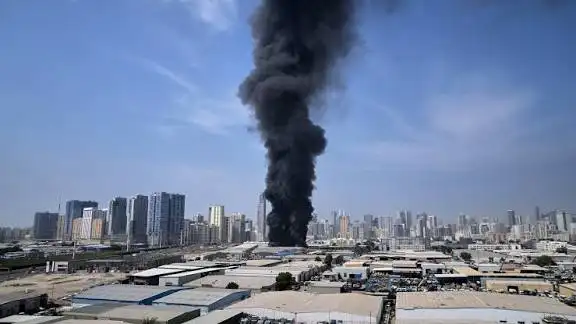
Regional power grids are also under scrutiny as authorities assess vulnerabilities and enhance resilience. Experts noted that interconnected systems can both support ility and present risks if disruptions spread across borders. Governments are reportedly conducting stress tests and simulations to evaluate how networks would respond under various scenarios, including sudden supply interruptions or infrastructure damage affecting transmission capacity.
Public communication campaigns have been launched in some areas to encourage conservation of water and electricity resources. Officials stressed that precautionary measures are intended to reduce strain on systems during periods of uncertainty. Residents have been advised to remain informed through official channels while avoiding panic, as governments aim to maintain public confidence in the reliability of essential services.
Private sector operators have joined efforts to strengthen infrastructure protection, with utility companies reviewing operational protocols and backup systems. Industry representatives highlighted the importance of redundancy in both water production and electricity generation to prevent service interruptions. Investments in technology and maintenance have been accelerated to ensure facilities remain functional under challenging conditions.
International partners are also engaging with Gulf states to provide technical support and share expertise in infrastructure security. Collaborative initiatives include information sharing on risk management and strategies to enhance system resilience. Analysts noted that global attention has focused on the region due to its strategic importance for both energy exports and essential resource management systems.
Observers believe that sustained vigilance will be necessary as the regional situation evolves. While no widespread disruptions have been confirmed, the emphasis on preparedness reflects the critical role of infrastructure in maintaining ility and economic continuity. Experts concluded that proactive planning and coordination will be key in mitigating potential impacts on populations and industries throughout the Gulf region.



















Leave a comment