

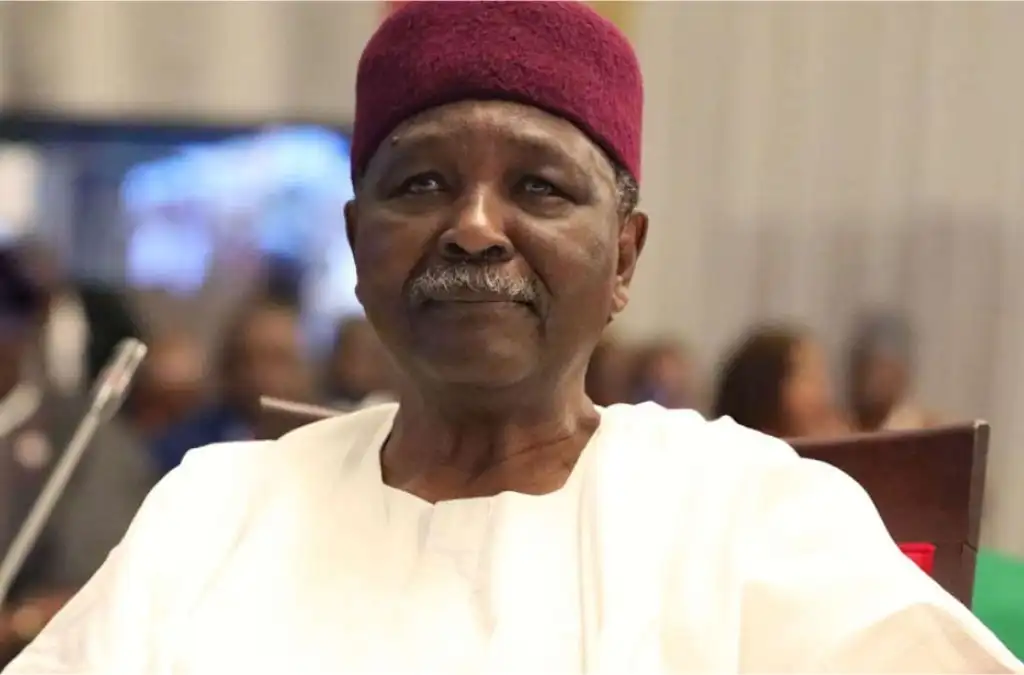
Former Nigerian Head of State General Yakubu Gowon has reopened debate over the events that led to the Nigerian Civil War, accusing late Biafran leader Chukwuemeka Odumegwu Ojukwu of frustrating repeated attempts to preserve national unity through peaceful dialogue.
In his autobiography titled My Life of Service and Allegiance, Gowon offered a personal account of the political tensions, constitutional disagreements and mistrust that pushed Nigeria toward the 1967 to 1970 Civil War. He claimed that despite several efforts by the federal military government to resolve the crisis peacefully, Ojukwu consistently blocked progress.

According to Gowon, the federal government entered the January 1967 Aburi meeting in Ghana with genuine hopes of national reconciliation after the violence and ethnic ings that followed the military coups of 1966. The meeting, facilitated by former Ghanaian leader Joseph Arthur Ankrah, brought together senior Nigerian military officers to discuss the future of the country.
Gowon stated that problems emerged after the meeting when both parties interpreted the Aburi discussions differently. He argued that Ojukwu’s interpretation of the agreement would have weakened the authority of the federal government and endangered Nigeria’s unity.
The former Head of State maintained that his administration continued to seek peaceful solutions even as regional tensions escalated. He also defended the creation of 12 states before Biafra’s declaration, saying the move was designed to protect minority groups and give them a stronger sense of belonging within Nigeria.
Gowon acknowledged the suffering experienced by Eastern Nigerians during the period, especially following s on Igbos living outside the Eastern Region. However, he insisted that the breakup of Nigeria was never an option his government could accept.
He further defended the federal government’s “No Victor No Vanquished” policy after the war, stressing that reconciliation and reintegration were necessary to heal the nation after years of conflict and humanitarian tragedy.















Leave a comment