


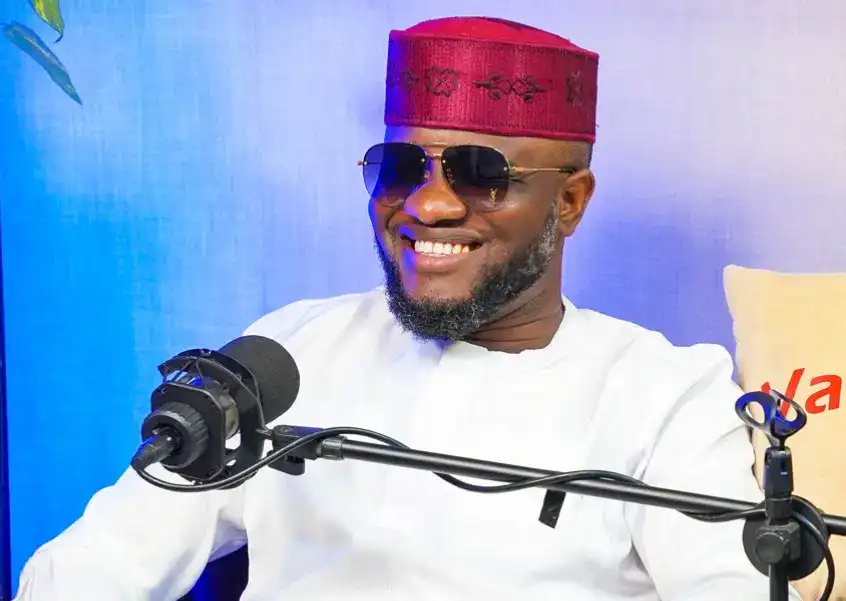
Nigerian rapper Illbliss has issued a passionate plea for greater acceptance of non-indigenous residents across the country, warning that tribalism and ethnic bigotry continue to undermine national cohesion decades after independence. Speaking on a recent episode of the Outside The Box podcast, the veteran hip hop artist challenged inflammatory rhetoric targeting people living outside their states of origin.
Using the Igbo community in Lagos as a prime example, Illbliss underscored the substantial economic contributions made by non-indigenes to their host states. The ‘Aiye Po Gan’ crooner painted a stark picture of what Lagos might look like without its Igbo population, suggesting the commercial hub would struggle without their involvement in trade and commerce. His comments come at a time when ethnic tensions periodically flare up in Nigeria’s most populous city, often fueled by inflammatory social media discourse and politically motivated statements.
The rapper expressed dismay at persistent calls for non-indigenes to leave Lagos and return to their ancestral states. Such sentiments, he argued, reflect a troubling failure of Nigerians to embrace the diversity that should be a source of national strength. After decades of living together as one nation, the persistence of tribal and religious divisions represents a fundamental betrayal of the country’s potential, according to the artist.
Illbliss went further, questioning whether Nigeria’s current predicament should prompt deeper reflection about the viability of the country as a single entity. His philosophical musings reflect growing frustration among many Nigerians who see ethnic and religious divisions as obstacles to meaningful progress. The entertainment industry, traditionally seen as a unifying force across ethnic lines, has increasingly become a platform for artists to voice concerns about national cohesion and governance.
Lagos State, as Nigeria’s economic nerve center, has long been a melting pot of ethnicities, languages, and cultures. Economic opportunities have drawn people from across the country to the coastal megacity, creating a complex tapestry of indigenous Yoruba residents and settlers from other regions. Among these groups, Igbo entrepreneurs have built extensive business networks spanning manufacturing, retail, real estate, and technology sectors.
As Nigeria grapples with economic challenges and political uncertainty, voices like Illbliss’s serve as reminders that national progress requires transcending ethnic boundaries. Whether his call for greater accommodation will resonate beyond social media commentary remains to be seen, but his intervention adds to a growing chorus of public figures urging Nigerians to prioritize unity over division. How the country navigates these persistent fault lines may well determine its trajectory in the coming decades.
You May Like













Leave a comment