


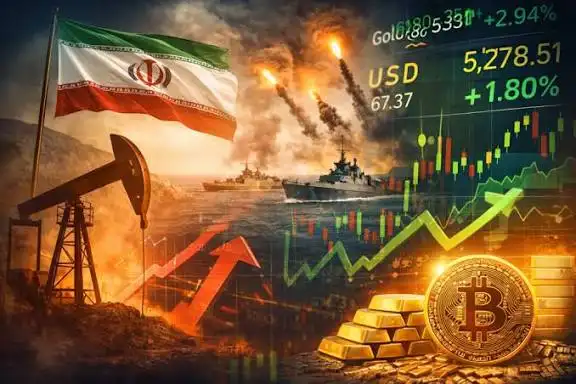
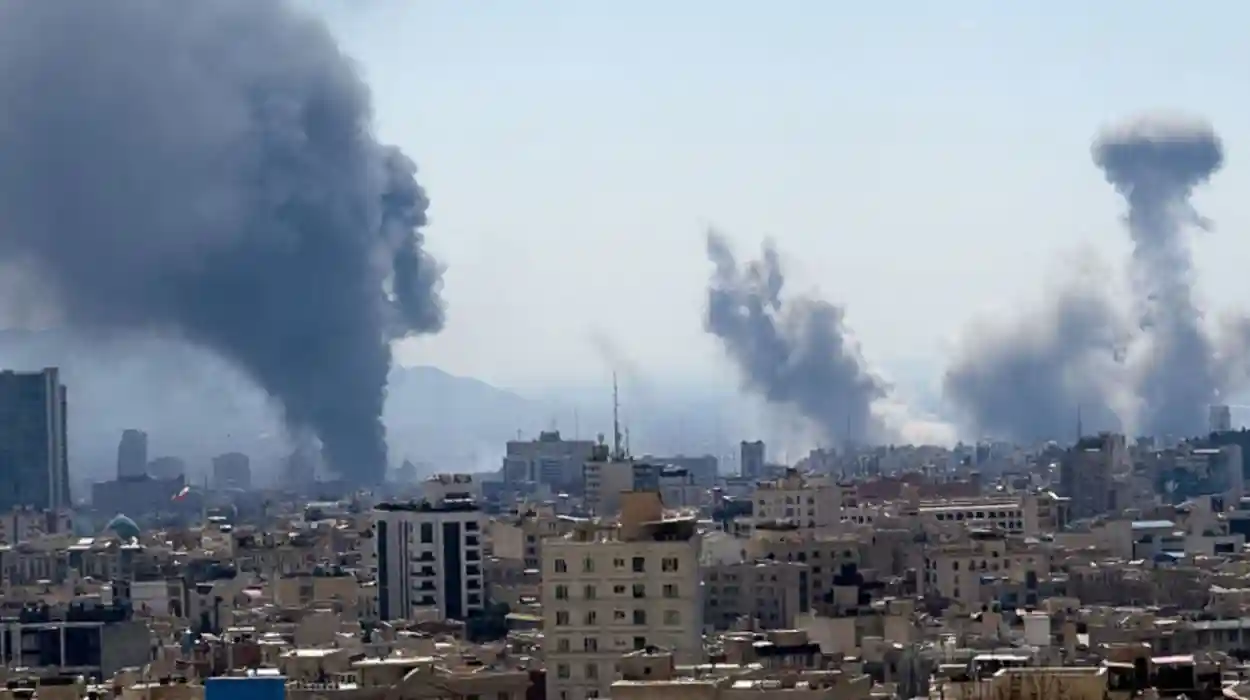
Global financial markets are experiencing continued volatility as investors react to uncertainty surrounding energy supply and geopolitical developments in the Middle East. The ongoing confrontation involving Iran, Israel, and the United States has created concern about potential disruptions to oil production and transportation routes. Financial institutions and market analysts say the situation is contributing to rapid ces in investor sentiment across stock markets, commodity exces, and currency trading platforms.
Equity markets in several major financial centers have shown fluctuating performance as traders attempt to assess the economic impact of rising energy prices. Energy related companies have attracted strong investor attention while sectors dependent on fuel intensive operations are facing increased scrutiny. Analysts note that when energy costs rise sharply, industries such as transportation, manufacturing, and logistics can experience pressure on profit margins.

Currency markets have also responded to the evolving situation as investors adjust positions in response to shifting global risk conditions. Some currencies associated with energy exporting nations have strengthened during periods of higher oil prices, while currencies tied to energy importing economies have faced downward pressure. These movements reflect how closely financial markets are linked to developments in global commodity supply.
Market volatility has extended into bond markets and investment funds as institutions reconsider portfolio strategies during the period of uncertainty. Financial advisors and economists are closely monitoring how prolonged fluctuations might influence investment flows, corporate borrowing costs, and economic growth forecasts. The broader financial system often reacts quickly when geopolitical developments threaten major supply chains.
Economic policymakers and central banks are watching market behavior carefully as they evaluate potential risks to financial ility. While many institutions emphasize that global markets remain resilient, the combination of geopolitical tension and energy market uncertainty continues to create a cautious investment environment. Analysts say markets are likely to remain sensitive to developments in the Middle East as investors seek clearer signals about the future direction of the conflict.


















Leave a comment