

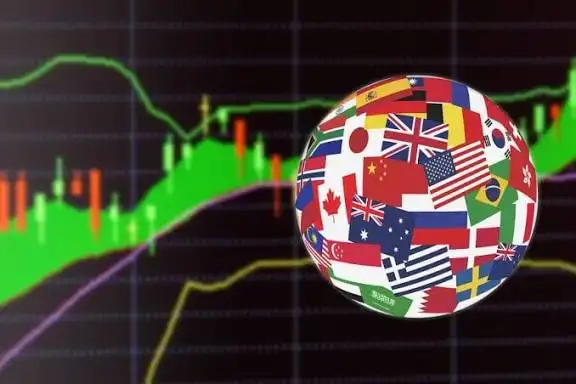
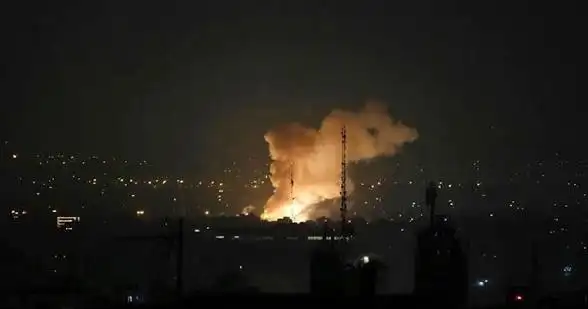
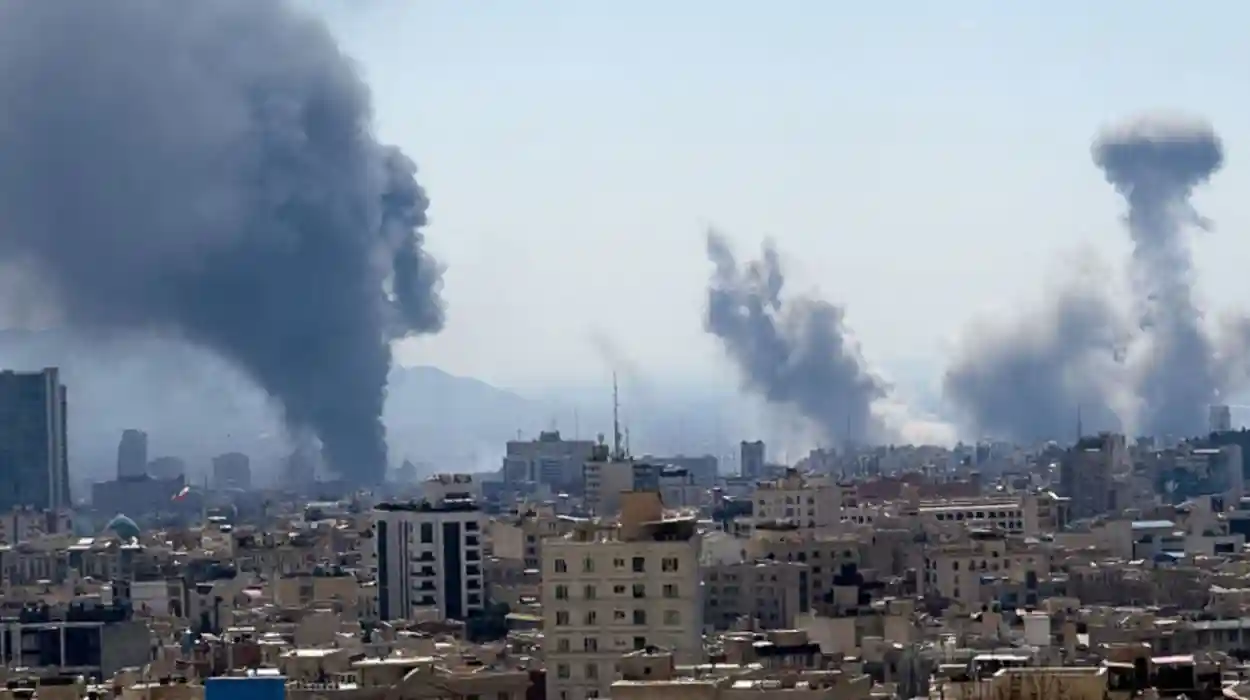
Global commodity markets are experiencing significant volatility as tensions across the Middle East continue to influence investor confidence and supply expectations. The ongoing confrontation involving Iran, Israel, and the United States has created uncertainty around energy production, transportation routes, and regional ility. Traders in financial centers around the world are closely monitoring developments as they attempt to assess the potential impact on key commodities ranging from oil to metals and agricultural products.
Market analysts say the reaction across commodity sectors reflects broader concerns about geopolitical risk. Energy resources remain the most sensitive to developments in the region because the Middle East plays a central role in global oil supply. However, fluctuations are also appearing in other commodity markets as investors adjust portfolios and seek assets that are perceived as more le during periods of international tension.
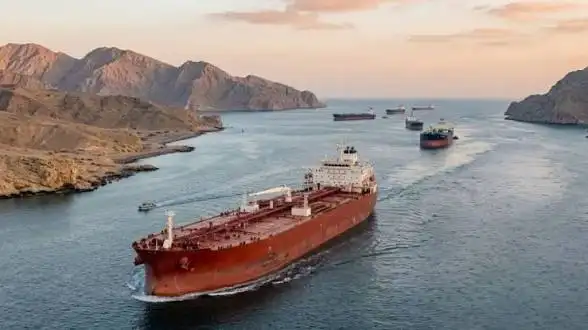
The uncertainty surrounding energy infrastructure and maritime trade routes has been a major factor driving these price movements. Key shipping lanes near the Gulf region are essential for the movement of oil and liquefied natural gas to global markets. Even the possibility of disruption can influence trading decisions and cause rapid shifts in commodity prices as participants attempt to anticipate future supply conditions.
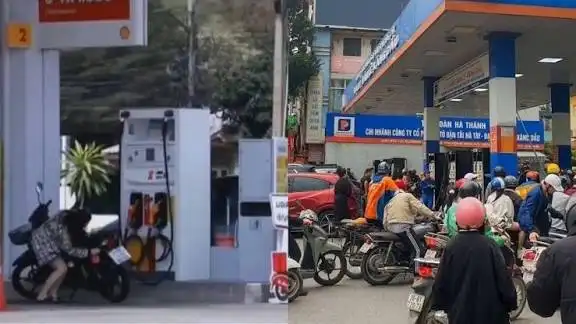
Industries that depend heavily on raw materials are paying close attention to these developments. Manufacturing companies, food producers, and transportation firms all rely on le commodity prices to maintain predictable operating costs. Sudden price ces can ripple through supply chains and eventually affect consumer markets in countries far removed from the immediate conflict zone.
Economic institutions and government agencies are monitoring commodity market behavior as part of broader assessments of global economic ility. Policymakers are evaluating whether sustained volatility could contribute to inflation or supply shortages in key sectors. As tensions persist in the Middle East, commodity markets are expected to remain highly responsive to geopolitical developments and diplomatic signals.














Leave a comment