

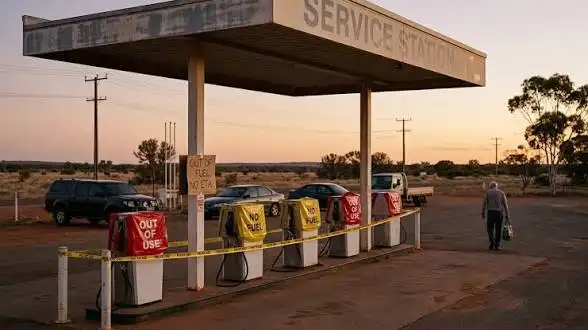
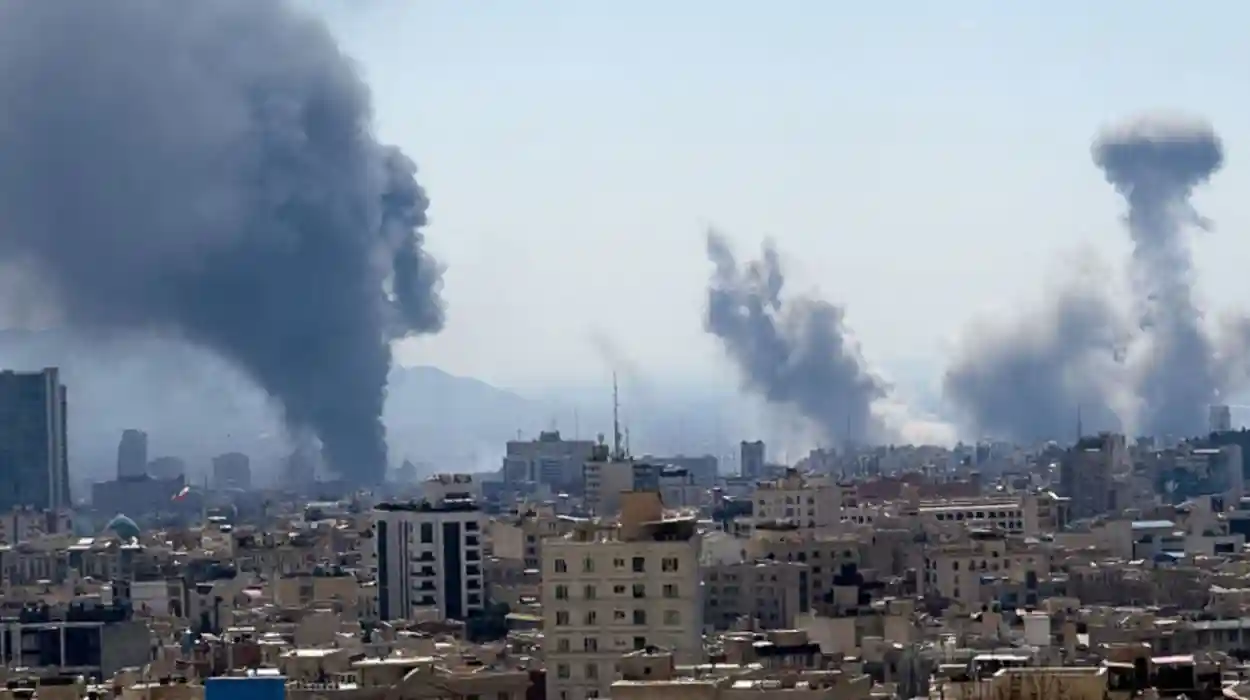
Fuel stations across Australia are reporting widespread shortages as the ongoing global energy crisis, driven by regional conflicts, continues to disrupt supply chains. Dozens of stations in major cities and regional areas have experienced limited availability of petrol and sel, prompting concerns over transportation, logistics, and daily commuting for both individuals and businesses nationwide.
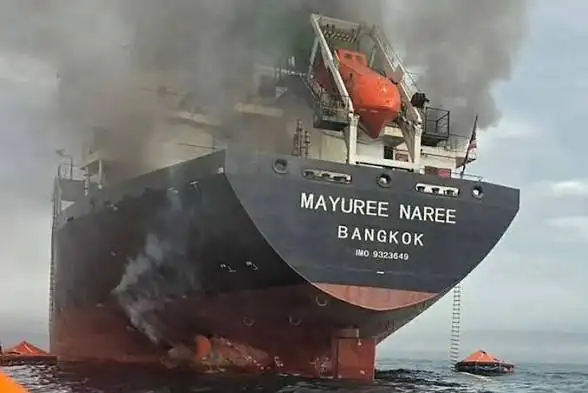
Industry sources indicate that the shortages are linked to delayed imports and constrained refinery outputs, which have been exacerbated by geopolitical tensions affecting key oil producing regions. The reduction in supply has forced distributors to ration fuel, with priority given to essential services and critical infrastructure to maintain continuity of operations.
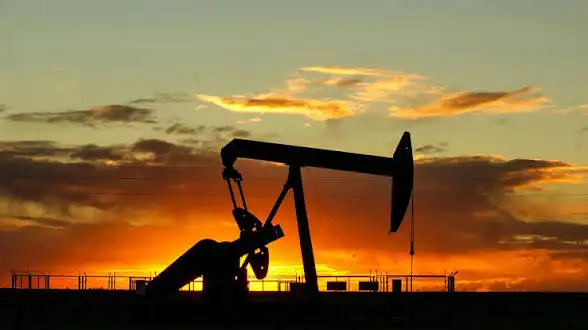
Commuters and commercial transport operators have expressed frustration at long queues and inconsistent availability at filling stations. Authorities have issued advisories urging drivers to plan trips carefully and conserve fuel where possible, while encouraging the public to remain calm as distribution efforts are adjusted to address the shortages.
Economic analysts warn that persistent fuel scarcity could have a cascading effect on broader markets. Increased transportation costs may raise prices for goods and services, affecting supply chains for food, manufacturing, and other essential sectors, while consumer confidence may be impacted by prolonged uncertainty over fuel availability.
Government officials are coordinating with energy suppliers to expedite deliveries and identify alternative sources of fuel. Contingency measures include temporary reallocation of reserves, logistical adjustments, and monitoring of import channels to minimize disruption while ensuring that essential sectors continue to operate effectively despite supply constraints.
The crisis has also highlighted Australia’s vulnerability to global energy shocks and the importance of strategic planning for fuel security. Experts suggest that longer term solutions may involve investment in domestic refining capacity, diversified import sources, and alternative energy options to reduce reliance on volatile international markets.
As the situation evolves, consumers and businesses are advised to stay informed through official channels while authorities continue to implement measures to ilize supply. The intersection of global tensions and local fuel access underscores the broader impact of geopolitical inility on everyday life and economic resilience.

















Leave a comment