

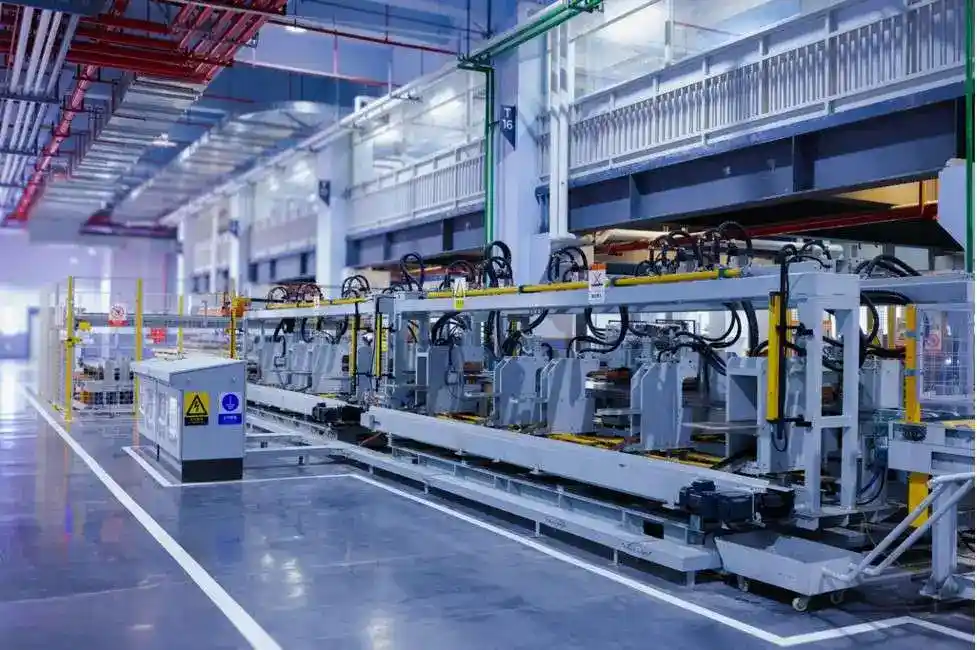
Foreign investment into Nigeria’s manufacturing sector has declined significantly over the past two years, raising concerns about weakening investor confidence in the real economy despite a broader surge in total capital inflows.
Data from the National Bureau of Statistics shows that capital importation into the production and manufacturing sector dropped by 51.44 percent to $772.45 million in 2025, down from $1.59 billion recorded in 2023. The decline has been steady, with inflows falling to $1.43 billion in 2024 before plunging further in 2025.

The sector’s share of total capital importation has also shrunk dramatically, dropping from 49.73 percent in 2023 to 11.58 percent in 2024, and further to just 3.33 percent in 2025. Analysts describe this as a major structural shift in investment patterns, with foreign investors increasingly avoiding long term industrial commitments.
This trend is particularly striking given the overall growth in capital inflows into Nigeria. Total capital importation rose from $3.91 billion in 2023 to $12.32 billion in 2024, and nearly doubled again to $23.22 billion in 2025.
A c look at fourth quarter 2025 data highlights the imbalance. Total inflows reached $6.44 billion, with portfolio investments dominating at $5.49 billion, accounting for over 85 percent of the total. In contrast, Foreign Direct Investment stood at just $357.80 million, reflecting limited interest in long term productive sectors like manufacturing.
Sectoral analysis shows that the banking sector attracted the largest share of inflows at $3.85 billion, followed by the financing sector at $1.94 billion. Meanwhile, manufacturing received only $308.93 million, representing less than 5 percent of total inflows during the quarter.
Experts warn that the continued decline in manufacturing investment could undermine Nigeria’s industrialisation goals and efforts to diversify the economy away from oil dependence. They emphasize that without targeted reforms to improve infrastructure, policy consistency, and ease of doing business, the sector may struggle to attract sustainable foreign investment.
The growing preference for short term financial instruments over real sector investments signals a need for urgent policy adjustments to restore investor confidence and support long term economic growth.


















Leave a comment