

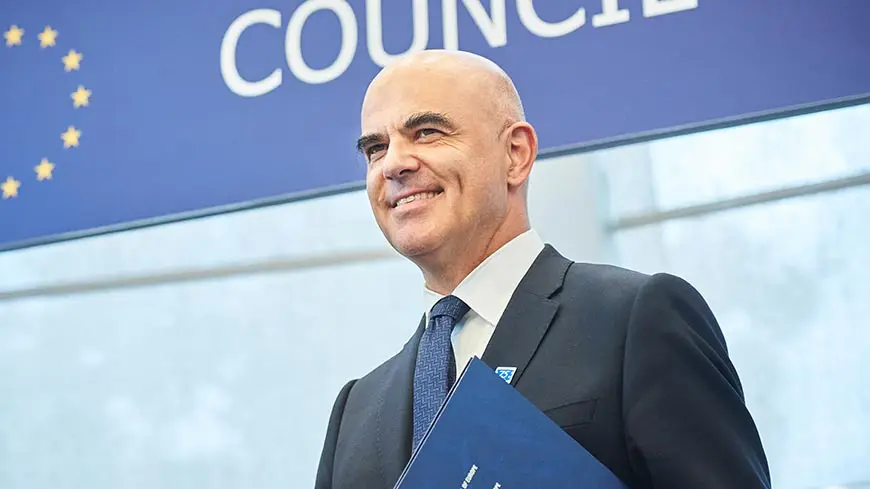
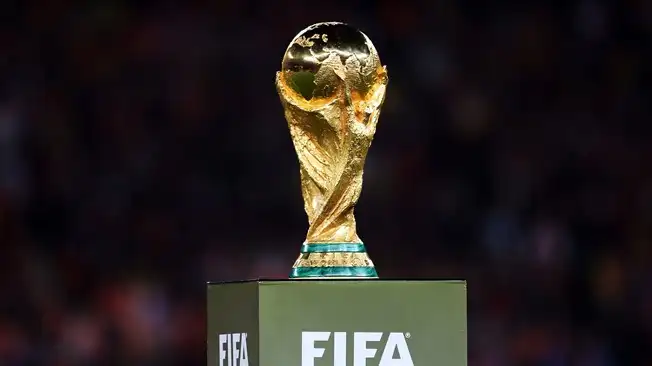
Fifa has been accused of providing an open door to fraud and allowing political influence to cast doubt on the integrity of the World Cup in a devastating rebuke from one of Europe’s most senior institutional figures. Alain Berset, Secretary General of the Council of Europe, published a stinging open letter timed to coincide with Sunday’s World Cup final, calling into question the governing body’s commitment to sporting integrity and demanding urgent reform before the 2030 tournament.
Berset’s intervention represents a remarkable breach of diplomatic protocol given that Fifa and the Council of Europe signed a memorandum of understanding in 2018 committing to work together on human rights, integrity and good governance in sport. Open criticism of one partner by another is virtually unprecedented in such relationships. The Swiss official warned that Fifa was embroiled in a crisis involving money and power, cataloguing a litany of controversies that have overshadowed the tournament. His letter painted a picture of an organization that has lost its way, allowing commercial imperatives and political pressure to override the fundamental principles of fair play.
Central to Berset’s critique is Fifa’s partnership with ADI Predictstreet, which became the World Cup’s official prediction market partner in April. He took particular aim at the expansion of betting beyond traditional match results to include granular events such as individual passes, cards and corners. Betting has moved from the result of a match to moments a single player can produce without cing the score, Berset wrote. A bet is won by making others lose. It is an open door to fraud. And this World Cup has opened the door wider. The comments reflect growing concern among regulatory bos about the integrity risks posed by microbetting markets, which create incentives for players to manipulate minor in game events that have no bearing on the final outcome.
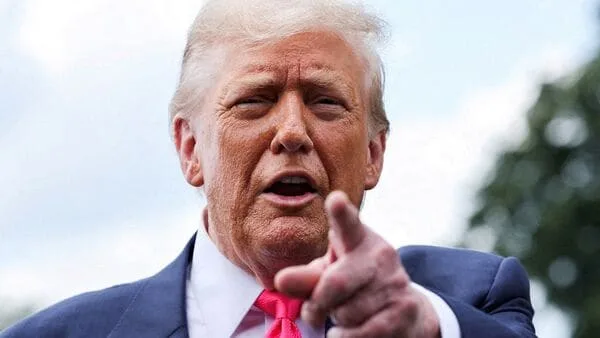
Berset also referenced the scandal surrounding Fifa’s decision to shelve the suspension of USA striker Folarin Balogun, a reversal that occurred after a phone call between Fifa President Gianni Infantino and US President Donald Trump. When the rules bend under pressure, every result is open to doubt, Berset wrote. While Infantino has insisted the decision was taken independently by Fifa’s disciplinary committee based on applicable regulations and specific facts, the optics of presidential intervention have damaged confidence in the process. Berset made apparent allusions to racist comments about players from elected officials, including reported remarks by Paraguayan senator Celeste Amarilla about Kylian Mbappé and by former Spanish prime minister Mariano Rajoy about the France team.
The letter’s broader argument is that commercial pressures and political interference have combined to create a perfect storm threatening the credibility of international football’s flagship event. Berset framed his criticism in stark terms, writing that the Fifa World Cup 2026 has raised question after question. A sanction suspended under pressure, within days, with no reasons given. The authority of referees called into question. Racist abuse of players, some of it from elected officials. Betting on every pass, every card, every corner. The celebration will end tonight. The questions will not. His critique arrives just over a week after 72 members of the European Parliament wrote to the 27 EU based football associations requesting an investigation into Infantino’s involvement in the Balogun case, citing alleged breaches of political neutrality and potential violations of Fifa’s own code of ethics.
Looking ahead, Berset has proposed a working dialogue that starts tonight to begin the urgent work of strengthening the integrity of sport before future World Cups. He invoked the Council of Europe’s track record in creating binding international treaties, including fan safety legislation developed three months after the Heysel Stadium disaster in 1985, as well as subsequent frameworks to tackle doping and match fixing. With the 2030 World Cup scheduled to be staged mainly in Europe, the continental human rights organization clearly sees an opportunity and an obligation to push for meaningful reform. Whether Fifa will engage substantively with these concerns or dismiss them as politically motivated interference remains to be seen, but the questions Berset has raised are unlikely to disappear when the final whistle blows on Sunday’s showpiece match.







Leave a comment