

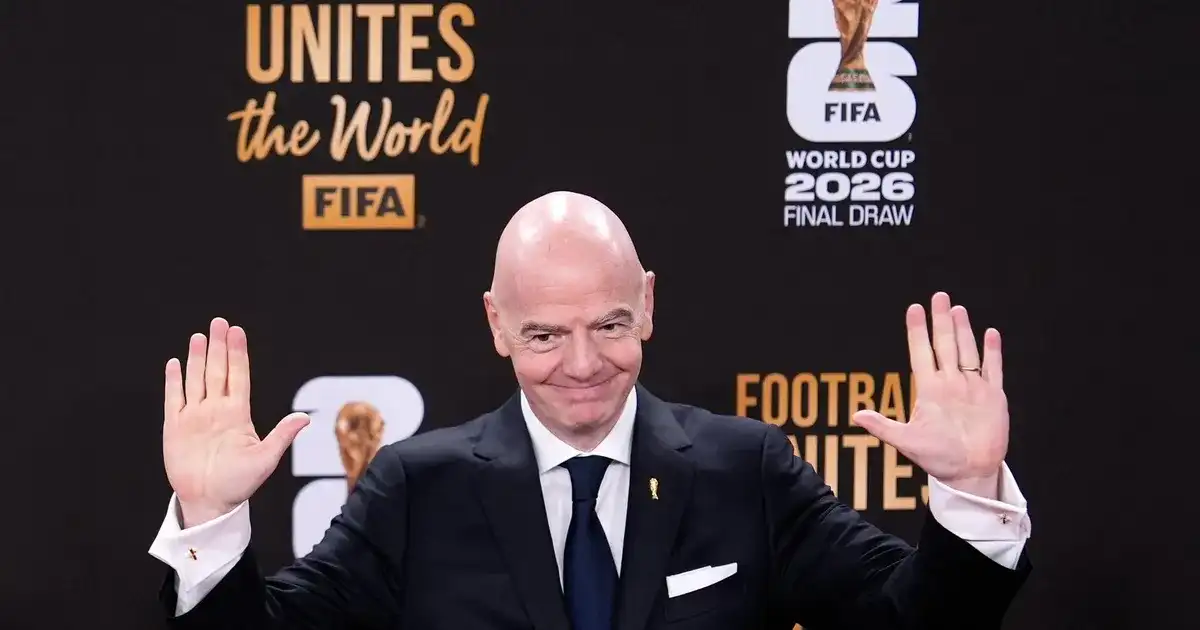
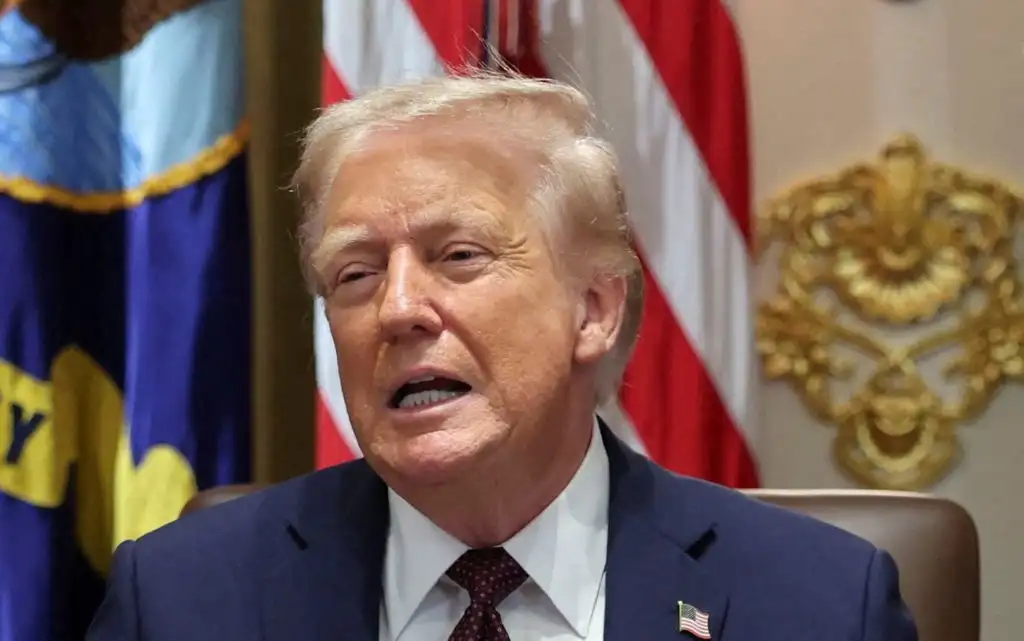
Nearly a week after the United States became the final co-host nation eliminated from World Cup 2026, football’s governing body remains mired in controversy over its extraordinary decision to overturn striker Folarin Balogun’s automatic red card suspension. FIFA took the virtually unprecedented step of suspending the forward’s ban following direct intervention from US President Donald Trump, despite the organization’s own statutes explicitly forbidding political interference in football matters. The decision has sparked widespread criticism from senior figures within the sport and raised fundamental questions about the integrity of FIFA’s judicial processes.
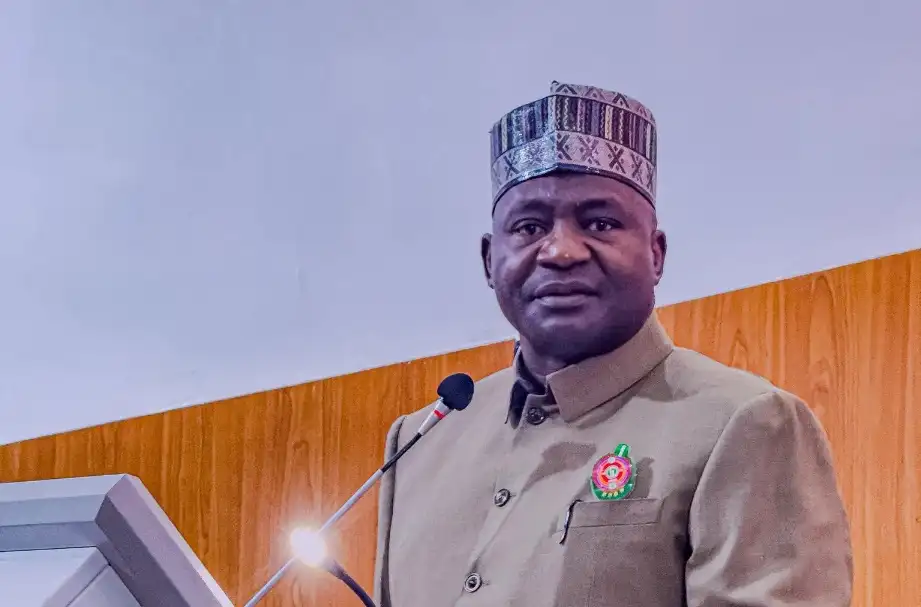
FIFA President Gianni Infantino mounted a vigorous defense of the process, insisting that the organization’s judicial bos operate with complete independence. He emphasized that their autonomy remains essential to the credibility and integrity of football itself. According to FIFA’s official communications, the decision was made by the organization’s 18 member disciplinary committee. However, reporting from The Times of London revealed on Monday that the committee’s chairman, Mohammad al-Kamali, actually made the call unilaterally, without consulting other committee members. Further investigation by the Financial Times disclosed that the body’s last 110 published decisions were all made by a single individual, with al-Kamali granted sweeping authority to make rulings alone or delegate that power at his discretion.

The lack of transparency surrounding the Balogun decision has become a flashpoint for critics. Senior football officials have openly questioned why FIFA has refused to publish written reasoning for overturning the suspension, marking the first time since automatic red card suspensions were introduced to World Cup competition that such a ban has been lifted. Al-Kamali, a lawyer from the United Arab Emirates with strong governmental ties to Washington, leads a committee ostensibly composed of legal experts, practicing attorneys, and officials from various football federations. Yet the true distribution of power within this supposedly independent body now appears concentrated almost entirely in the hands of its chairman, raising troubling questions about checks and balances within FIFA’s governance structure.
Despite these governance controversies casting a shadow over the tournament, the newly expanded 48 team format has been widely praised for its on-field quality and competitive balance. Infantino has seized on this positive reception to float the possibility of further expansion to 64 teams for the 2030 men’s World Cup. Speaking to Swiss broadcaster blue Sport, the FIFA president framed expansion as a matter of global inclusion, arguing that every nation should be allowed to dream of participating in football’s premier tournament. He pointed to the performance of African teams, with nine out of ten reaching the knockout rounds, as evidence that the quality gap between traditional powers and emerging nations continues to narrow.
Yet the statistics tell a more nuanced story about competitive parity at the expanded tournament. While African representation in the knockout stages reached historic levels, only two of nine Asian teams advanced from the group stage, and just one nation from outside Europe and South America, Morocco, reached the quarterfinals. South American governing body CONMEBOL formally proposed expanding to 64 teams in April 2025, though FIFA has yet to make a final decision on the format for 2030. That tournament itself represents an unprecedented logistical challenge, with Spain, Portugal and Morocco serving as primary co-hosts while Argentina, Uruguay and Paraguay each host a single opening match, ostensibly to celebrate the World Cup’s centenary.
The broader implications of FIFA’s recent actions extend well beyond a single overturned red card or even tournament expansion. The organization’s willingness to bend elished rules following political pressure from a head of state undermines the very independence Infantino claims to champion. Meanwhile, the convoluted hosting arrangement for 2030, spanning three continents simultaneously, appears designed less for sporting or commemorative reasons than to clear the path for Saudi Arabia to host in 2034 by ensuring Europe, South America and Africa all receive hosting opportunities in the same cycle. As FIFA navigates these intertwined controversies over governance, expansion and geopolitics, the fundamental question remains whether the organization can maintain credibility while pursuing growth and influence at seemingly any cost. How football’s governing body addresses transparency concerns and reasserts institutional independence in the coming months may well determine whether this World Cup is remembered primarily for its competitive success or as a watershed moment in FIFA’s troubled relationship with political power.
You May Like











Leave a comment