


Economic and financial experts have called for stronger accountability from state governors and local government chairmen following increased revenue inflows linked to rising global oil prices and recent economic reforms in Nigeria.
Speaking on the impact of the ongoing United States and Iran conflict, analysts noted that Nigeria now has more funds available due to increased crude oil earnings and the removal of fuel subsidy by the administration of President Bola Ahmed Tinubu.
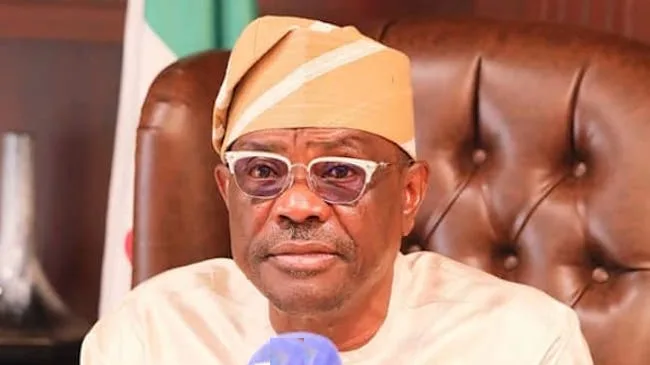
According to the experts, many state governments are currently receiving significantly higher allocations compared to previous years, with some governors reportedly earning three to four times more than before. They argued that despite the increased resources, many states have failed to improve infrastructure, electricity supply, transportation, and public services.
The discussion also focused on the need for state governments to take advantage of constitutional ces allowing states to independently generate electricity. Analysts questioned why many governors continue to complain about inadequate funding despite having more financial freedom and increased allocations.
On the economy, experts maintained that Nigeria’s biggest challenge is not revenue generation but poor management, corruption, and the inability to multiply available resources effectively. They argued that proper management of public funds would significantly improve infrastructure and reduce hardship for citizens.
The role of the Dangote Petroleum Refinery was also highlighted, with commentators describing the refinery as a major relief for Nigeria’s fuel supply crisis. They explained that without the refinery, fuel scarcity and long queues could have worsened despite the rising cost of petrol.
Experts further stressed that Nigeria’s infrastructure challenges, including poor roads, weak rail systems, unle electricity, and rising sel costs, continue to increase business expenses and food prices across the country.
On investment and wealth creation, financial analysts encouraged Nigerians to prioritize savings, diversify income sources, and invest in assets such as stocks, treasury bills, bonds, and mutual funds. They also emphasized the importance of value creation, financial management, and innovation in sustaining businesses across generations.
Assessing the Tinubu administration after three years in office, some experts rated the government positively for economic reforms such as subsidy removal, tax reforms, and exce rate policies, while insisting that implementation and infrastructure development remain key challenges.


















Leave a comment