

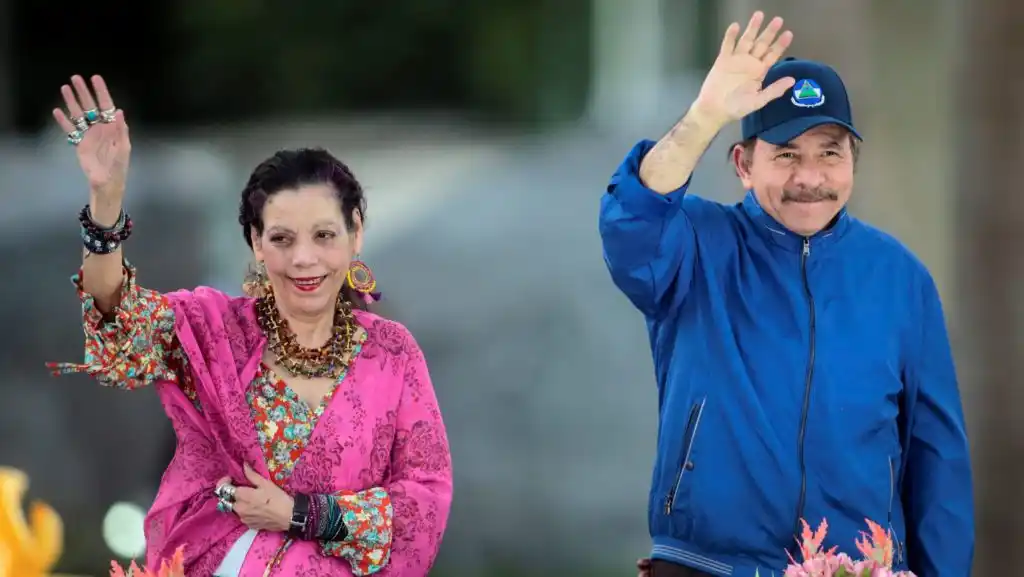
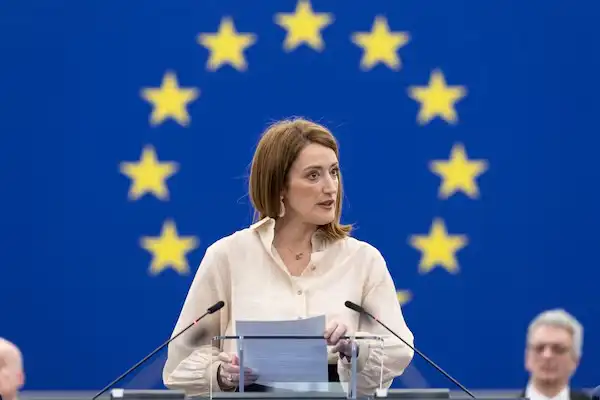
In an unprecedented shift from diplomatic caution to direct confrontation, the European Parliament has voted to pursue aggressive economic and legal action against, signaling that patience with Daniel Ortega and Rosario Murillo has finally run out. Lawmakers from across the political spectrum have united to activate the democratic clause that could terminate Nicaragua’s preferential trade agreement with Europe, threatening more than $300 million in annual tariff free exports and potentially crippling key sectors of the country’s economy.
The resolution marks a dramatic escalation in European response to what parliamentarians describe as systematic human rights violations, including arbitrary detention, forced disappearances, show trials, forced exile, denationalization, and property confiscation. Members of the European Parliament cited international reports suggesting these practices may constitute crimes against humanity, demanding immediate criminal investigations and accountability for senior regime officials. Fueling the parliament’s outrage was the death in state custody of indigenous leader Brooklyn Rivera, who disappeared for more than 32 months following his arrest and d in May 2026 under circumstances that remain unexplained and uninvestigated by Nicaraguan authorities.
The parliamentary resolution specifically demands the immediate release of political prisoners Carlos Ramón Brenes Sánchez and Salvadora del Socorro Martínez Aburto, both sentenced to fifteen years in prison on treason charges widely regarded as politically motivated. Lawmakers are also calling for the unconditional release of all those detained for political reasons, the annulment of sentences deemed arbitrary, and guaranteed access for families, legal representatives, and medical professionals to visit those still imprisoned. An independent investigation into Brooklyn Rivera’s death and the return of his remains to his family represent central demands in the text approved by parliament.
Opposition economist Juan Sebastián Chamorro characterized the resolution as evidence that Nicaragua continues to command significant attention on the international stage despite the regime’s attempts to isolate itself diplomatically. He emphasized the rare political consensus achieved across the European Parliament, with support coming from center right, liberal, social democratic, conservative, and green political blocs. According to Chamorro, such unified backing across ideological lines demonstrates the severity with which European lawmakers view the human rights situation in Nicaragua and their determination to impose meaningful consequences.
Should the trade agreement suspension move forward, the economic impact on Nicaragua would be substantial and immediate. Chamorro warned that eliminating zero tariff access would severely damage exports of coffee, peanuts, bananas, seafood, and sugar to a European market worth approximately $600 million annually to Nicaraguan producers. Beyond direct trade losses, he predicted accelerated outflows of foreign investment and further deterioration of already strained political dialogue between Nicaragua and the international community. Industries that have built their business models around preferential European market access would face sudden competitive disadvantages that could prove insurmerable.
Combined with sustained pressure from the United States and growing international isolation, the European Parliament’s actions may represent a turning point in efforts to hold the Ortega Murillo government accountable for its treatment of political opposition and civil society. Whether economic strangulation and the threat of international criminal prosecution will force meaningful ce in Managua remains uncertain, but European lawmakers have made clear that the era of diplomatic patience without consequences has definitively ended. As Nicaragua faces the prospect of losing crucial economic lifelines while its leaders confront potential criminal liability, the regime finds itself increasingly cornered with diminishing options for avoiding international accountability.














Leave a comment