

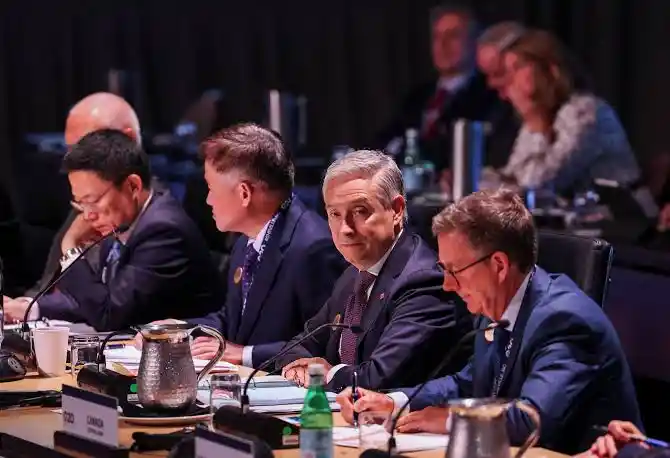
European defense capabilities would suffer a significant decline in effectiveness without United States involvement, Portugal’s Defense Minister Nuno Melo warned on Monday, underscoring the continuing dependence of the continent on American military power despite decades of calls for strategic autonomy. Speaking in Madrid, Melo delivered a pointed reminder of NATO’s critical role in maintaining continental security at a moment when transatlantic relations face unprecedented strain.
The Portuguese minister emphasized that Europe has enjoyed its longest period of sustained peace since World War II, crediting the North Atlantic Treaty Organization with creating a deterrence framework that has successfully prevented major conflict. “Never before has the European continent as a whole, and I am excluding the war in Ukraine, enjoyed such a long period of peace,” Melo stated, according to reports from Spanish news agency EFE. He stressed that NATO as both a deterrence and defense organization has fulfilled its mission exceptionally well, adding bluntly that European defense capabilities simply cannot match their current effectiveness without American participation.
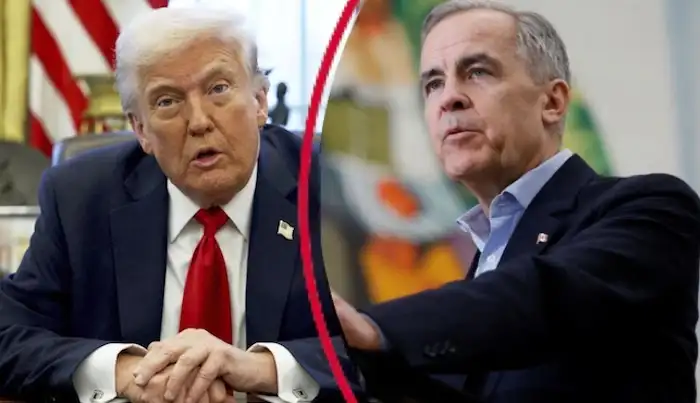
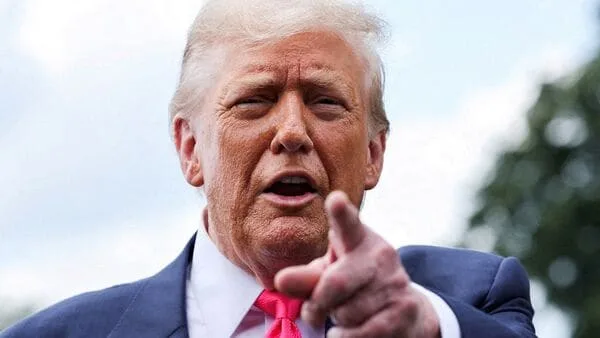
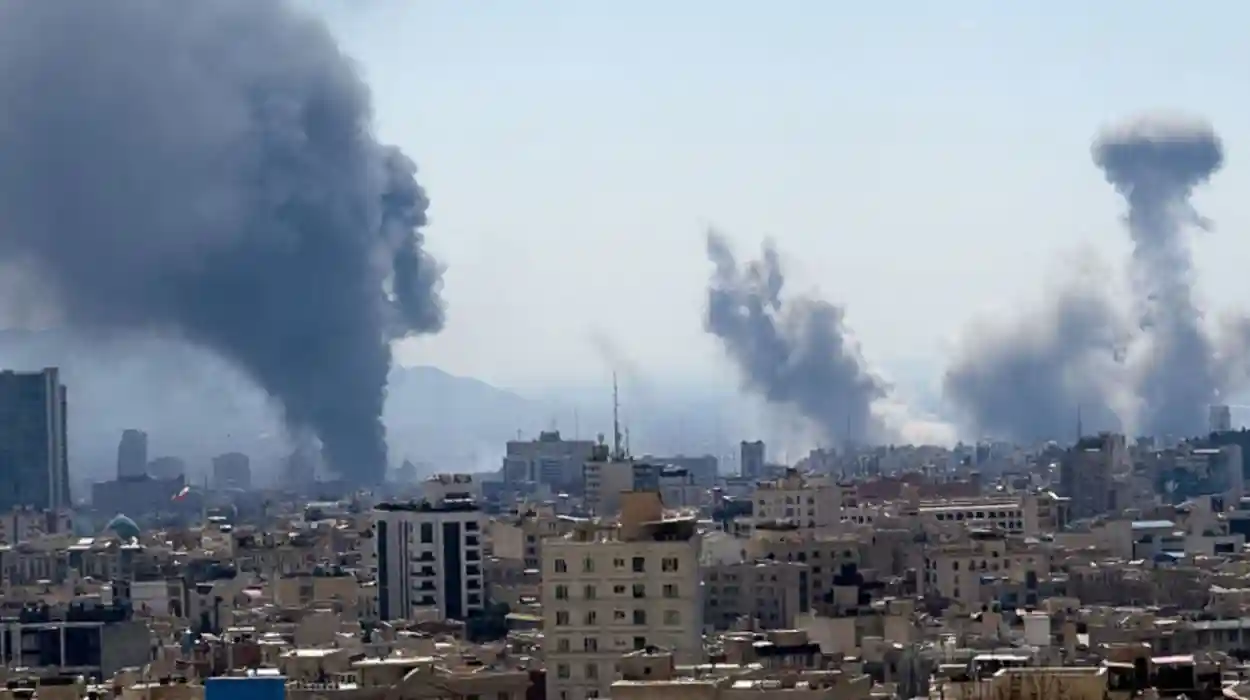
Melo’s comments come against a backdrop of escalating tensions between Washington and its European allies over military burden sharing and strategic commitments. President Donald Trump has recently launched harsh criticism at European nations for their refusal to join American military operations against Iran, with all European Union member states declining to participate in strikes against the Islamic Republic. The American president responded by labeling European allies as cowards and vowing to remember their reluctance when future security discussions arise.
Trump has gone further in his critique of the alliance structure itself, describing NATO as a “paper tiger” in comments that have sent shockwaves through European capitals already grappling with questions about the future of collective security arrangements. The characterization marks a dramatic escalation in rhetoric from an American president toward an alliance that has formed the cornerstone of Western defense policy for more than seven decades. European leaders now face difficult questions about whether they can realistically achieve the military independence many have long advocated.
The rift over Iran represents more than a simple disagreement over a single military operation. It exposes fundamental divergences in how Washington and European capitals view threats, the appropriate use of military force, and the obligations that flow from alliance membership. European nations have sought to maintain diplomatic channels with Tehran and avoid being drawn into what they view as potentially deilizing military confrontations in the Middle East. American policymakers, meanwhile, see European reluctance as evidence of weakness and an unwillingness to shoulder security burdens.
Looking ahead, the current tensions raise profound questions about NATO’s future cohesion and Europe’s ability to chart an independent security course. While European defense spending has increased in recent years, the continent remains far from possessing the integrated military capabilities, logistics infrastructure, and strategic assets needed to replace American contributions. Whether this moment becomes a catalyst for accelerated European defense integration or simply another chapter in the long history of transatlantic friction will likely shape global security architecture for decades to come.
You May Like















Leave a comment