

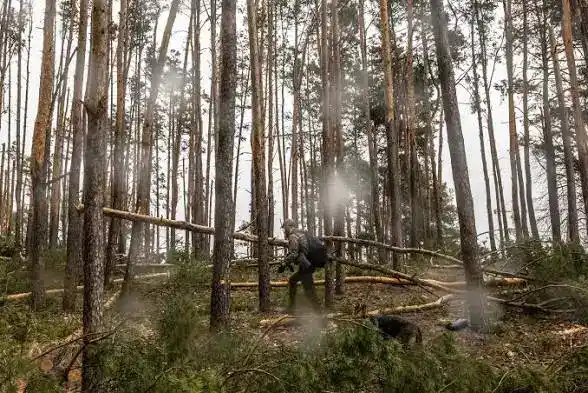
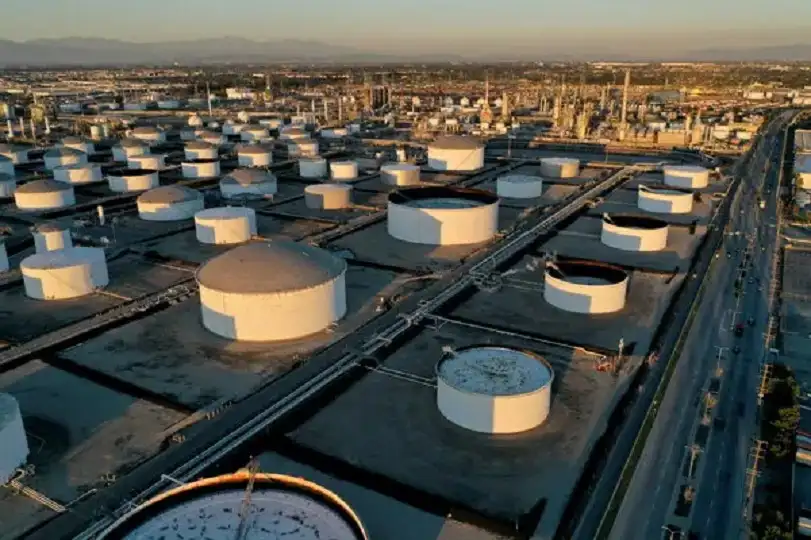
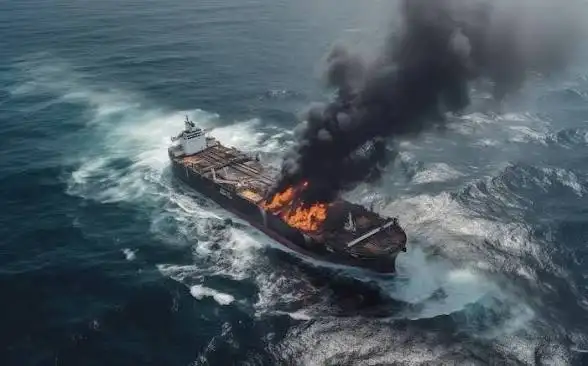
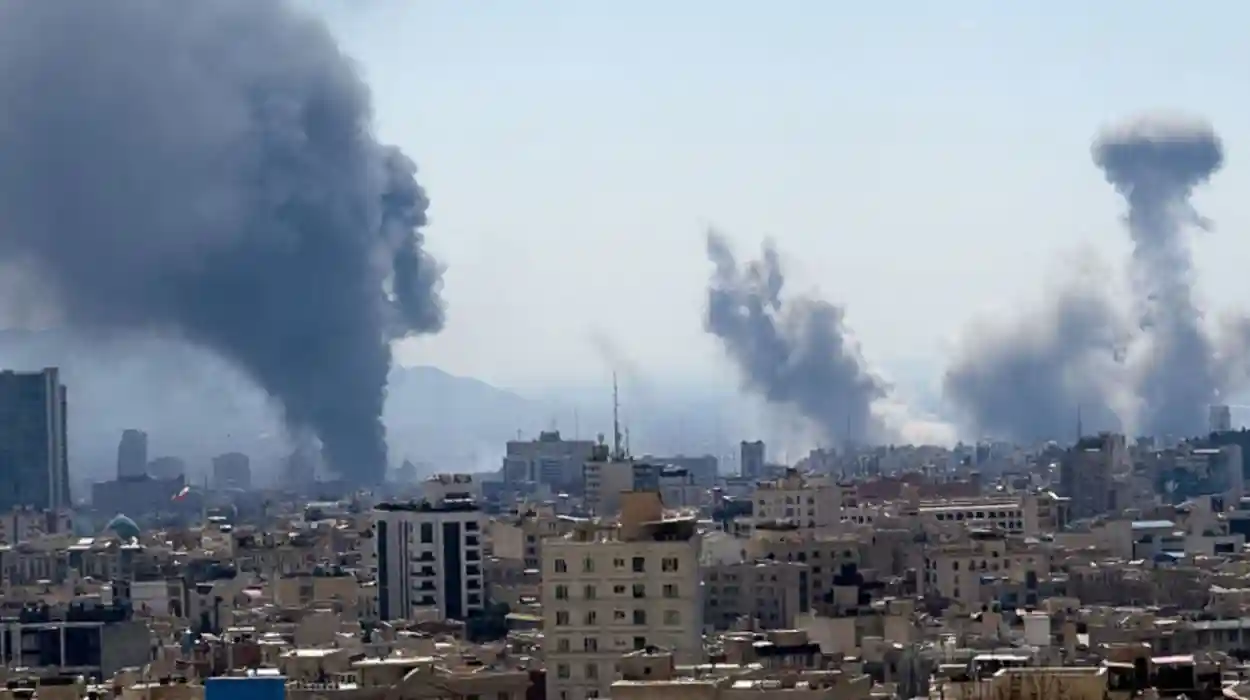
Environmental specialists are warning that the ongoing regional conflict could leave lasting ecological consequences that extend far beyond the immediate areas affected by military operations. Damage to energy infrastructure, fuel storage facilities, and industrial sites has raised concerns about pollution that could persist in the environment for years. Scientists say that when large quantities of petroleum products burn or leak into surrounding areas, the resulting contamination can affect air quality, soil health, and water resources.
Researchers studying similar incidents from previous conflicts note that pollutants released from damaged energy facilities often settle into nearby ecosystems. Fine particles and chemical residues can travel through the air before settling on land or entering waterways. These substances may alter soil composition, affect plant life, and disrupt the natural balance of local ecosystems if they are not carefully removed through environmental cleanup efforts.
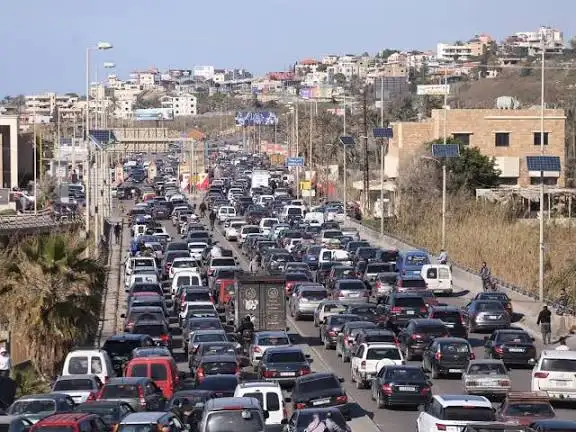
Long term ecological damage can also affect wildlife populations and natural habitats. Birds, fish, and other animals may be exposed to contaminants through air, water, or food sources within affected regions. Environmental experts explain that ecosystems can take many years to recover from such disturbances, particularly when contamination spreads across large areas or reaches sensitive habitats.
The environmental consequences may also influence agriculture and water availability for nearby communities. Polluted soil can reduce agricultural productivity while contaminated water supplies may require extensive treatment before they are safe for use. Governments and environmental organizations often need to coordinate long term recovery programs that include soil restoration, water purification, and ecological monitoring.
Scientists emphasize that early environmental assessment is essential to limit long term damage. Monitoring programs can help identify affected areas and guide cleanup strategies that reduce ecological risk. As the regional conflict continues to unfold, environmental specialists say understanding and addressing these potential long term impacts will be critical for protecting natural resources and supporting future recovery efforts.


















Leave a comment