

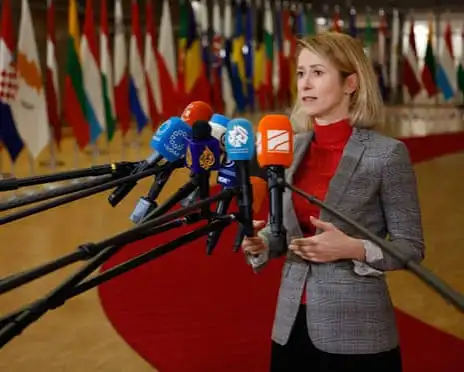
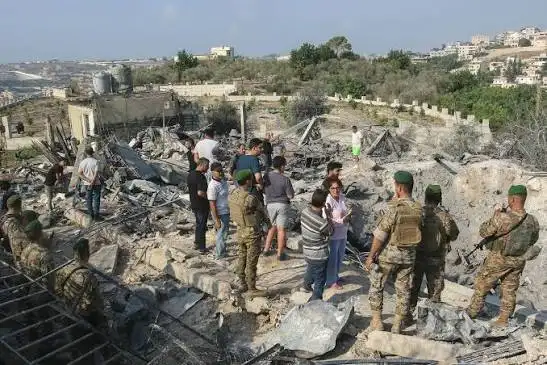
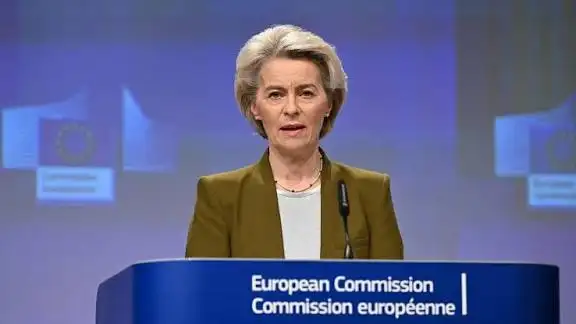
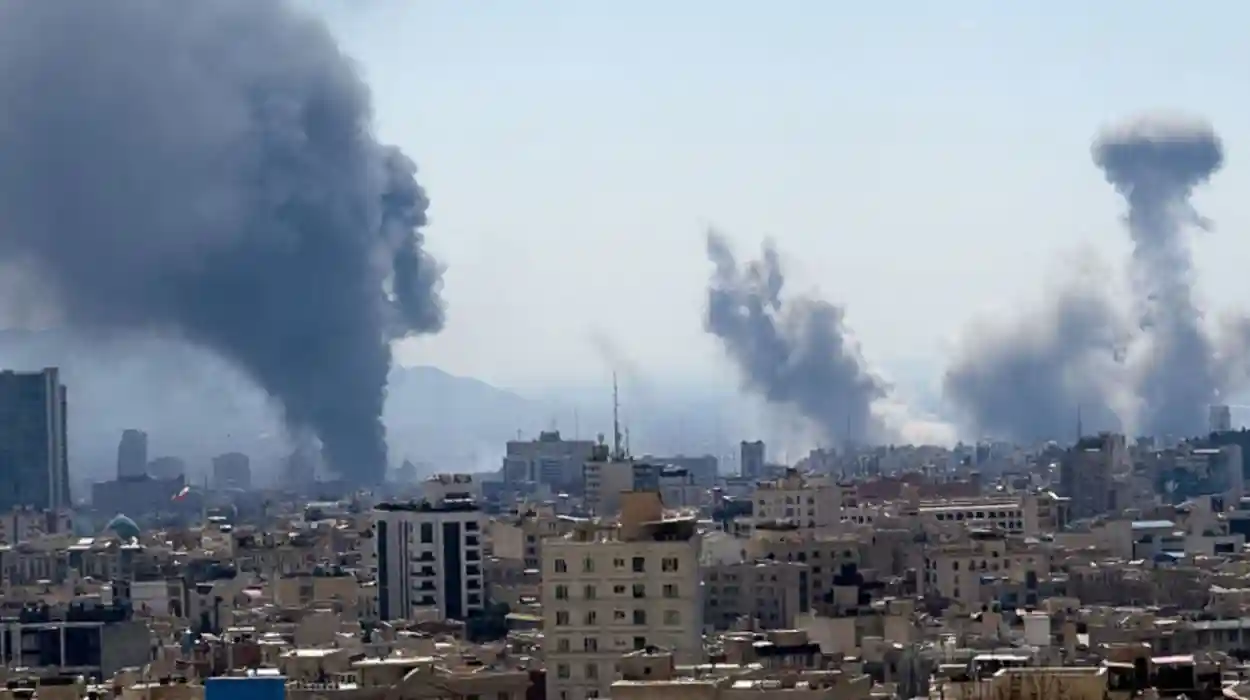
The president of the European Council, António Costa, has said that the ongoing war in the Middle East is producing unexpected geopolitical consequences, warning that Russia appears to be gaining strategic advantages as the conflict continues. Speaking during discussions among European leaders, Costa said the prolonged fighting between regional powers is shifting global attention and resources away from other international crises, particularly the ongoing war involving Russia and Ukraine. His remarks reflect growing concern in European capitals that the turmoil in the Middle East may indirectly strengthen Moscow’s global position.
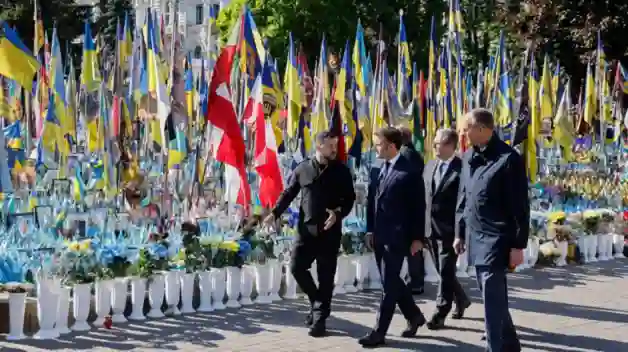
Costa explained that the conflict has rapidly drawn diplomatic and military attention from Western governments that were previously focused on supporting Ukraine and maintaining pressure on Russia. European officials worry that the diversion of political attention, financial resources, and military equipment could slow the pace of assistance flowing to Kyiv. According to European analysts, Moscow may benefit from this shift because global media coverage, diplomatic negotiations, and security planning are increasingly dominated by developments in the Middle East rather than Eastern Europe.
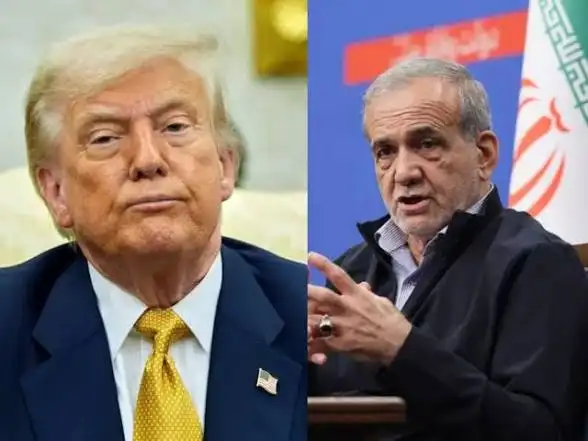
Energy markets are also playing a significant role in the strategic calculations. Rising uncertainty around oil supply in the Gulf region has pushed prices higher, creating conditions that could improve revenue for major energy exporters, including Russia. Higher oil revenues could strengthen Moscow’s economic resilience at a time when Western sanctions are intended to limit the country’s financial capacity. European policymakers have warned that prolonged inility in energy producing regions could complicate efforts to maintain economic pressure on Russia.
Beyond economic effects, diplomats warn that the broader geopolitical landscape may be shifting in ways that benefit the Kremlin. As major powers concentrate on preventing the Middle East conflict from expanding, Russia may find more room to maneuver in international diplomacy. Some analysts argue that Moscow could attempt to position itself as a mediator in regional negotiations while simultaneously advancing its strategic goals in other parts of the world.
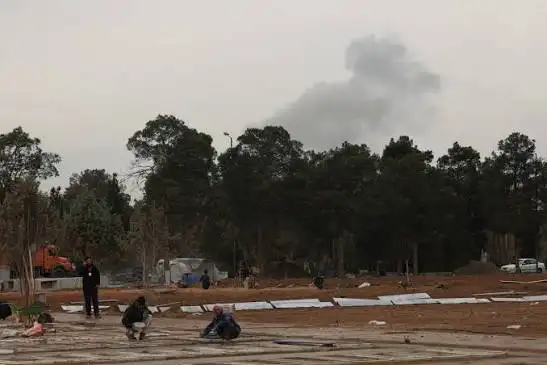
Costa’s remarks highlight growing anxiety within European institutions about the cascading effects of simultaneous global crises. Leaders across the European Union are now debating how to maintain support for Ukraine while also responding to the rapidly evolving situation in the Middle East. The European Council president emphasized that international cooperation remains essential to prevent further inility, warning that multiple overlapping conflicts could reshape global power dynamics in unpredictable ways.



Leave a comment