

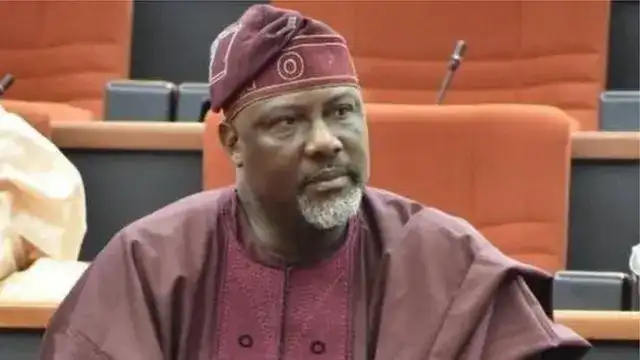
Former Senator Dino Melaye has launched a scathing on the Tinubu administration, declaring that Nigerians cannot afford another four years under the current leadership. The African Democratic Congress chieftain has escalated his criticism of President Bola Tinubu, describing the possibility of a second term as an existential threat rather than a matter of political preference.
Writing on social media platform X, Melaye characterized the administration as miserable, corrupt, reckless, and incompetent. His remarks represent some of the most forceful opposition rhetoric aimed at the presidency in recent months. The former Kogi West Senator went further to accuse the president of playing politics with the lives of ordinary Nigerians while simultaneously undermining democratic institutions and Governor Seyi Makinde of Oyo State.
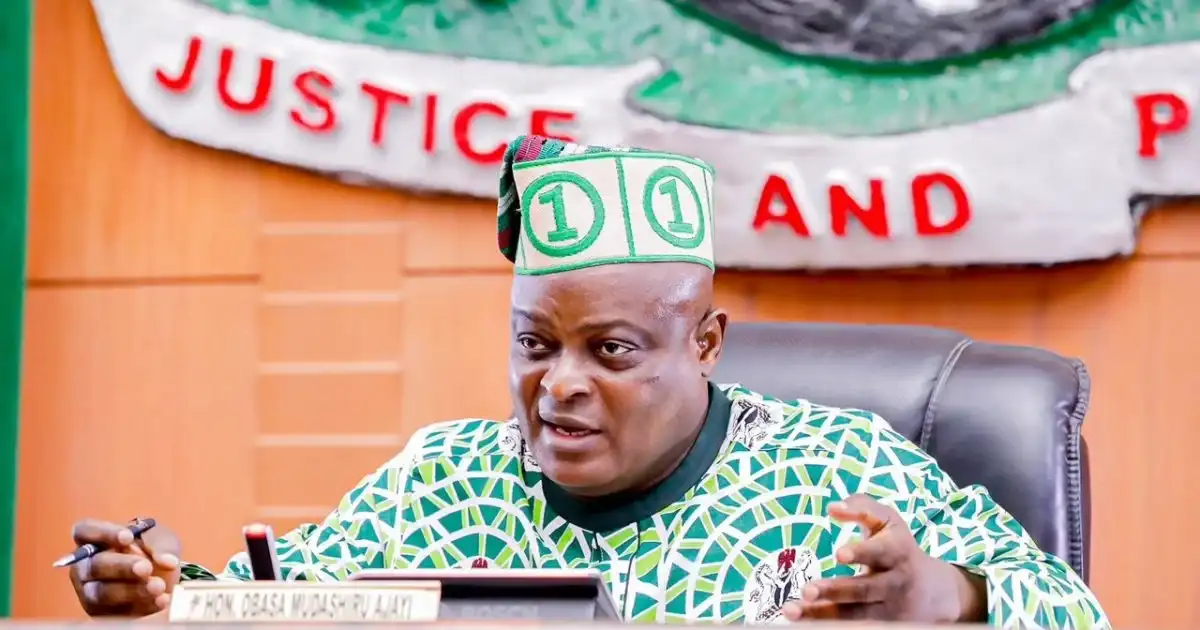
Melaye’s criticism comes as Nigeria grapples with significant economic challenges that have tested public patience with the government. Fuel prices have reportedly increased by 463 percent during Tinubu’s tenure in office, placing enormous strain on households and businesses across the country. Such dramatic price hikes have fueled widespread discontent and raised questions about the sustainability of current economic policies.
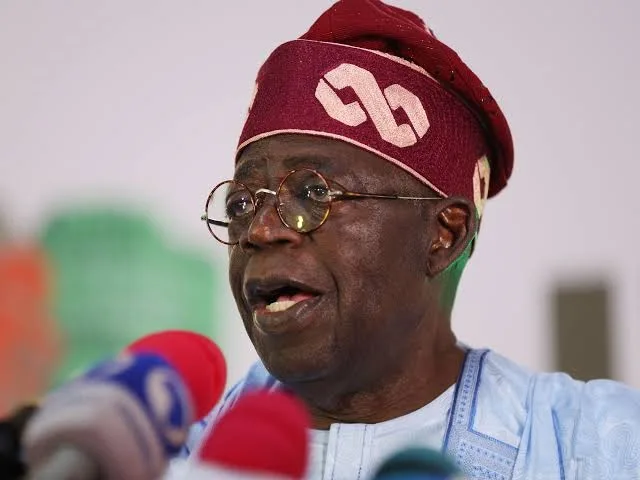
President Tinubu, who leads the All Progressives Congress, secured his position after winning the party’s primary election with approximately 11 million votes. His administration has defended its record, with supporters arguing that inherited problems from previous governments require time and difficult reforms to address. Akwa Ibom Governor Umo Eno and Delta State Governor Sheriff Oborevwori have both publicly expressed confidence that Nigerians would reelect Tinubu in 2027, with Oborevwori describing opposition to the president as morally wrong.
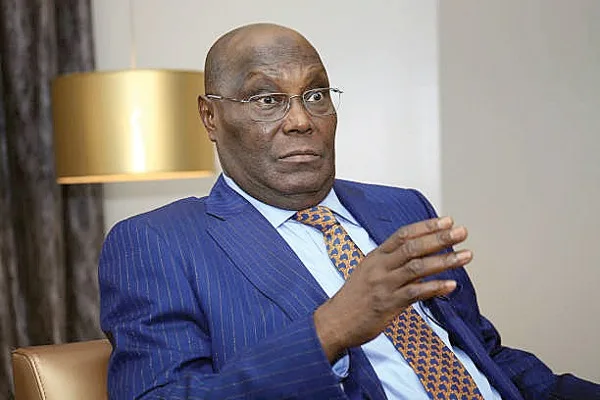
Meanwhile, opposition voices continue to mount pressure on the administration. The Peoples Democratic Party has signaled openness to alliances ahead of the 2027 elections, potentially complicating Tinubu’s reelection calculus. Former Vice President Atiku Abubakar has also criticized the government’s handling of security matters, particularly regarding recent abductions in Oyo State, suggesting that insecurity issues were inherited from previous APC leadership rather than being solely attributable to opposition parties.
As Nigeria approaches the midpoint of Tinubu’s first term, the political landscape appears increasingly fractured. Whether Melaye’s dire warnings resonate with the broader electorate or whether government supporters succeed in framing the administration’s policies as necessary medicine for long term prosperity will likely determine the trajectory of the 2027 presidential race. What remains clear is that economic pressures and governance concerns have created fertile ground for opposition messaging, setting the stage for what promises to be a contentious political battle in the years ahead.













Leave a comment