

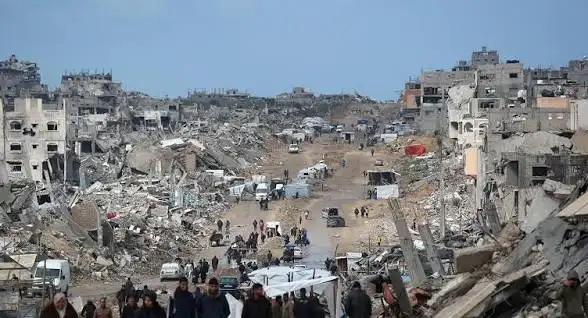
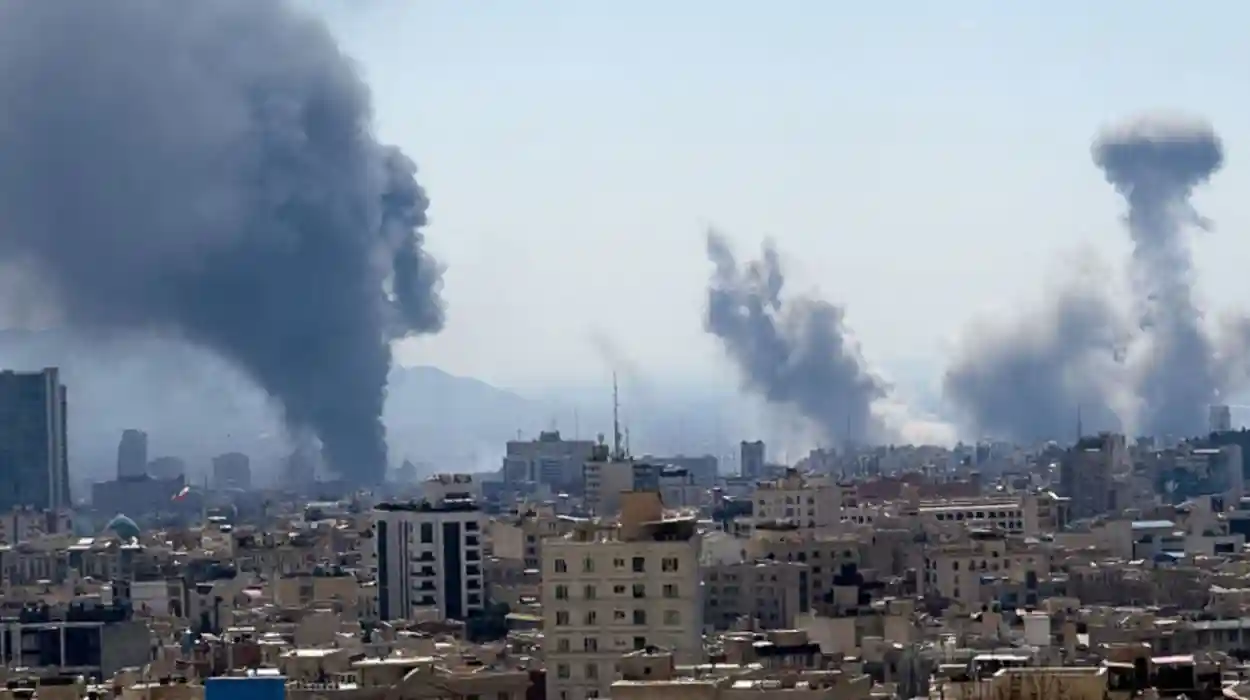
Civilian infrastructure across several Middle Eastern countries is experiencing mounting strain as cross border military activity increasingly affects facilities essential to daily life. Transportation networks, energy facilities, and public service systems have all faced disruptions as governments attempt to manage the wider consequences of escalating regional tensions. Authorities throughout the region have warned that continued pressure on infrastructure could create serious challenges for economic activity and public services if the situation persists.
In several cities across the Middle East, airport operations, seaports, and highway systems have experienced interruptions linked to security concerns and precautionary closures. Aviation authorities in particular have been forced to revise flight routes and adjust airspace management in response to the uncertain security environment. These ces have affected passenger travel as well as cargo transport, placing additional strain on supply chains that depend on consistent regional connectivity.

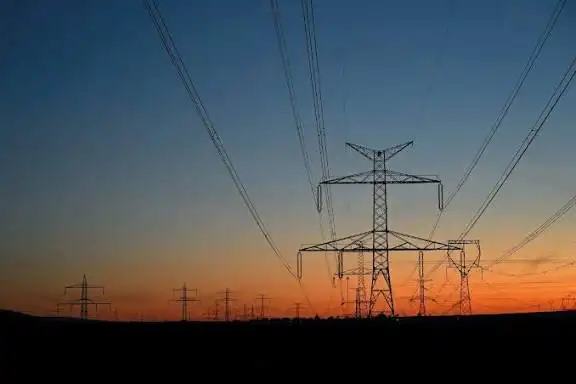
Energy systems have also been under increasing pressure as governments work to protect facilities responsible for power generation and fuel distribution. Oil processing plants, natural gas infrastructure, and fuel storage sites represent critical assets for both domestic consumption and export markets. When these systems face disruption or temporary shutdowns, the effects can extend beyond national borders because many global industries depend on reliable energy supplies originating from the Middle East.
Public services in urban areas have been adapting to these challenges through contingency planning and coordination between emergency agencies. Hospitals, municipal utilities, and communication providers have been reviewing operational plans designed to ensure essential services remain available even during periods of heightened security concern. Officials say such preparations are necessary to prevent disruptions from spreading across multiple sectors that support daily life.
Regional analysts believe the growing impact on civilian infrastructure demonstrates how modern conflicts often affect economic and social systems as much as traditional military objectives. Facilities that enable transportation, energy production, and communication have become increasingly important to national resilience during periods of geopolitical tension. Governments across the Middle East are therefore expanding protective measures and working with international partners to safeguard essential infrastructure while the broader conflict continues to unfold.


















Leave a comment