

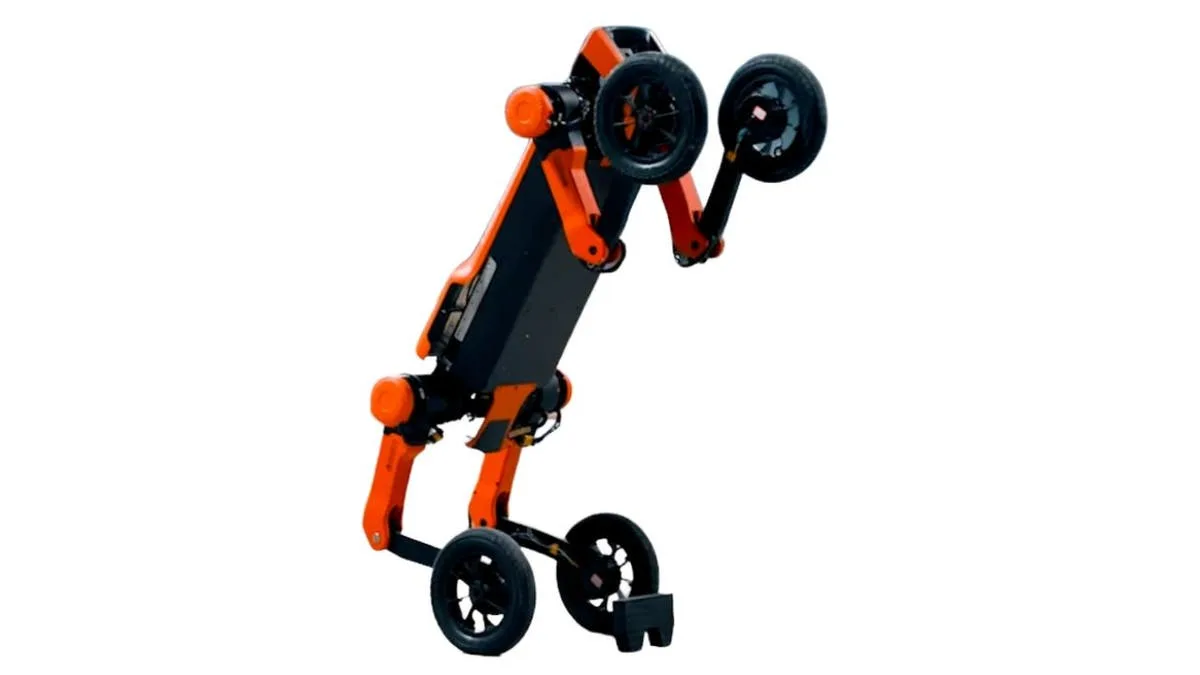
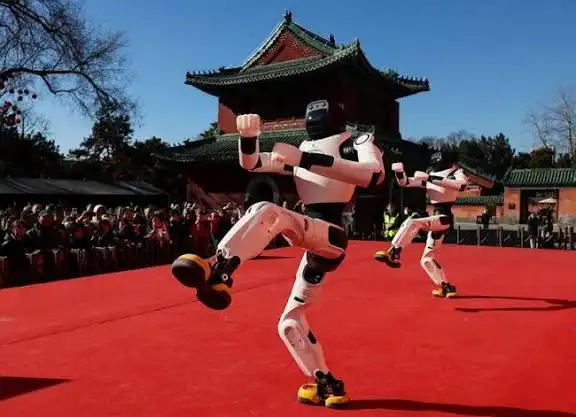
A Chinese robotics company has captured global attention with stunning footage of a humanoid machine that moves across challenging landscapes with an athleticism that blurs the line between mechanical engineering and biological motion. Unitree, a zhou based firm specializing in advanced robotics, released video of what it calls a “super athlete” model navigating rocky terrain, steep inclines, and uneven surfaces with a fluidity that has both impressed and unsettled observers worldwide. Within hours of publication, the footage spread across social media platforms, racking up millions of views and igniting fresh conversations about how quickly robotics technology is advancing.
What sets this particular demonstration apart from previous robotic showcases is the machine’s apparent ability to adapt to unpredictable environments in real time. Where earlier generation robots moved with stilted, programmed precision, Unitree’s creation appears to make dynamic adjustments to its gait and balance as terrain shifts beneath it. The robot recovers from stumbles, adjusts its footing on loose gravel, and maintains forward momentum across obstacles that would have stopped its predecessors. Such capabilities suggest significant advances in sensor technology, artificial intelligence processing, and mechanical design that allow the machine to respond to its surroundings rather than simply follow predetermined instructions.

Robotics experts watching the footage have expressed both admiration and caution about the implications of such rapid progress. Commercial applications seem obvious and potentially beneficial, ranging from search and rescue operations in disaster zones to industrial work in hazardous environments where human safety remains a concern. Agricultural applications could transform farming in difficult terrain, while infrastructure inspection on bridges, pipelines, and remote installations could become safer and more efficient. Yet the same capabilities that make these machines valuable for civilian purposes also make them attractive for military deployment, a reality that has not escaped the attention of defense analysts.
Unitree has positioned itself as a major competitor in the global robotics market, challenging elished players from the United States and Japan with aggressive pricing and rapid innovation cycles. Founded less than a decade ago, the company has moved from producing quadruped robots resembling mechanical dogs to increasingly sophisticated humanoid and hybrid designs. Its ability to bring advanced capabilities to market at costs significantly below Western competitors has raised questions about supply chain advantages, government support, and intellectual property practices that remain difficult for outside observers to fully assess.
International reaction to the video reveals broader geopolitical tensions surrounding technological leadership and dual use technologies that serve both civilian and military purposes. Some commentators have called for greater international cooperation and transparency in robotics development, arguing that autonomous machines capable of operating in complex environments require ethical frameworks and regulatory oversight that currently do not exist. Others point to an accelerating competition where nations and companies race to achieve technological superiority regardless of collaborative efforts, creating a dynamic similar to previous arms races but with automation and artificial intelligence at the center.
As robotics capabilities continue advancing at a pace that surprises even industry insiders, questions about deployment, regulation, and societal impact grow more urgent. Unitree’s demonstration represents not an endpoint but a milestone in ongoing development that shows no signs of slowing. Whether these machines ultimately serve primarily humanitarian purposes, commercial interests, or military objectives will depend on decisions made in corporate boardrooms and government offices over the coming months and years. What remains certain is that the era of truly capable, all terrain robots has moved from science fiction into documented reality, bringing with it opportunities and challenges that society has only begun to address.





















Leave a comment