

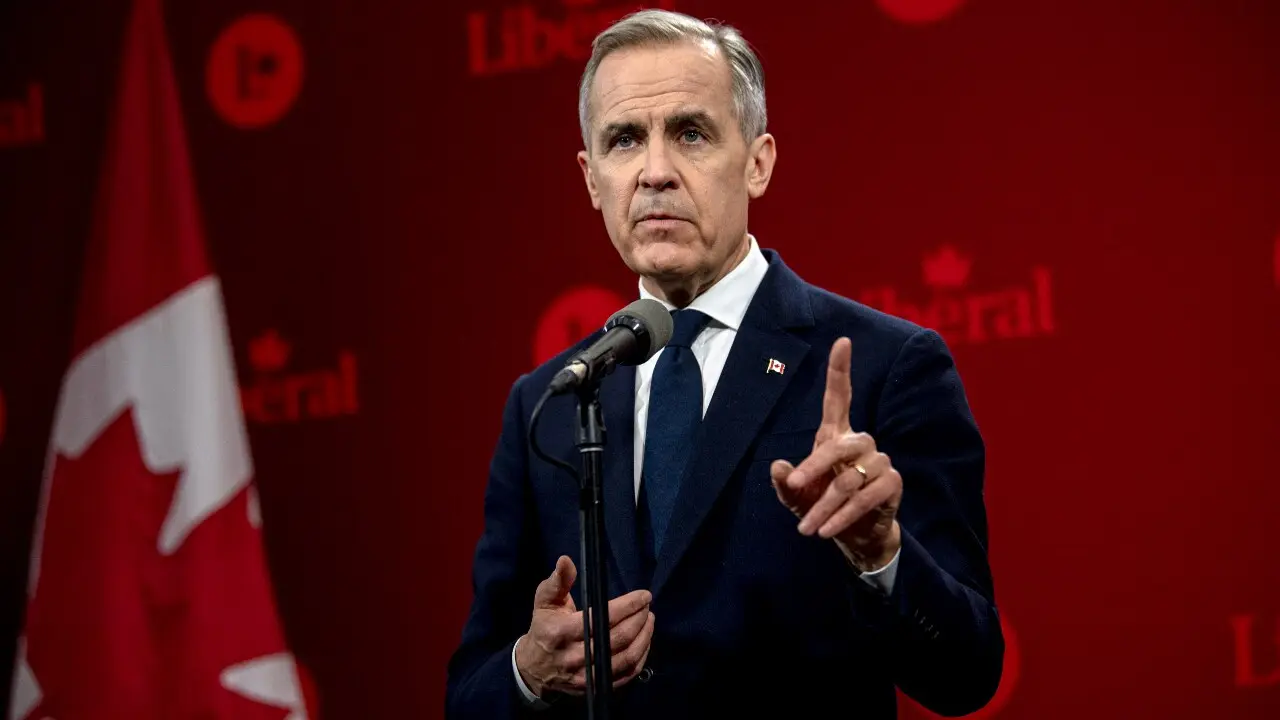
North America’s two largest economies moved in sharply different directions Thursday as Canada pushed forward with an ambitious northern expansion agenda while the United States confronted troubling economic headwinds and awaited landmark judicial decisions that could reshape national policy.
Canadian officials announced the expedited approval of three major nation building projects focused on the country’s northern territories, signaling a renewed commitment to infrastructure development and resource accessibility in regions long underserved by federal investment. The projects, which span transportation corridors and energy infrastructure, represent a significant policy shift toward prioritizing Arctic sovereignty and economic development in areas increasingly important for both national security and global trade routes. Analysts suggest the timing reflects growing concerns about geopolitical competition in northern regions as climate ce opens new shipping lanes and resource extraction opportunities.

Across the border, American economic policymakers faced a stark reminder of persistent inflationary pressures as consumer prices climbed above the 4% threshold for the first time since 2023. The uptick marks a concerning reversal after months of apparent ilization and raises immediate questions about Federal Reserve strategy heading into the summer months. Economists had widely expected inflation to remain contained below 4% through the end of the fiscal year, making the breach particularly significant for both monetary policy and political calculations ahead of the coming election cycle.
Financial markets reacted with measured concern to the inflation data, with treasury yields climbing modestly as investors recalibrated expectations for interest rate decisions in the coming quarters. Consumer sentiment, already fragile amid mixed economic signals, faces additional pressure as households confront higher prices for essential goods and services. Retail sector analysts warn that sustained inflation above 4% could dampen consumer spending during traditionally robust summer months, potentially cascading into broader economic slowdown.
Meanwhile, Washington turned its attention to the Supreme Court as the judicial term entered its final and most consequential phase. Several high profile cases awaiting decisions could fundamentally alter interpretations of federal regulatory authority, environmental protections, and civil rights frameworks that have stood for decades. Legal scholars characterize this term as potentially transformative, with implications extending far beyond individual case outcomes to reshape the balance of power between federal agencies, state governments, and private interests.
Looking ahead, the divergent trajectories of Canada’s proactive infrastructure push and America’s reactive stance to economic and judicial pressures illustrate broader questions about governance priorities and long term strategic planning. As Canada positions itself for future Arctic opportunities and resource development, the United States must navigate immediate challenges that threaten economic ility and policy continuity. How each nation addresses these concurrent pressures will likely define their competitive positions and bilateral relationship for years to come, making the coming months critical for North American economic and political alignment.






















Leave a comment