

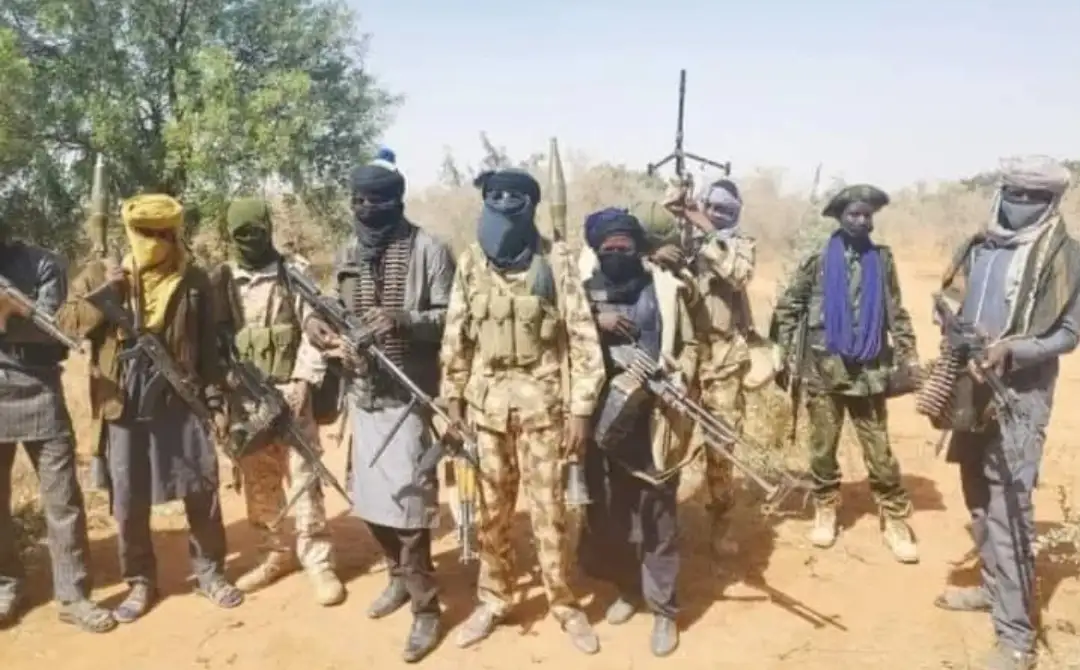
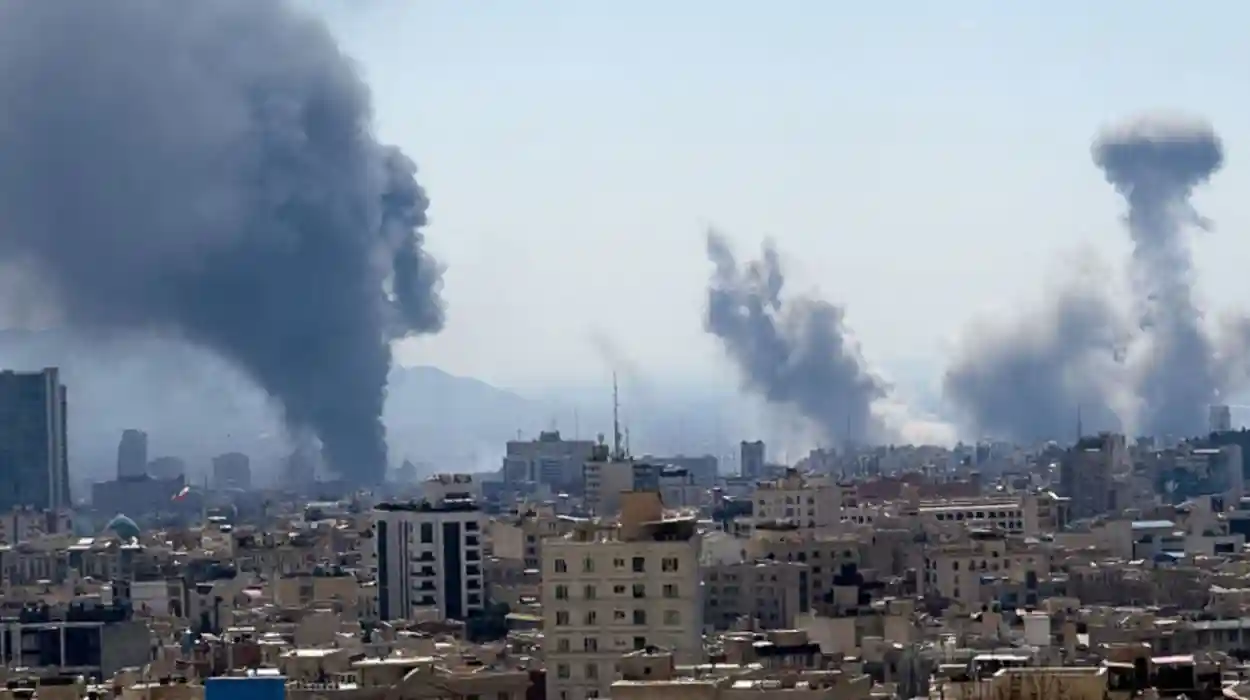
American warplanes have returned to Nigerian skies with deadly precision, eliminating a top leader of the Islamic State West Africa Province and ing 175 militants in coordinated strikes with Nigerian forces across the country’s restive northeast. Yet beneath the tactical victories lies a troubling question that has haunted counterterrorism efforts across the Sahel: can military force alone reverse a decade and a half of metastasizing violence that has transformed northern Nigeria into what security analysts now describe as a “ransom economy” where armed groups profit from and mass kidnapping?
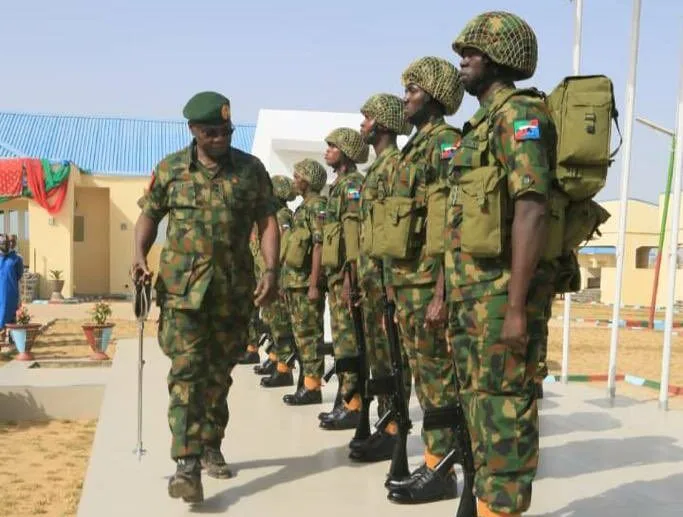
Washington’s expanded military operations in northeast Nigeria, the epicenter of an insurgency that erupted in 2009 with the rise of Boko Haram, have drawn praise from politicians and citizens exhausted by relentless insecurity. Unlike Nigerian led airstrikes, which have repeatedly resulted in accidental civilian deaths, the joint operations have so far avoided non combatant casualties. The precision has bolstered public support for American involvement, offering a sharp contrast to the Nigerian military’s troubled record of collateral damage that has sometimes pushed communities toward the very insurgents they fear.
Security experts caution, however, that tactical success may prove fleeting without addressing the underlying conditions that allow jihadist groups to replenish their ranks almost as quickly as drones eliminate them. Ladd Serwat, senior analyst for Africa at the Armed Conflict Location and Event Data project, explained that many Nigerians join militant organizations not out of ideological conviction but for survival in regions where state authority has evaporated. Some communities align with insurgents believing armed groups offer better protection than a government that has failed to deliver basic services like electricity, water, and education.
Nigeria now confronts multiple overlapping security crises that defy simple military solutions. Beyond ISWAP and the original Boko Haram faction, the Sahelian group Lakurawa operates in the north, while bandits conduct mass abductions for ransom from forested strongholds in the northwest. Farther south in the Middle Belt, climate driven drought has pushed predominantly Muslim Fulani herders into violent clashes with largely Christian farming communities over increasingly scarce land and water. Nigeria also holds the grim distinction of having the world’s largest population of out of school children, concentrated primarily in the north, creating what Kabir Adamu, CEO of Abuja based Beacon Security and Intelligence, described as “the pool from which these bad guys recruit.” Child solrs have become a cornerstone of insurgent strategy.
Washington’s deepening involvement in Nigeria carries echoes of its experience across the Sahel, where years of military assistance and drone operations failed to prevent the collapse of governments in Mali and Burkina Faso or stem the tide of anti Western sentiment that ultimately forced American troops to withdraw from the region. Experts warn that Nigerians may turn against the United States if expanded military operations fail to deliver lasting security improvements, particularly if the underlying governance failures remain unaddressed. Airstrikes can eliminate high value targets and temporarily disrupt militant networks, but they cannot build schools, restore electricity grids, or create the economic opportunities that might offer northern Nigerian youth alternatives to insurgency.
Whether this American gambit succeeds may depend less on the accuracy of its munitions than on Nigeria’s willingness to tackle the state failures that transformed grievances into a full blown insurgency spanning nearly two decades. Military pressure alone has never defeated an insurgency rooted in economic desperation, absent governance, and communal fragmentation. As joint operations intensify in the coming months, both Washington and Abuja will face a critical test: can they demonstrate that this time, unlike previous efforts across the Sahel, military intervention is paired with the difficult political and economic reforms necessary to give Nigerians in the north a stake in peace rather than profit in chaos.
You May Like


















Leave a comment