

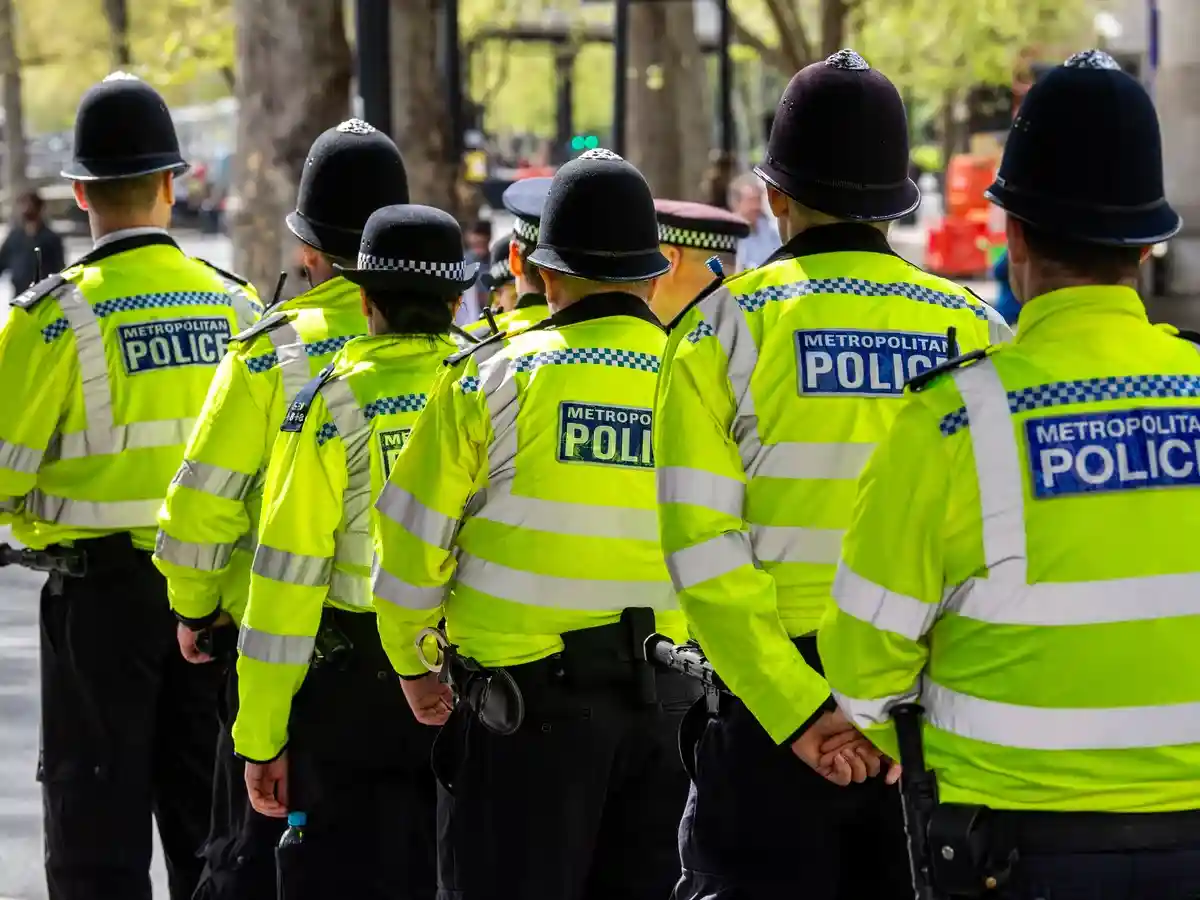
British police forces must abandon identity politics and return to the fundamental mission of preventing and detecting crime, according to a damning government backed report that calls for sweeping reforms across law enforcement. The study, co-authored by former Labour Home Secretary Lord Blunkett and released Monday, paints a troubling picture of police departments plagued by leadership failures, nepotism, and plummeting officer morale.
At the heart of the report’s findings is a sharp critique of police chiefs who have waded into contentious social debates at the expense of their core duties. Investigators found growing evidence that senior officers are “preferencing certain groups” and taking sides in politically charged disputes rather than maintaining strict neutrality. The report recommends explicitly that police leaders should focus entirely on crime prevention, detection, and prosecution, regardless of the background or identity of victims and perpetrators.

Public confidence in equal treatment under the law has been severely tested by several high profile incidents, most notably the death of 18 year old Henry Nowak in Southampton last year. Nowak was fatally bed with a ceremonial dagger by a Sikh man as he walked home from a night out. Bodycam footage released in May revealed that officers arrested and handcuffed the bleeding teenager after his er falsely accused him of racism, then failed to provide adequate medical assistance. The young man d at the scene.
Current guidance from the National Police Chiefs’ Council appears to sanction differential treatment based on identity characteristics. Official anti-racism instructions explicitly tell officers not to be “color blind” and state that equality “does not mean treating everyone the same.” While this guidance is now under review following public outcry, other parts of the criminal justice system have maintained similar policies. The Crown Prosecution Service in England and Wales recently instructed prosecutors to question their own “unconscious bias” when deciding whether to charge suspects from ethnic minorities.
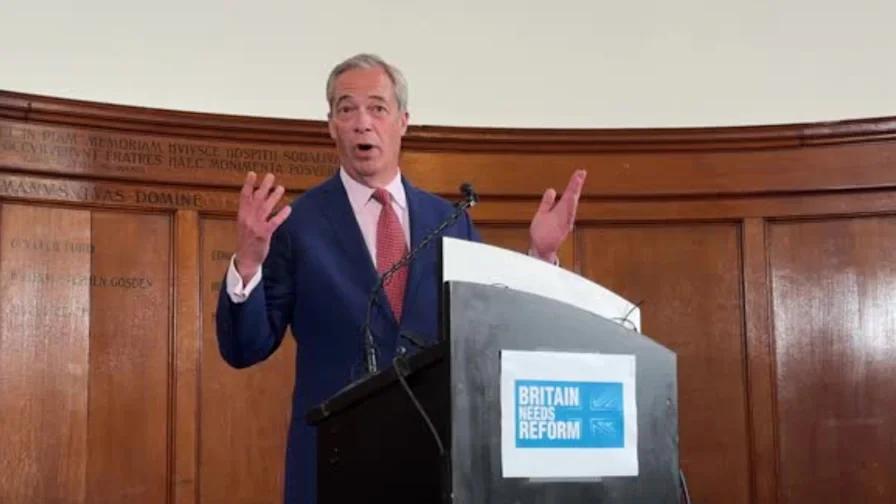
Speaking to the BBC over the weekend, Lord Blunkett acknowledged that “there is a perception” of two tier policing across Britain. He suggested the pendulum had swung too far from addressing historic racism within police ranks, as identified in the landmark 1999 Macpherson report, toward policies that the public now views as unfairly favoring certain groups. Political figures including Reform UK leader Nigel Farage have characterized modern Britain as “a two tier state against white people,” reflecting growing frustration among segments of the electorate.
Whether police leadership will embrace the report’s recommendations remains uncertain, but pressure for ce is mounting from multiple directions. Public trust in fair and equal policing represents a cornerstone of democratic society, and sustained perceptions of bias threaten to undermine law enforcement legitimacy. As Britain grapples with rising crime rates and stretched police resources, the coming months will test whether forces can refocus on their primary mission while rebuilding confidence among all communities they serve.


















Leave a comment