

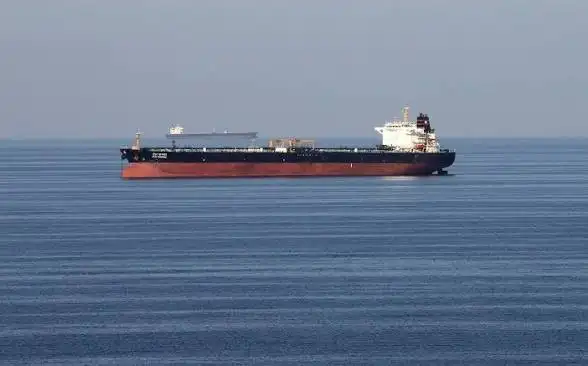
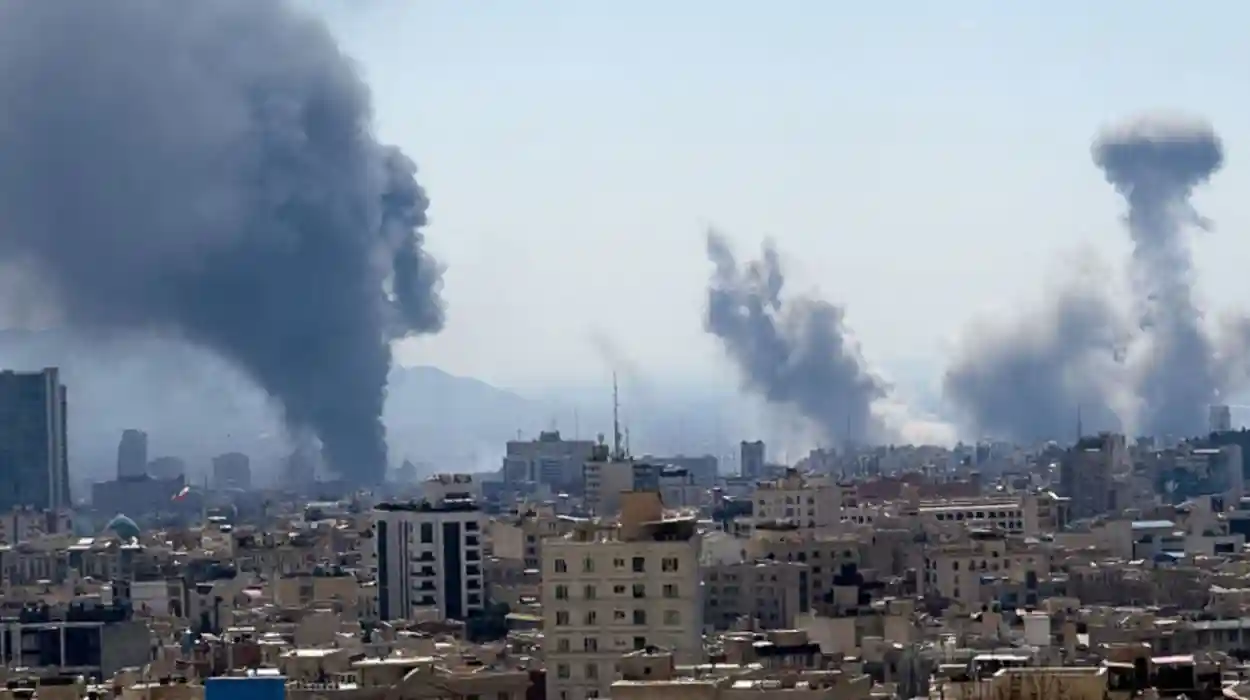
International shipping insurers are reviewing risk assessments for vessels traveling through Gulf waters as tensions in the Middle East continue to influence maritime security. The conflict involving Iran, Israel, and the United States has raised concerns about the safety of commercial shipping routes that are critical for global energy transport and international trade. Insurance providers say they are closely monitoring developments to determine whether adjustments to coverage conditions may be necessary.
Marine insurance plays a vital role in global shipping because it protects vessels and cargo against potential risks encountered during long distance voyages. When geopolitical tension increases in key maritime corridors, insurers often reassess the likelihood of incidents and adjust premiums or policy requirements accordingly. Shipping companies operating in the Gulf region are therefore paying close attention to any ces in coverage that could affect operating costs.
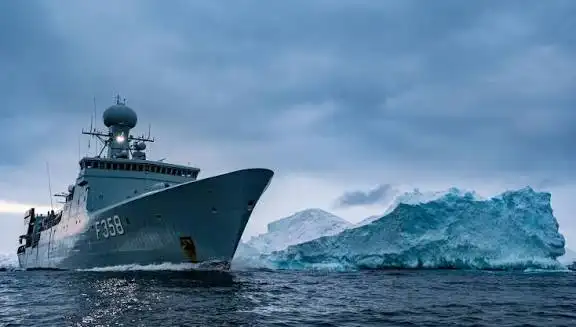
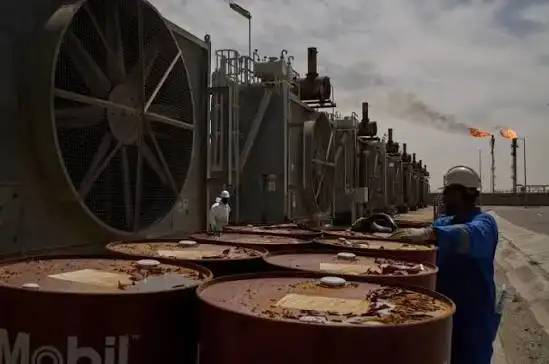
The Gulf remains one of the most important maritime regions for the transportation of oil and liquefied natural gas. Tankers regularly pass through narrow waterways connecting the Gulf to international markets across Asia and Europe. If insurance premiums rise due to higher perceived risk, shipping companies may face additional financial pressure while transporting fuel and other commodities.
Industry analysts note that higher insurance costs can eventually influence the price of goods transported through these routes. Energy shipments in particular could become more expensive to move if maritime risk coverage becomes significantly more costly. These additional expenses may ultimately be reflected in global energy prices and broader trade costs.
Governments and maritime authorities are continuing to monitor the situation closely while encouraging measures that maintain the safety of commercial shipping lanes. International organizations that oversee maritime activity are also promoting cooperation between naval forces and shipping operators to reduce risk. As tensions remain elevated in the region, insurance markets are expected to remain cautious while evaluating conditions affecting Gulf maritime trade.
You May Like














Leave a comment