

Commercial airspace over Iran, Iraq, Kuwait, Bahrain, the United Arab Emirates, and Qatar remains largely empty as ongoing military hostilities continue to disrupt global aviation. Flight tracking data shows a significant reduction in aircraft activity across key Gulf corridors, reflecting the risks posed by missile and drone strikes targeting United States and allied assets in the region.
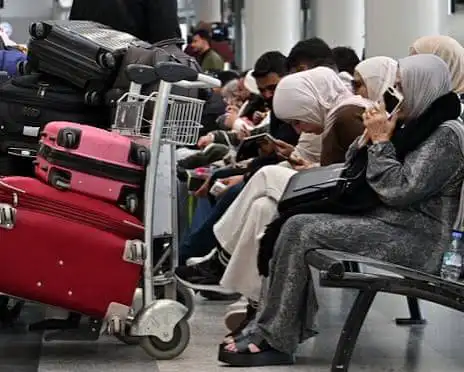
Authorities in affected countries have issued notices to airlines warning of restricted zones and potential threats to aircraft. Major carriers have rerouted flights, delayed departures, and in many cases cancelled services altogether to avoid conflict areas. The closures have disrupted travel for thousands of passengers and created logistical challenges for cargo and freight operations dependent on Gulf transit routes.
Aviation experts note that the Gulf region is a critical hub for international air traffic, linking Europe, Asia, Africa, and North America. The virtual absence of aircraft underscores the severity of the disruption and the high level of caution exercised by airlines in response to the escalating Middle East conflict. Extended closures could increase fuel costs, lengthen travel times, and affect global airline schedules for the foreseeable future.
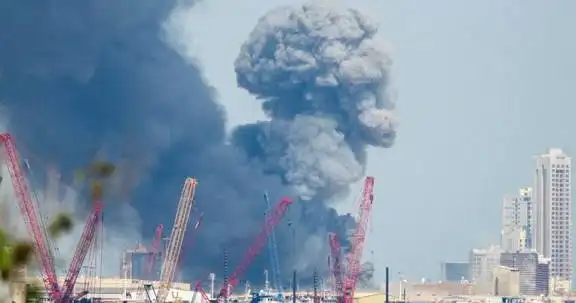
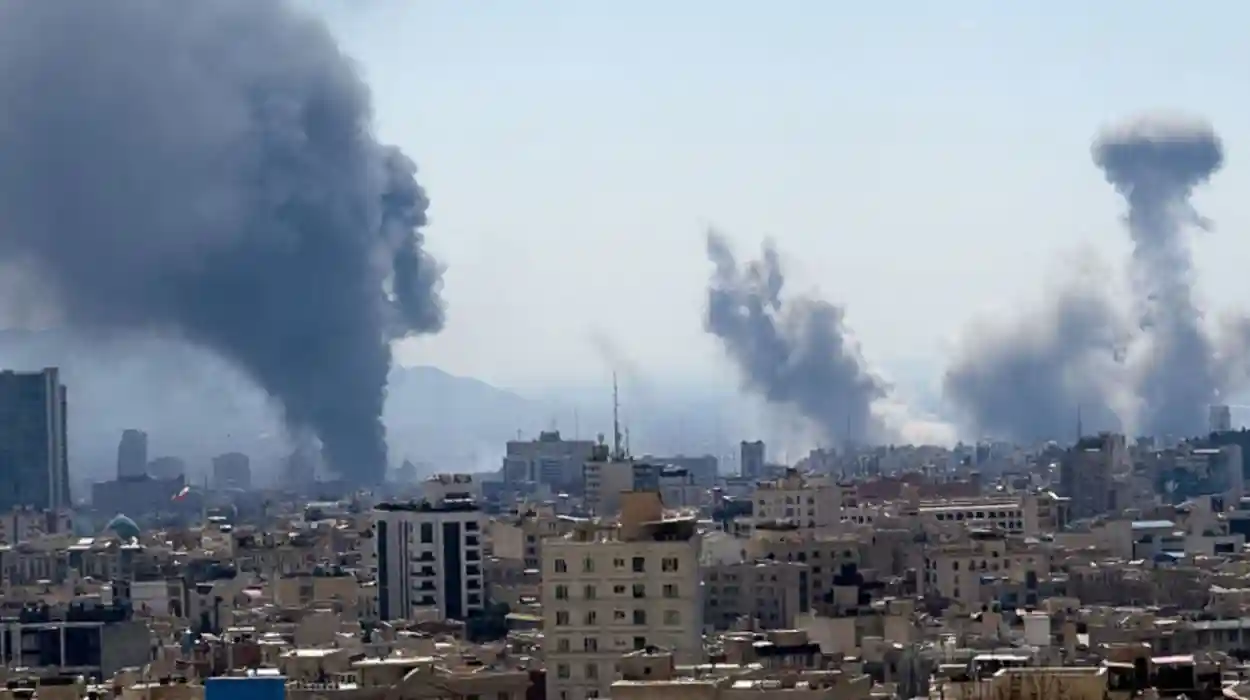
The ongoing reduction in air traffic follows a series of missile and drone exces between Iran, Israel, and the United States, with targets including military installations and strategic facilities. Aviation authorities have emphasized that commercial flights should remain well clear of active conflict zones to ensure the safety of passengers and crew.
Airlines are coordinating closely with national and international aviation bos to monitor conditions and adjust flight paths as the security situation evolves. Passengers are being advised to verify their travel plans directly with carriers and remain alert to schedule ces caused by the volatile environment.
The empty skies over the Middle East reflect not only the immediate security threats but also the broader consequences of regional inility on global transportation networks. Observers warn that continued hostilities could prolong disruptions, affect trade and business travel, and create challenges for aviation planning worldwide.





















Leave a comment