

The African Democratic Congress may have secured temporary relief to remain on the 2027 presidential ballot following a recent Supreme Court of Nigeria ruling, but its toughest challenge is only beginning. The party must now navigate internal tensions and select a single presidential candidate from a crowded field of political heavyweights.
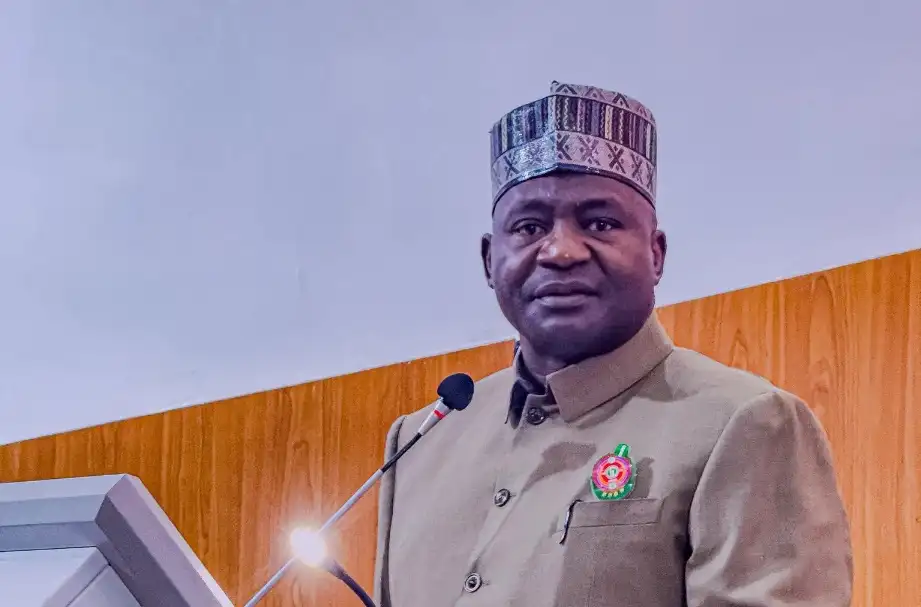
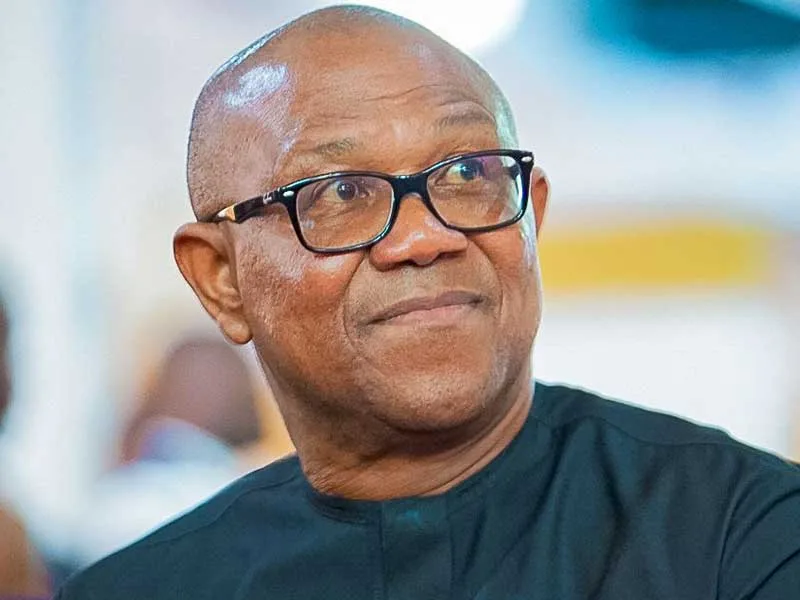
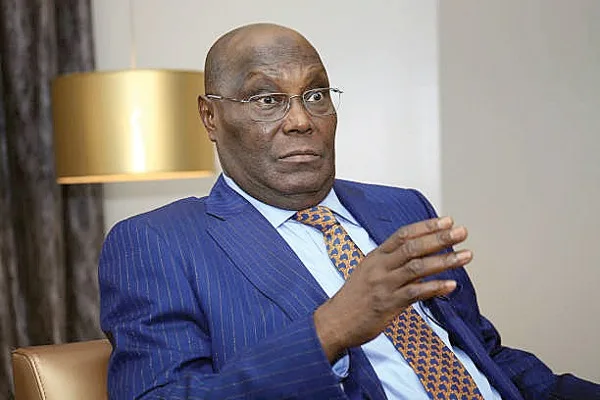
Among those linked to the race are Peter Obi, Atiku Abubakar, Rabiu Musa Kwankwaso, Rotimi Amaechi, and Mohammed Hayyatu Deen. Each aspirant brings regional strength, loyal supporters, and a firm belief in their electability. However, this diversity of ambition also presents a risk: a divisive primary could fracture the coalition before the general election.
Internal disagreements have already surfaced, with some longstanding members expressing concerns that newer entrants have effectively taken control of the party. This perception of exclusion has deepened tensions and raised questions about unity within the coalition.
Two major camps are emerging. One bloc is pushing for a joint ticket featuring Obi and Kwankwaso, which insiders say is gaining traction among younger voters and professionals. Another faction favors a ticket led by Atiku, potentially paired with Seyi Makinde or Amaechi, drawing support from segments in the North and South West.
The urgency is heightened by electoral regulations set by the Independent National Electoral Commission, which require party membership registers to be finalized within strict timelines. Any aspirant who loses out may find it difficult to secure an alternative platform.
Beyond internal politics, the ADC is also contending with broader inility across opposition parties. The Peoples Democratic Party and Labour Party Nigeria remain entangled in leadership disputes, while legal pressures and defections continue to reshape the political landscape.
For the ADC, the stakes are clear. Choosing a consensus candidate could position the party as a credible challenger. Failure to manage ambitions and egos, however, may repeat a familiar cycle of fragmentation that has long weakened opposition efforts in Nigeria.
As the clock ticks toward 2027, the party’s ability to balance unity with competition will determine whether it can transform early legal victories into lasting political momentum.












Leave a comment