

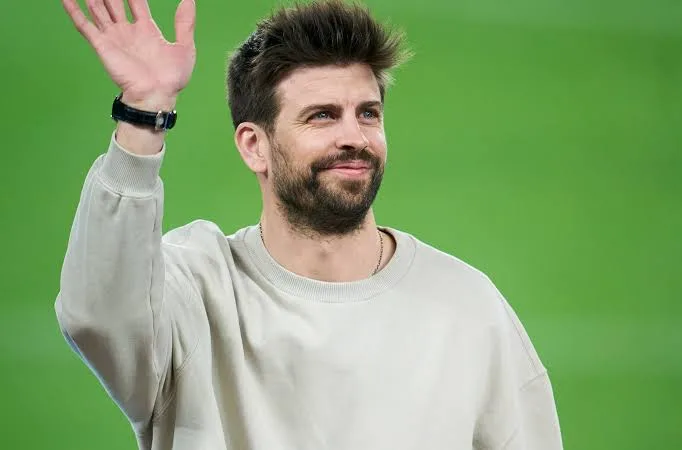
Gerard Pique, the former Barcelona defender and World Cup winner with Spain, has become a strategic shareholder in the Global Chess League franchise Fyers American Gambits, marking another milestone in the rapid transformation of chess from a quiet board game into a commercially viable global sport. The announcement, made at a press conference in Bengaluru, India, positions Pique alongside a growing roster of elite athletes who see chess not merely as a pastime but as an investment opportunity with significant commercial potential.
Pique, who founded the sports and media company Kosmos after retiring from professional football, explained his attraction to the ancient game with clarity. Chess has fascinated him for years, he said, because of its depth, global appeal and the incredible mental strength it demands from competitors. His investment joins that of former India cricket star Ravichandran Ashwin, who already holds a stake in the American Gambits franchise. Manchester City striker Erling Haaland and Norwegian Olympic skiing champion Johannes Hoesflot Klaebo have also made chess investments in 2026, backing Norway Chess and the Total Chess World Championship, which carries endorsement from the International Chess Federation.
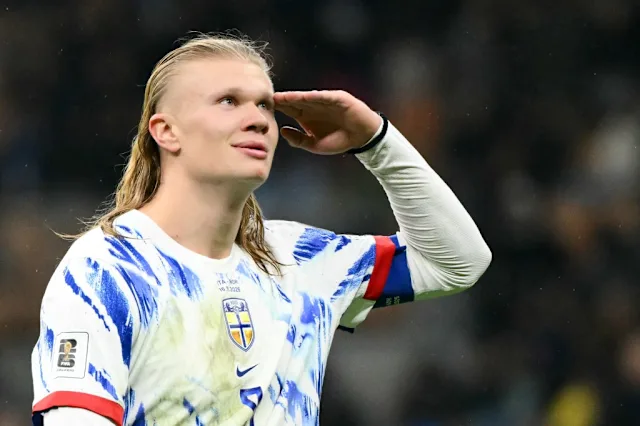
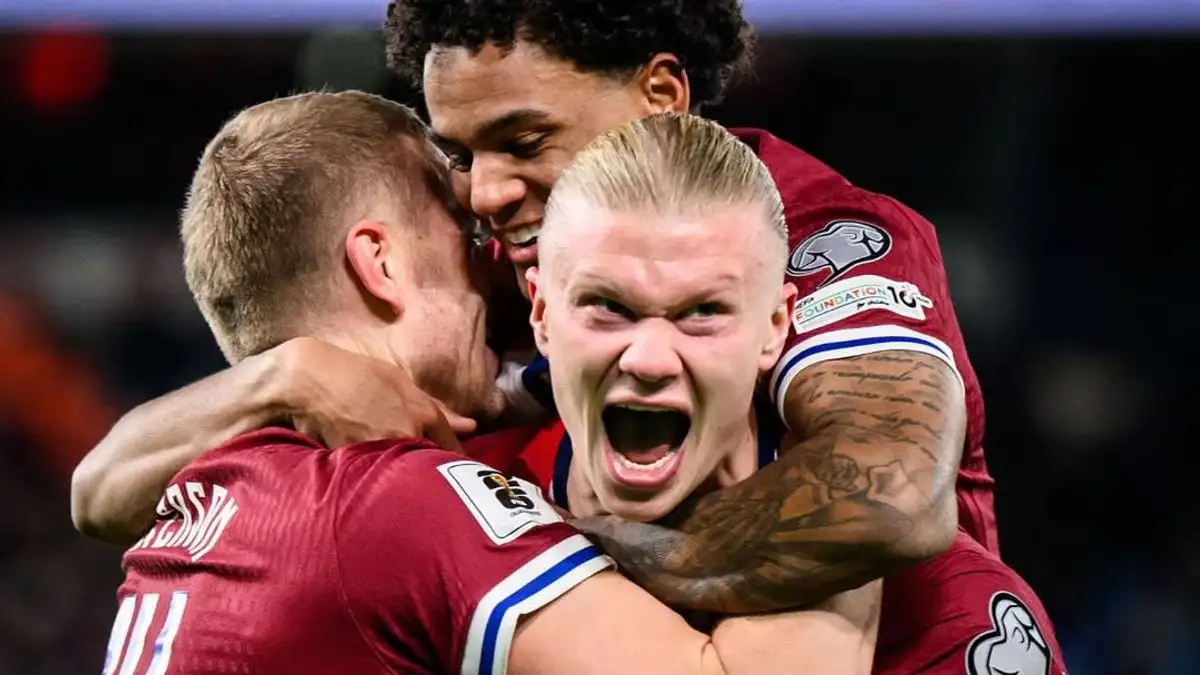
Norwegian investor Morten Borge, who facilitated Haaland’s entry into chess investment, draws compelling parallels between elite football and chess competition. Even though Haaland appears to be a physical monster on the pitch, Borge told reporters, football at the highest level revolves around preparation, strategy, timing and understanding decisive moments. Those elements mirror the mental challenges faced by grandmasters hunched over a board. Haaland was particularly drawn to the game’s emphasis on strategic thinking and the mental discipline required to perform under pressure, qualities that translate directly to his work as a striker.
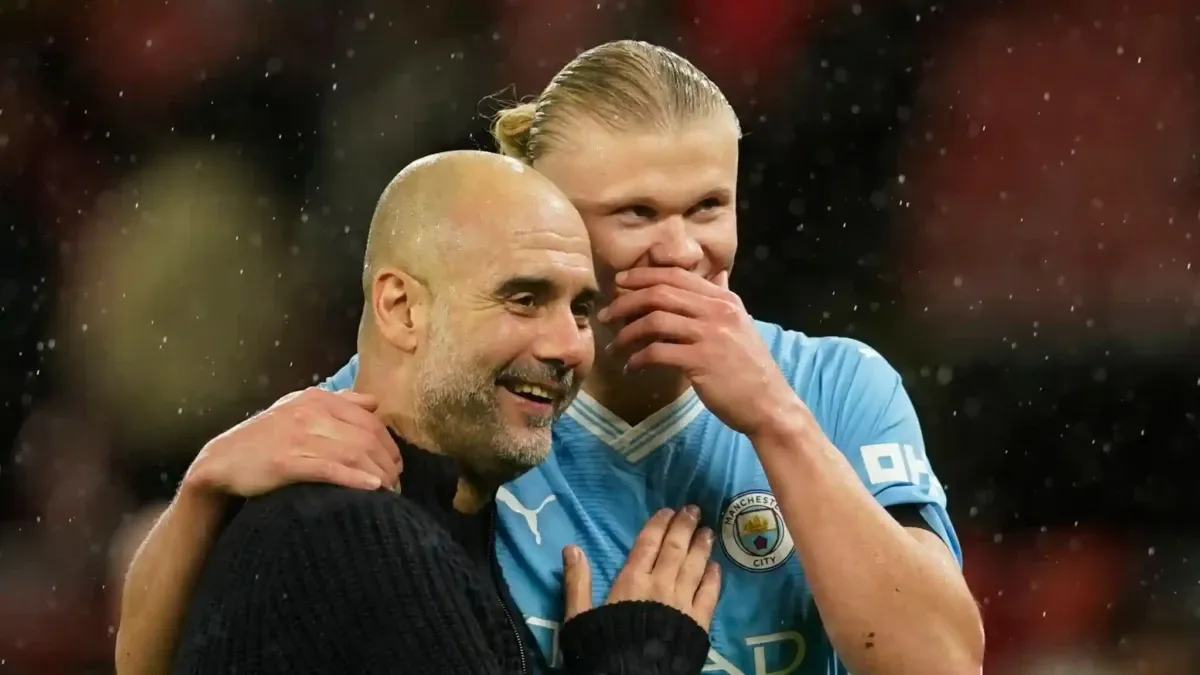
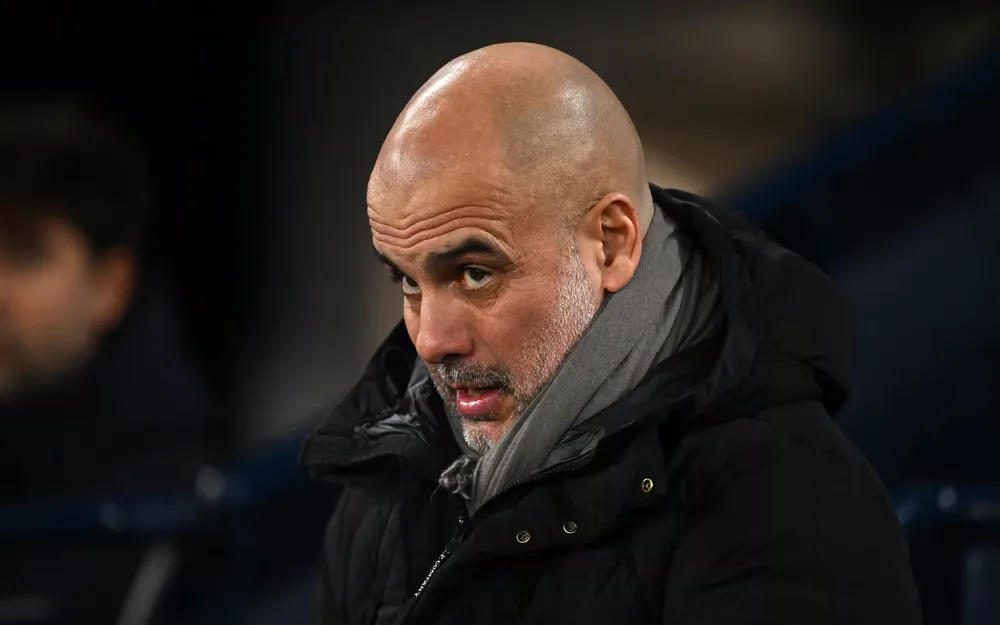
Athletes across multiple disciplines have begun using chess as a training tool to sharpen concentration, decision making and pattern recognition. Former Manchester City manager Pep Guardiola has frequently referenced chess and strategy when discussing football tactics. Liverpool’s Mohamed Salah and tennis icons Boris Becker and Novak Djokovic have all spoken publicly about incorporating the game into their preparation routines. What was once viewed as an intellectual hobby for athletes during downtime has evolved into a recognized od for maintaining competitive edge, building mental resilience and preparing for high pressure situations.
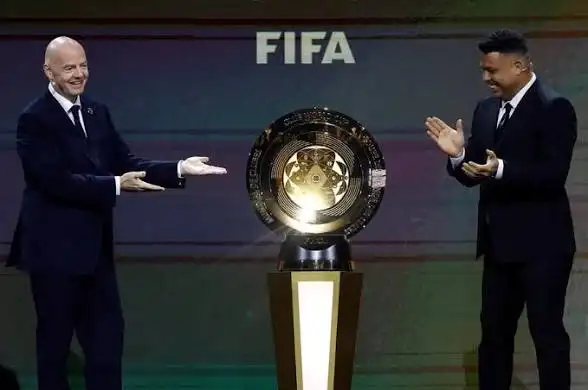
Beyond the athletic crossover, investors increasingly recognize commercial opportunities in chess that were unimaginable a decade ago. Franchise leagues like the Global Chess League, backed by Indian technology giant Tech Mahindra and the International Chess Federation, are working to broaden the sport’s appeal through shorter formats designed specifically for television and digital aunces. These compressed game structures make chess more accessible to casual viewers while preserving the strategic complexity that attracts serious players. Streaming platforms, digital content creation and traditional sponsorships are generating revenue streams that rival those of more elished sports.
Borge believes chess is following a trajectory similar to other niche sports that successfully expanded beyond their traditional fan bases. When investors can commercialize a narrow sport like darts, and when almost a billion people around the world play chess, the opportunity becomes obvious, he noted. American Gambits will compete at the fourth edition of the Global Chess League in Bengaluru this September, offering Pique and other stakeholders an early test of whether chess can sustain the commercial momentum it has built. As more athletes and investors pour resources into the game, chess appears poised to complete its transformation from quiet intellectual pursuit to global entertainment product, with financial returns that could rival traditional sports investments.








Leave a comment