

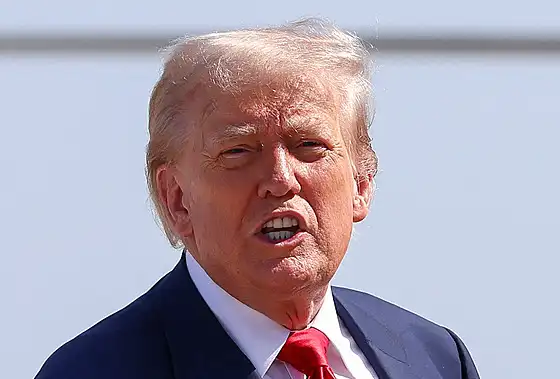
Former President Donald Trump’s recent rhetorical shift on Ukraine appears less a matter of principle than pragmatism, with his newfound support arriving precisely as Ukrainian forces demonstrate increasing battlefield success. Political observers note the timing is hardly coincidental, suggesting that Trump’s position on the conflict has evolved in direct correlation with which side appears to be winning.
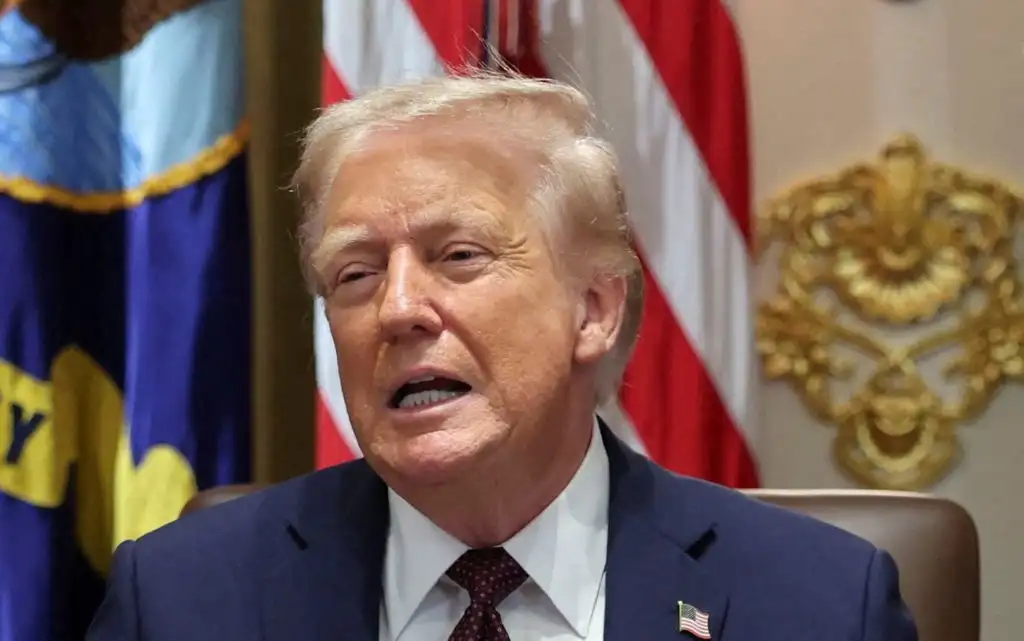
Throughout the early stages of the war, Trump maintained an ambiguous stance that often seemed sympathetic to Russian President Vladimir Putin, with whom he had cultivated a controversial relationship during his presidency. His public statements frequently emphasized ending the conflict quickly through negotiation, sometimes appearing to place equal blame on both the invaded and the invader. Critics argued this approach failed to recognize the fundamental question of sovereignty and international law at stake.
Recent weeks have seen a notable ce in tone. As Ukrainian counteroffensives have yielded tangible results and Western military aid has proven increasingly effective, Trump has begun incorporating more supportive language about Ukraine into his public remarks. Legal and foreign policy experts suggest this pattern reflects a longstanding Trump characteristic of gravitating toward perceived winners, regardless of the underlying moral or strategic considerations that might guide traditional foreign policy analysis.
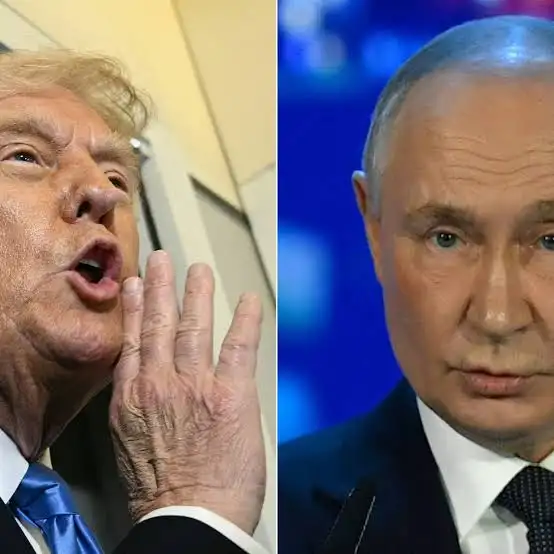
The phenomenon raises intriguing questions about political leadership and the nature of doing the right thing for potentially the wrong reasons. If American support for Ukraine ultimately strengthens because Trump perceives backing a winner as politically advantageous, the practical outcome may align with what many foreign policy experts have advocated all along. Whether motivation matters as much as result remains a subject of intense debate among political philosophers and practitioners alike.
Historical precedents exist for leaders arriving at sound policy positions through circuitous reasoning. What matters to Ukrainians fighting for their homeland is tangible support, not the purity of American political motivations. Yet the transactional nature of such support creates uncertainty about its durability, particularly if battlefield fortunes shift or domestic political calculations ce.
Looking ahead, Trump’s positioning on Ukraine will likely continue to evolve based on military developments and American public opinion rather than fixed principle. Should he return to office, this pattern suggests his administration’s Ukraine policy would remain fluid and potentially unpredictable, guided more by perceived success and political advantage than by consistent strategic doctrine. For allies and adversaries alike, such unpredictability presents both opportunities and profound risks in an already volatile international landscape.










Leave a comment