
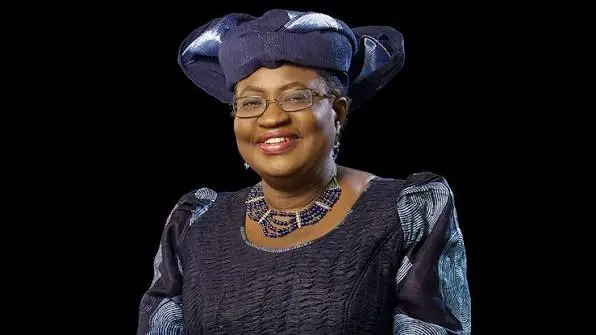
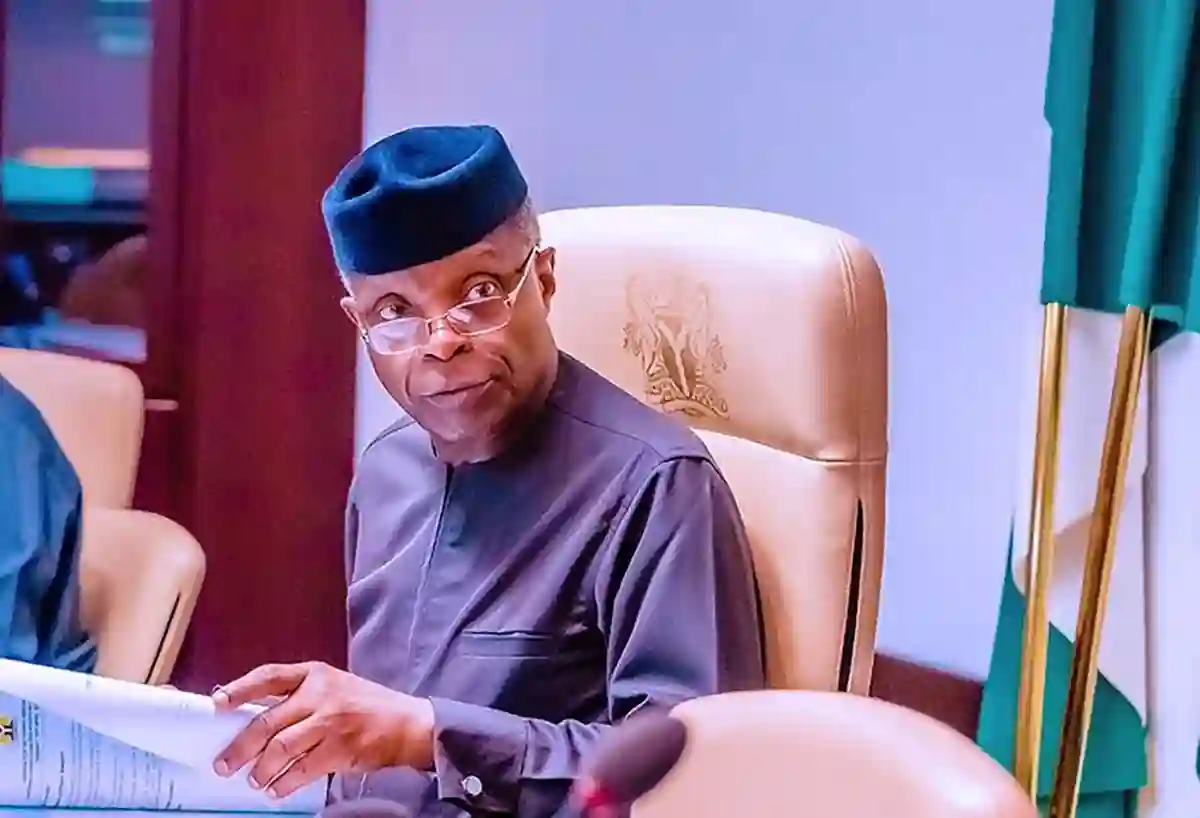
World Trade Organisation Director General Ngozi Okonjo Iweala has delivered a stark assessment of Nigeria’s development challenges, warning that the country’s chronic failure to maintain infrastructure is hindering national progress. Speaking at the Delta State Economic and Investment Summit 2026 in Asaba on Monday, the former finance minister did not mince words about the systemic weaknesses preventing Africa’s most populous nation from realizing its full economic potential.
Okonjo Iweala, who has built a distinguished career both in Nigeria and on the international stage, emphasized that natural resources and government spending alone cannot guarantee development. Her critique cut to the heart of a problem that has plagued Nigerian infrastructure for decades, from potholed highways to dilapidated public facilities. Despite her current position as head of the global trade body, she made clear she was speaking candidly as a concerned Nigerian about an issue that affects every sector of the economy.
The maintenance deficit extends far beyond roads and buildings, according to the WTO chief. Port facilities, digital infrastructure, and trade logistics all suffer from neglect that drives up costs for businesses and consumers alike. Budgetary allocations frequently fail to translate into lasting improvements because projects are allowed to deteriorate without proper upkeep or long term planning. This cycle of decay and reconstruction wastes resources that could otherwise fuel sustainable growth.
Her remarks at the summit carried particular weight given her dual perspective as both a global economic leader and a Nigerian citizen. Okonjo Iweala stressed that successful execution of development projects requires sharp focus and clear prioritization, not simply good intentions or resource availability. Countries that have achieved rapid development, she implied, have mastered the discipline of following through on investments and protecting infrastructure assets over time.
The Delta State summit itself represents an effort to address these challenges by bringing together government officials, investors, and business leaders to explore economic opportunities. Such gatherings have become increasingly common as Nigerian states compete to attract both domestic and foreign investment in an uncertain economic climate. However, the WTO chief’s comments serve as a reminder that infrastructure and institutional quality matter as much as tax incentives or natural resource endowments in determining investment destinations.
Going forward, Okonjo Iweala’s intervention may add momentum to calls for reform in how Nigeria plans, executes, and maintains public infrastructure projects. Her status as one of the country’s most respected economists gives her observations considerable influence in policy circles. Whether political leaders will heed her advice and implement the structural ces needed to build a true maintenance culture remains to be seen, but her willingness to speak bluntly about the problem has certainly focused attention on an issue that can no longer be ignored.




Leave a comment