
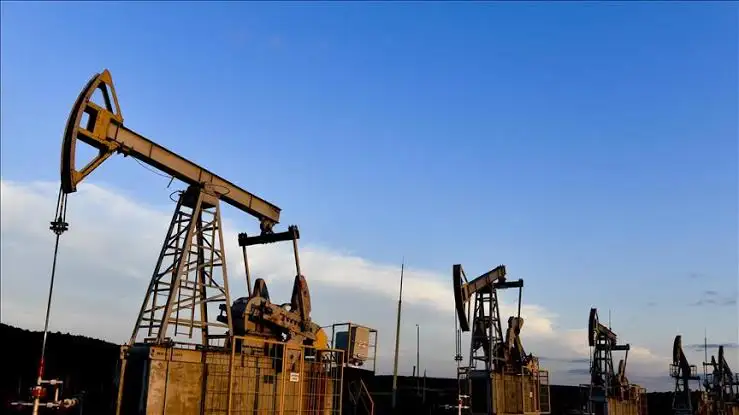
European equity markets rallied on Friday morning as crude oil prices pulled back sharply from the psychologically significant $100 per barrel threshold, offering relief to investors rattled by escalating tensions across the Middle East. The Stoxx Europe 600 index climbed 0.5 percent while London’s blue chip FTSE 100 advanced 0.4 percent, buoyed by the prospect of easing inflationary pressures as energy costs retreated from their recent peaks.

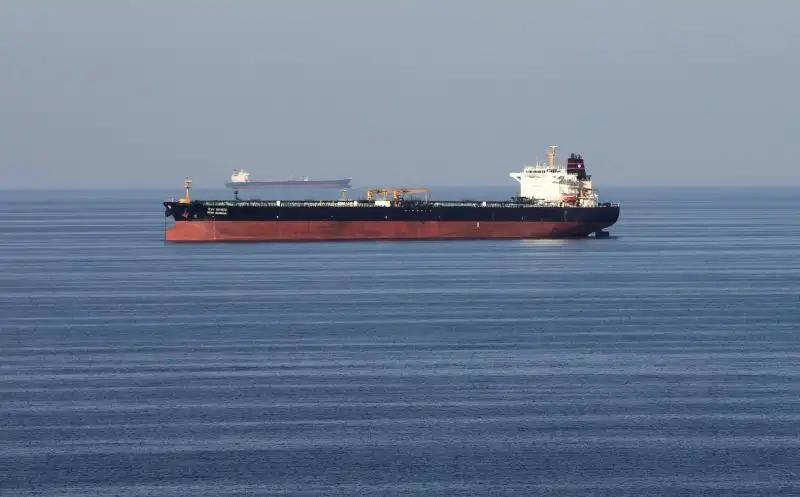
Brent crude, the international benchmark for oil prices, tumbled 4.1 percent to $96.63 per barrel after briefly breaching the $100 mark during Thursday’s trading session. That spike came amid mounting concerns over the widening conflict in the Middle East, with particular focus on threats by Houthi forces to blockade Saudi Arabian naval ports. Such action could disrupt critical shipping lanes and further constrain global energy supplies already stretched by geopolitical inility across the region.
The reversal in oil markets followed comments from US President Donald Trump in an interview with Axios on Thursday, during which he indicated the administration was considering what he termed a massive against Iran. His remarks came as American forces completed their thirteenth consecutive night of air strikes targeting Iranian positions, marking a significant escalation in military operations that have placed enormous pressure on global commodity markets and risk appetite among investors.

Energy prices remain a critical variable for European economies still grappling with the aftershocks of previous supply disruptions and inflation spikes. Lower oil prices typically translate to reduced input costs for manufacturers, cheaper transportation, and ultimately lower consumer prices at the pump. Financial markets have been especially sensitive to energy price movements in recent months, with each fluctuation sending ripples through equity valuations, particularly in transport, logistics, and consumer discretionary sectors.
Complicating the economic landscape for British businesses, industry leaders have issued stark warnings that the United Kingdom could lose competitive advantages over European Union rivals due to newly imposed tariffs from the Trump administration. These trade barriers threaten to undermine one of the perceived benefits of Brexit, namely the ability to negotiate independent trade arrangements with major economic powers. Business groups have expressed concern that American tariff policies may not differentiate between the UK and EU, or worse, could place British exporters at a disadvantage compared to their continental counterparts who benefit from the bloc’s larger negotiating power.

Looking ahead, investors and policymakers will be closely monitoring developments on multiple fronts. Further escalation in the Middle East could quickly reverse recent gains in equity markets and send oil prices soaring once again. Meanwhile, trade negotiations between Washington and London take on renewed urgency as British industry seeks clarity on tariff structures and market access. How these twin challenges evolve in coming weeks will likely determine whether European markets can sustain their current momentum or face renewed pressure from external shocks beyond their control.















Leave a comment