
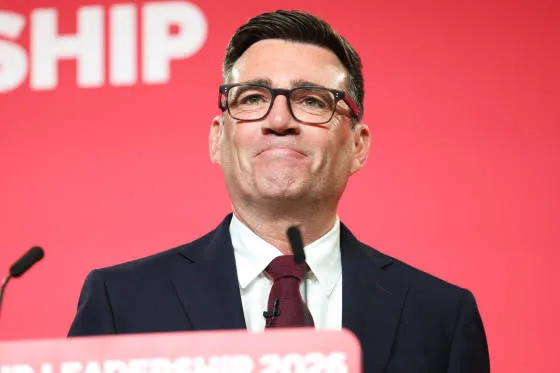
Andy Burnham will today announce emergency measures to ease the cost of living crisis as he chairs his first cabinet meeting since becoming Britain’s prime minister, marking the start of what he has promised will be the most radical transformation of British politics in four decades. Standing on the steps of Downing Street yesterday, the newly appointed leader pledged to provide immediate breathing space for households buckling under financial pressure, promising details within hours of taking office.
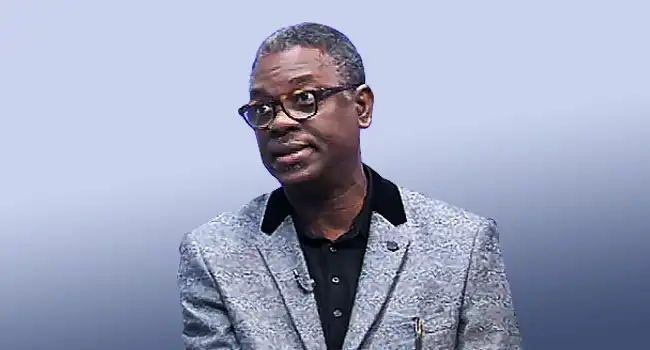
The new premier wasted no time in reshaping the machinery of government, appointing John Healey as Chancellor to replace Rachel Reeves in a sweeping overnight reshuffle that saw major figures from the Keir Starmer era exit stage left. David Lammy, the former deputy prime minister, Richard Hermer, the erstwhile attorney general, and Steve Reed, who held the housing brief, all departed as Burnham moved decisively to stamp his authority on the administration. Louise Haigh, a close ally widely credited with orchestrating Burnham’s rise to Number 10, secured one of the most powerful positions in government as First Secretary of State and Chancellor of the Duchy of Lancaster, effectively becoming the prime minister’s chief fixer across Whitehall.
The cabinet reshuffle brought unexpected appointments and notable shifts in portfolios. Ed Miliband, the former Labour leader, now takes charge of foreign policy as Foreign Secretary, while Shabana Mahmood remains at the Home Office. Wes Streeting made a surprising move from health to defence, and Angela Rayner returned to frontline politics as Housing Secretary after losing her previous role as deputy prime minister. Chris Bryant will oversee relations with Northern Ireland as the newly minted Secretary of State. Downing Street sources emphasized that the cabinet achieves gender parity, with equal representation of men and women, and boasts increased ethnic minority representation compared to previous administrations.
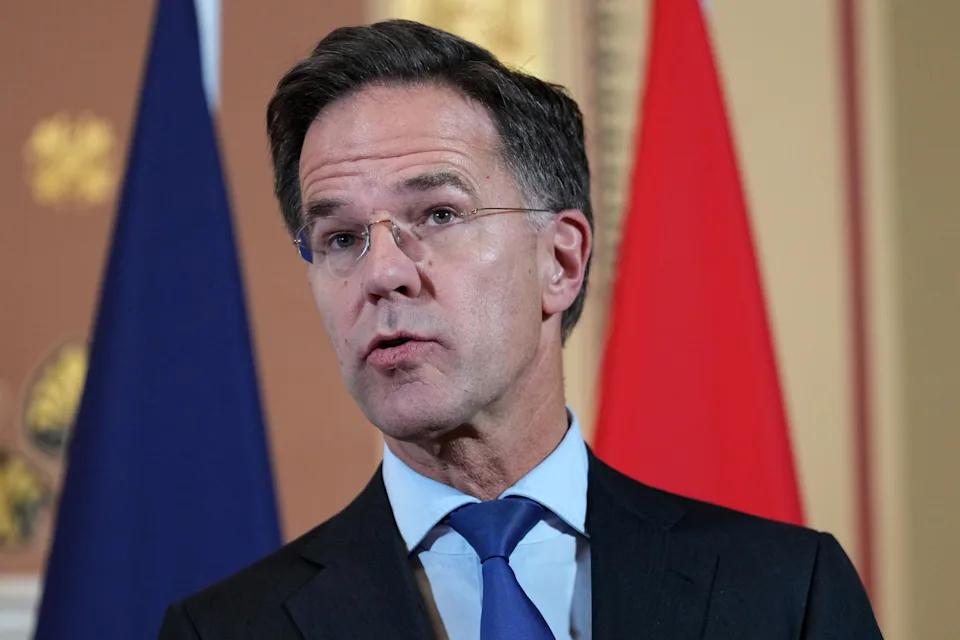
Among the cost of living interventions under consideration are rent controls, energy bill subsis, and a cap on bus fares, measures aimed at delivering tangible relief before the end of the year. Speaking to reporters in the Downing Street rose garden, Burnham emphasized the urgency of his approach. We are looking at measures that could make a difference this year, he explained, though he declined to provide specifics until today’s formal announcement. The focus on immediate household support reflects broader economic anxieties that have dominated British politics for months and helped propel Burnham to power on a platform promising fundamental economic restructuring.
International diplomacy occupied much of Burnham’s first hours in office, with telephone conversations with US President Donald Trump and Ukrainian President Volodymyr Zelensky topping his agenda. Trump characterized their exce as very good on his Truth Social platform, noting they discussed North Sea oil development, trade arrangements, military cooperation, and the demining of the Strait of Hormuz. The American president struck an optimistic note about the working relationship, stating that the United States would support the new British leader in what he acknowledged would be a challenging tenure. These early calls signal continuity in key international relationships even as domestic policy undergoes dramatic revision.
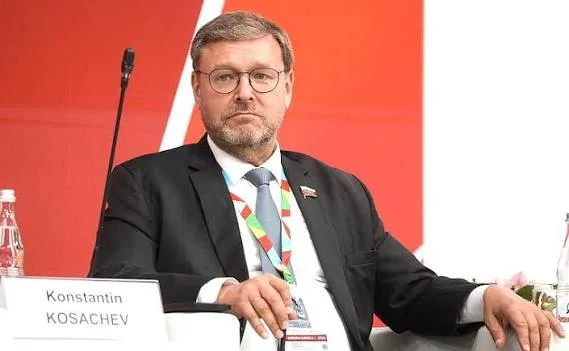
Burnham’s promise of a new political model and a new economic model for Britain represents the most ambitious reimagining of the country’s direction in a generation. Whether his government can deliver on pledges of immediate household relief while simultaneously overhauling fundamental economic structures remains the central question facing his administration. The coming weeks will test whether the bold rhetoric of his first hours in office translates into substantive policy achievement, with millions of struggling households watching closely to see if promised breathing space materializes or evaporates into familiar political disappointment.









Leave a comment