
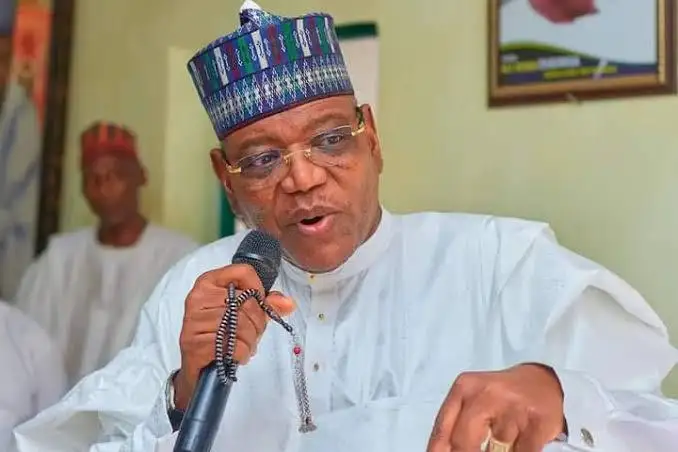
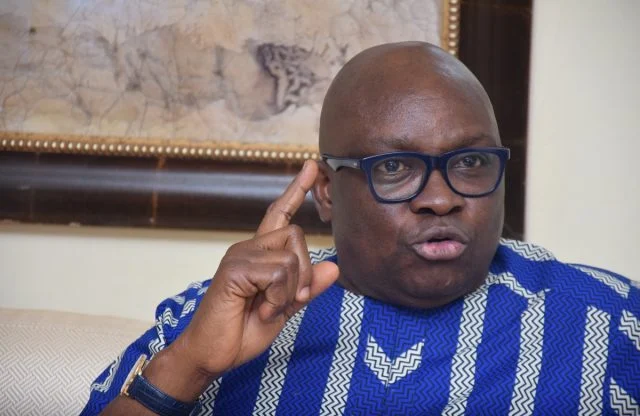
As Nigeria’s political machinery begins gearing up for the 2027 general elections, one of the Peoples Democratic Party’s founding members has issued a clarion call for a fundamental shift in how campaigns are conducted. Sule Lamido, the former governor of Jigawa State, has urged aspiring politicians to abandon the culture of personal s and instead focus on substantive policy debates that address the pressing challenges facing ordinary Nigerians.
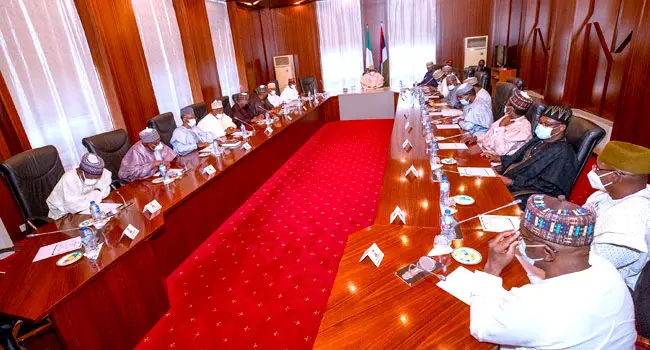
Speaking on Saturday in his hometown of Bamaina in Birnin Kudu Local Government, Lamido received a delegation of PDP governorship candidates from Gombe, Kano, Bauchi, and Yobe states. His message was unequivocal. Nigeria’s political discourse must evolve beyond personality driven mudslinging and toward constructive dialogue about the real issues affecting millions of citizens. The veteran politician emphasized that such a transformation is essential for restoring unity and driving development in a country currently grappling with multifaceted crises.
Lamido’s vision for political engagement centers on a simple but powerful premise: all Nigerians share a common citizenship and a collective love for their country. Rather than obsessing over what opponents have done wrong, he argued, candidates should articulate clearly what they and their parties intend to offer the electorate. The former governor identified insecurity, education, economic stagnation, and corruption as critical areas demanding serious policy proposals and genuine solutions. These are not abstract concerns but daily realities for millions of Nigerians who deserve leadership focused on their welfare rather than political point scoring.
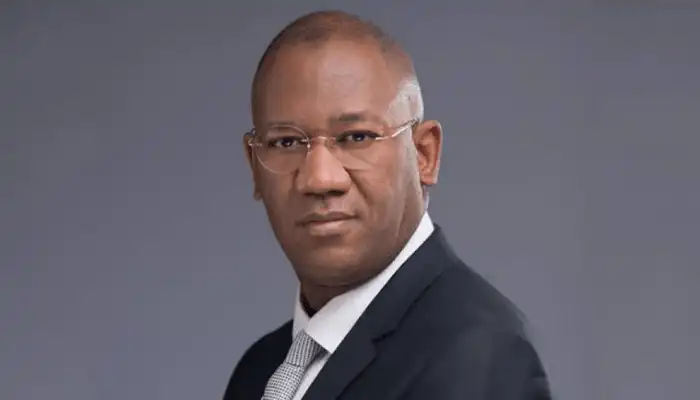
Among those seeking Lamido’s counsel was Dr. Isa Ali Ibrahim Pantami, the PDP governorship candidate for Gombe State and former Minister of Communications. Pantami praised the elder statesman for his unwavering commitment to truth telling and his steadfast advocacy for the masses. The visit, according to Pantami, was intended to secure fatherly guidance and support as the candidates navigate an increasingly complex political landscape. He described Lamido as the kind of leader Nigeria desperately needs, someone willing to speak truth to power regardless of the personal or political costs involved.
Lamido’s intervention comes at a critical juncture in Nigerian politics, where campaign strategies have historically relied heavily on character assassination, ethnic appeals, and inflammatory rhetoric. His call for issue based politics reflects a growing recognition among some party elders that such tactics ultimately undermine democratic institutions and distract from governance challenges. If candidates focus their campaigns on concrete policy platforms addressing security, education, and economic opportunity, voters would be better equipped to make informed choices about Nigeria’s future direction.
Whether Lamido’s message will resonate beyond the gathering in Bamaina remains to be seen. Nigerian elections have long been characterized by heated personal rivalries and bitter exces that often overshadow substantive debate. Yet as the 2027 election cycle approaches, there are signs that segments of the electorate, particularly younger voters and civil society groups, are demanding more from their political class. If candidates heed calls like Lamido’s and commit to campaigns focused on solutions rather than smears, Nigeria might witness a transformative electoral contest that genuinely advances the national conversation about development, security, and prosperity for all citizens.










Leave a comment